
If you are looking for the best things to do in Park Slope, Brooklyn, you have found the right guide. Park Slope sits alongside the western edge of Prospect Park. It is one of New York City’s most loved neighbourhoods and offers a way of experiencing Brooklyn that feels rooted, unhurried, and genuinely local. Tree-lined streets of Victorian brownstones, an excellent stretch of independent cafés and restaurants, a proper farmers’ market on Saturday mornings, and one of the great green spaces in any American city — Park Slope rewards visitors who take their time with it.
This guide covers everything you need to know: the best things to do, where to eat and drink, how to get there, and what makes Park Slope worth an afternoon — or an entire day.
What Makes Park Slope Special
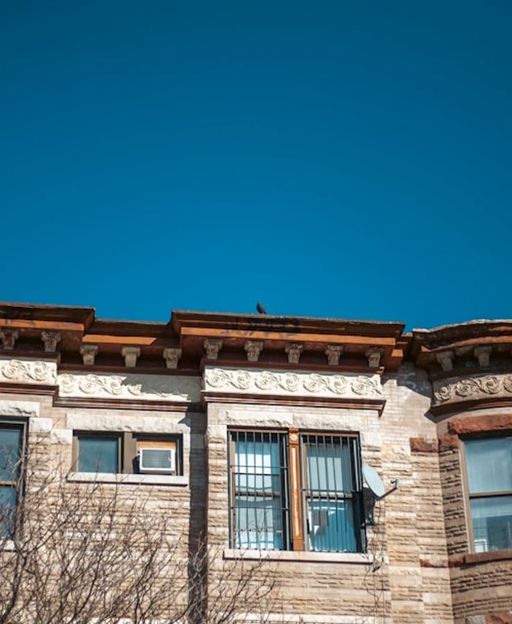
Park Slope takes its name from the gentle rise that runs westward from Prospect Park. Developers built the neighbourhood primarily during the 1880s and 1890s, when wealthy Brooklynites commissioned brownstone townhouses along tree-shaded streets. The community has preserved that Victorian character with remarkable care. The Park Slope Historic District, which the National Register of Historic Places recognises, covers hundreds of handsome row houses. Walking through the core of the neighbourhood still feels much as it must have in 1895.
Unlike some of Brooklyn’s trendier districts, Park Slope does not feel performatively hip. It attracts a mix of families, long-time residents, academics, and newcomers, giving it an everyday livability that visitors often find more appealing than they expected. The neighbourhood’s two main commercial streets — 5th Avenue and 7th Avenue — run north to south through the slope. Together they offer everything from sandwich shops to celebrated restaurants, independent bookshops to yoga studios.
Best Things to Do in Park Slope
Explore Prospect Park
No visit to Park Slope is complete without time in Prospect Park. Frederick Law Olmsted and Calvert Vaux — the same partnership that created Central Park — designed Prospect Park across 526 acres. It contains the only remaining forest in Brooklyn. Olmsted and Vaux started this project after finishing Central Park. Many landscape architects consider it the stronger work of the two.
Enter from the Prospect Park West entrance at the top of the slope. You step almost immediately into woodland. The Long Meadow runs the length of the park’s western side. On sunny weekends, Brooklynites come here to play football, fly kites, and gather for picnics. The Boathouse beside the lake hosts free kayaking in summer months. The Prospect Park Zoo is compact but well run and excellent for children.
Grand Army Plaza and the Saturday Greenmarket
At the northern tip of Prospect Park stands Grand Army Plaza. A triumphal arch called the Soldiers’ and Sailors’ Arch anchors this sweeping traffic circle. Builders raised it to honour Union veterans of the Civil War. Its design echoes the Arc de Triomphe in Paris. The plaza’s fountain, formal gardens, and views down Flatbush Avenue give it a grandeur that surprises many first-time visitors.
Every Saturday morning, the Grand Army Plaza Greenmarket fills the plaza with stalls. Farms from across the north-eastern United States bring fresh produce, baked goods, cheese, honey, and plants. This ranks among the largest and best-regarded farmers’ markets in New York City. Arrive early — by 10am the crowds can be thick — and expect to spend more time browsing than you planned.
Walk the Brownstone Streets
The streets that run between Prospect Park West and 8th Avenue — Carroll Street, President Street, Berkeley Place, Lincoln Place — hold some of the finest brownstone architecture in New York City. Even a few blocks on any of these tree-shaded streets is genuinely beautiful. Look for carved stone details above doorways, original wrought-iron railings on the stoops, and the range of brownstone shades from pale ochre to deep chocolate.
Strong community preservation efforts have kept the historic district largely intact. For architecture lovers, these streets offer one of the most rewarding walking routes in all of Brooklyn. The experience compares favourably to Brooklyn Heights but draws far fewer tourists.
The Brooklyn Museum and Brooklyn Botanic Garden
A short walk east from Grand Army Plaza brings you to two major cultural institutions. The Brooklyn Museum holds one of the largest art collections in the United States. Its galleries span ancient Egyptian artefacts through to contemporary American art. The feminist art collection — including Judy Chicago’s The Dinner Party — draws visitors from around the world. On the first Saturday evening of each month, admission is pay-what-you-wish.
Next door, the Brooklyn Botanic Garden covers 52 acres of themed spaces. These include the Japanese Hill-and-Pond Garden, North America’s oldest Japanese-style garden open to the public. Every spring the Cherry Esplanade draws huge crowds. The Rose Garden peaks in late June. A modest admission fee applies, but the gardens offer a quieter, more contemplative alternative to Prospect Park.
7th Avenue: The Neighbourhood’s Main Street
If Park Slope has a main street, it is 7th Avenue. Running from Flatbush Avenue down to 9th Street, this avenue holds cafés, wine bars, restaurants, bookshops, and small independent businesses. On weekend mornings the pavements fill with brunch-seekers, parents with pushchairs, and residents running errands.
The Community Bookstore on 7th Avenue is an excellent independent shop. Staff actually read the books they sell, and the curation shows. You will want to browse for longer than you plan. These kinds of bookshops feel essential to a neighbourhood’s identity — and Park Slope has managed to keep several of them.
5th Avenue: Food, Art, and a Different Energy
Where 7th Avenue feels leafy and residential, 5th Avenue carries a slightly grittier energy — busier, more varied, and arguably more interesting for eating and drinking. Between Union Street and 9th Street you find some of Park Slope’s best independent restaurants, vintage and antiques shops, and street-food vendors on warmer days.
5th Avenue also marks the transition into adjacent neighbourhoods. Head south and you move toward Gowanus and Windsor Terrace. Head north and you reach Boerum Hill and Cobble Hill. Both directions offer good walking for curious visitors.
Where to Eat and Drink in Park Slope
Park Slope has an outstanding restaurant scene for a residential neighbourhood. Locals support these restaurants, not tourists, so the quality tends to be high and the atmosphere unpretentious.
Fonda on 7th Avenue serves Mexican food that draws diners from well outside the neighbourhood. The enchiladas and margaritas are excellent and prices stay reasonable. Al di Là, an Italian trattoria on 5th Avenue, has served the neighbourhood since 1998. It remains one of Brooklyn’s best mid-range Italian restaurants. Two Boots on the corner of 7th Avenue and Union Street serves reliably good New York pizza with Louisiana-inspired toppings.
For coffee, Gorilla Coffee on 5th Avenue was one of Brooklyn’s original specialty roasters and it remains excellent. On 7th Avenue, Connecticut Muffin is the kind of lived-in café where locals spend entire mornings with a laptop and a flat white. For an evening drink, Union Hall on Union Street is a must. This sprawling bar has working bocce courts, a library-like upstairs room, and a basement music venue that hosts intimate gigs most weekends.
Park Slope for Families
Park Slope earns a strong reputation as one of New York City’s most family-friendly neighbourhoods. Visiting New York City with children can feel overwhelming in central Manhattan. Park Slope offers a gentler base. Prospect Park’s playgrounds are excellent and well-maintained. The Prospect Park Zoo is small enough to manage comfortably in a morning. The neighbourhood’s streets are comparatively calm.
The Brooklyn Children’s Museum, a short trip on the C train to Crown Heights, was the world’s first museum for children. It remains one of the best. The Brooklyn Museum runs good family programmes on weekend afternoons. The Brooklyn Botanic Garden gives small children plenty of space to explore freely — and parents a genuinely beautiful place to spend a couple of hours.
Getting to Park Slope
Park Slope is easy to reach from Manhattan and most parts of Brooklyn. The F and G trains stop at 4th Avenue/9th Street and at 7th Avenue, putting you directly on the main commercial streets. The 2 and 3 trains stop at Grand Army Plaza — perfect if you head first to the park or the greenmarket. The B and Q trains stop at 7th Avenue via Flatbush Avenue.
From Midtown Manhattan, the journey takes around 25 minutes. Citi Bike docking stations are plentiful along 8th and 9th Avenues. The Prospect Park loop road is car-free most of the time, making cycling a genuine pleasure.
Park Slope pairs naturally with a wider Brooklyn itinerary. See our full Brooklyn guide for ideas across the borough. For a structured three-day New York visit, our 3 Days in New York City itinerary shows how to fit Park Slope into a broader trip.
Frequently Asked Questions About Park Slope, Brooklyn
How do I get to Park Slope from Manhattan?
Take the F or G train to 7th Avenue station, or the 2 or 3 train to Grand Army Plaza. The journey takes around 25 minutes from Midtown Manhattan. Citi Bike also works well if you cycle from DUMBO or Brooklyn Bridge.
What is Park Slope best known for?
Park Slope is best known for its Victorian brownstone architecture, Prospect Park, the Grand Army Plaza Greenmarket, and its excellent independent restaurant and café scene. It consistently ranks among the most liveable neighbourhoods in New York City.
Is Park Slope worth visiting for tourists?
Yes — especially for visitors who want to experience an authentic, residential side of Brooklyn away from the most photographed tourist spots. Prospect Park, the Brooklyn Museum, and the Saturday greenmarket each justify the trip on their own. The brownstone streets are among the finest in the city.
What is the best time to visit Park Slope?
Park Slope shines most in spring and autumn, when the tree-lined streets are at their most atmospheric and Prospect Park is either flowering or turning colour. Summer weekends are lively, particularly around the greenmarket and the Long Meadow. Winter is quieter but the neighbourhood stays warm and sociable, and the brownstones look especially fine under snow.
Join 1,000+ New York Lovers
Every week, get New York’s hidden gems, local secrets, and travel inspiration — the kind you won’t find in any guidebook.
Subscribe free — enter your email:
Love more? Join 64,000 Ireland lovers → · Join 43,000 Scotland lovers → · Join 30,000 Italy lovers →
Free forever · One email per week · Unsubscribe anytime
