
New York has no shortage of chain coffee shops and big-box bookstores. But if you want something worth traveling across the city for — a proper independent bookshop with character, and a coffee shop that roasts its own beans — you need to know which neighborhoods to head to. Some are obvious. Others are overlooked. All of them reward the effort.
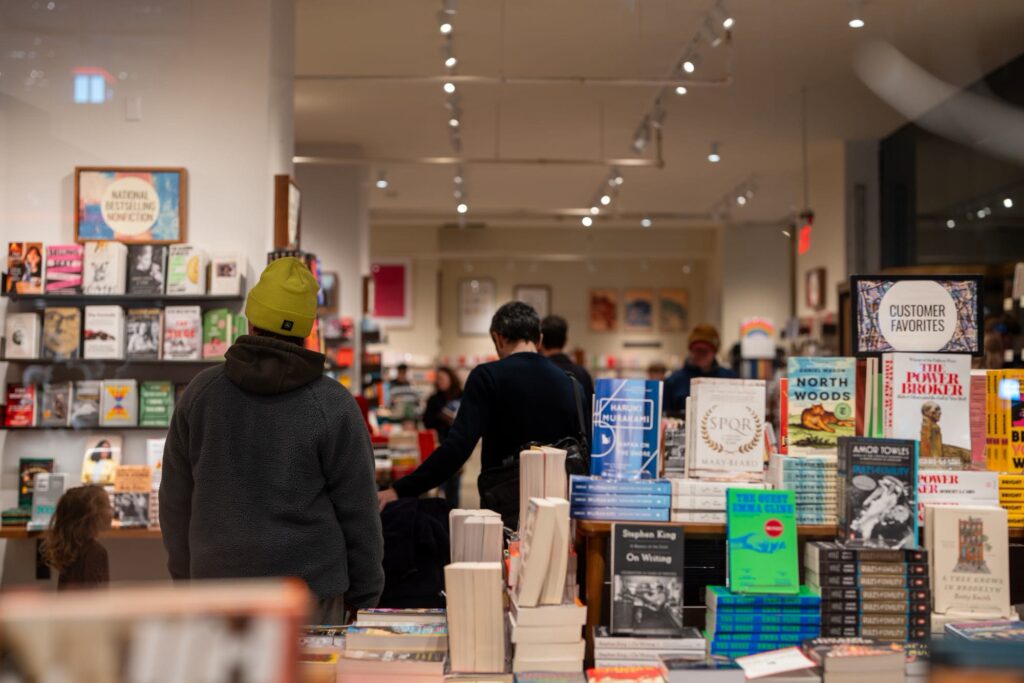
This guide covers five neighborhoods that consistently deliver on both fronts: good books, good coffee, and enough of each that you can spend an entire afternoon without retracing your steps.
Love New York? Get our free weekly newsletter — local recommendations, hidden spots, and stories from across the five boroughs. Subscribe here →
The West Village
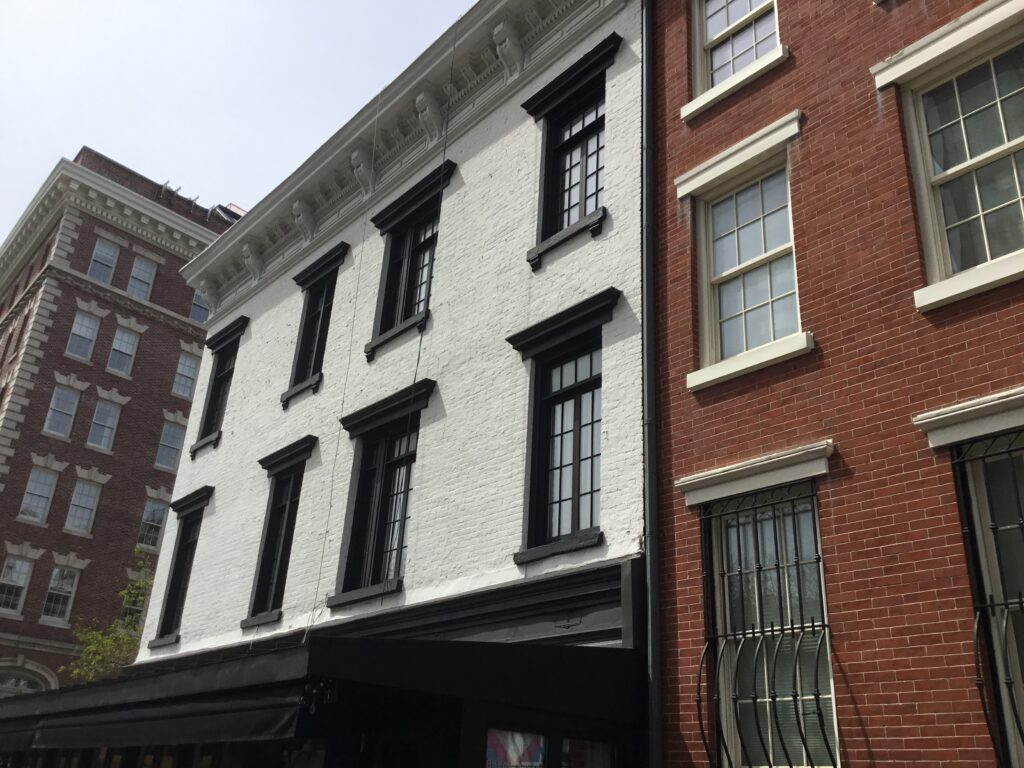
The West Village is the obvious starting point. Three Lives & Company at 154 West 10th Street is a small, much-loved independent, and it shows no signs of changing what works. It stocks a focused, well-curated selection across fiction, poetry, and non-fiction — the staff read what they recommend, and the layout is small enough that you can cover it properly in twenty minutes or browse for two hours without meaning to. See its website for current opening hours.
For coffee, Partners Coffee, a Brooklyn roaster, has a West Village café that does strong espresso-based drinks without the fuss. Stumptown Coffee at 30 West 8th Street, a short walk east in Greenwich Village, is another reliable option, serving beans from its own roastery. The West Village also has enough small cafés that you can usually find somewhere quiet on a weekday morning.
The neighborhood is expensive and it can get busy on weekends, but the streets are pleasant to walk — narrow, tree-lined, and mostly free of through traffic. If you’re doing one neighborhood for books and coffee, this is the one most people point to first, and for good reason.
Park Slope, Brooklyn
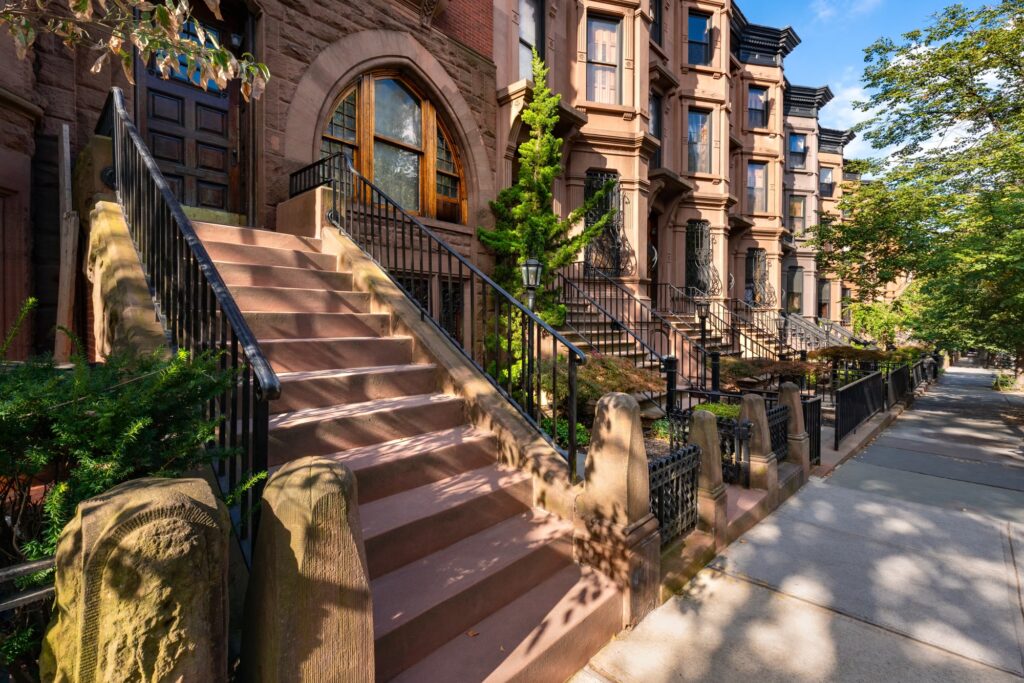
Park Slope (see our Park Slope guide) is a neighborhood of readers. Community Bookstore on 7th Avenue has been a neighborhood institution for decades. It’s well-stocked across all the main categories, runs regular author events, and is very good at recommending books for children as well as adults. One change to know about: powerHouse on 8th, the art and photography bookshop on 8th Avenue, has closed its Park Slope store; its owners say on their website that the shop is being reborn in Manhattan, and their Dumbo store, POWERHOUSE Arena, is a short subway ride away (checked October 2026).
The coffee situation in Park Slope is equally solid. Gorilla Coffee, an independent Brooklyn coffee shop and micro-roastery, pours from its café on Bergen Street at the north end of the neighborhood, close to Flatbush Avenue.
Park Slope is also an easy base if you want to combine your visit with Prospect Park, which sits directly alongside the neighborhood. The combination of the park, the bookshop, and the coffee makes it one of the more complete half-day destinations in Brooklyn.
More New York recommendations every week. Our newsletter covers the five boroughs — from Brooklyn coffee roasters to Manhattan bookshops. It’s free. Sign up here →
Williamsburg, Brooklyn
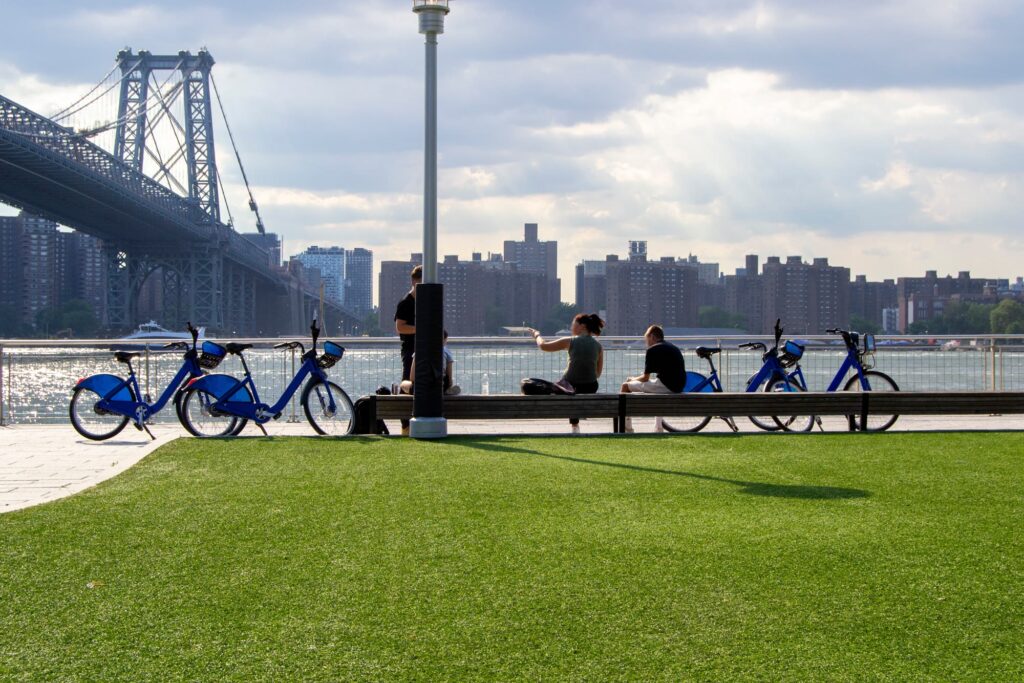
Williamsburg (more in our Williamsburg guide) gets a mixed reputation, but for books and coffee it remains one of the stronger neighborhoods in the city. Spoonbill Books (long known as Spoonbill & Sugartown) at 218 Bedford Avenue is the standout bookshop — it focuses on art, culture, and critical theory, and stocks an unusual range of titles alongside a good selection of used books. If you’re interested in design, architecture, or visual culture, it’s worth the trip on its own.
For coffee, Williamsburg has a high concentration of independent roasters. Oslo Coffee Roasters opened its flagship at 133 Roebling Street in 2002 and has a second, smaller shop on Bedford Avenue. Variety Coffee, which roasts in Brooklyn, has a Williamsburg café at 368 Graham Avenue.
The neighborhood is best on weekday afternoons when the weekend crowds thin out. Bedford Avenue is the main strip, but some of the better spots are on the side streets — worth wandering if you have time.
The Upper West Side
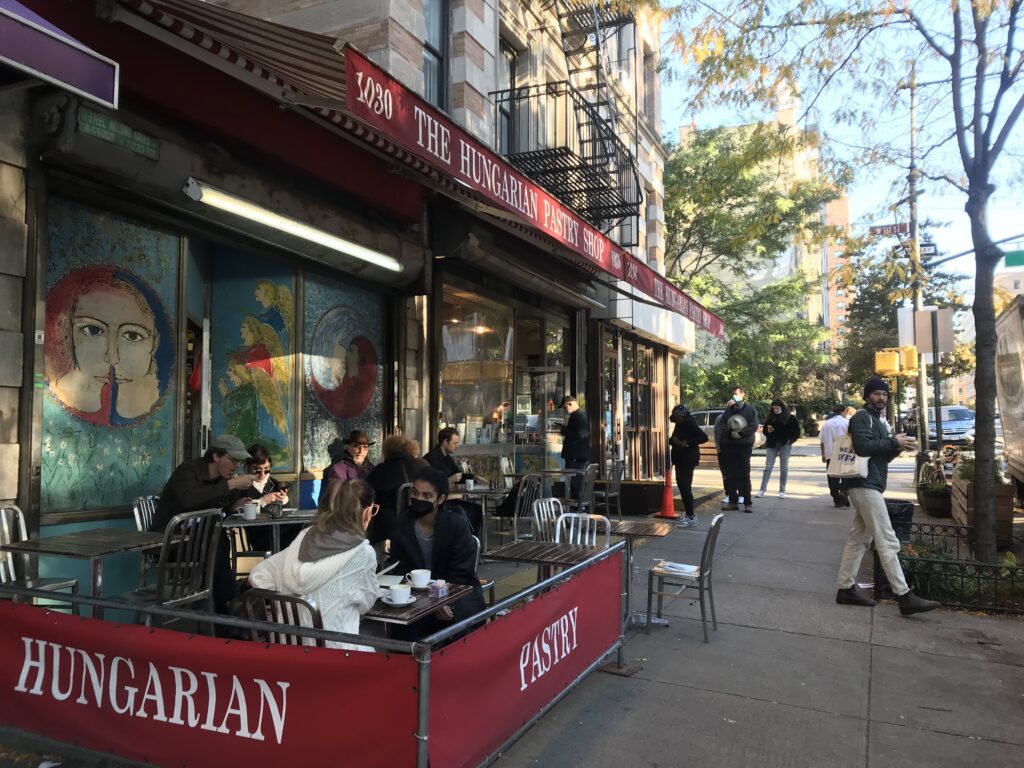
The Upper West Side (see our Upper West Side guide) and its northern neighbor Morningside Heights make a strong claim as Manhattan’s most literary corner. Book Culture has stores near Columbia University and on Columbus Avenue, and both are well-stocked general bookshops with a serious approach to curation. The Columbia-area branch benefits from its neighbors and tends to have a good range of academic and specialist titles alongside mainstream fiction.
The Hungarian Pastry Shop at 1030 Amsterdam Avenue, at 111th Street, is one of the more distinctive coffee stops in the city. It opened in 1961, sits across the street from the Cathedral of St. John the Divine, and still has no Wi-Fi — which, depending on your outlook, is either a flaw or the entire point. The coffee is straightforward, the pastries are good, and the crowd is mostly Columbia students, academics, and regulars who have been coming for years. Its wall of books by authors who wrote there tells you everything about the place.
The Upper West Side as a whole is walkable, and Central Park is close enough that you can combine a visit to the bookshops with an hour in the park without any particular effort.
Astoria, Queens
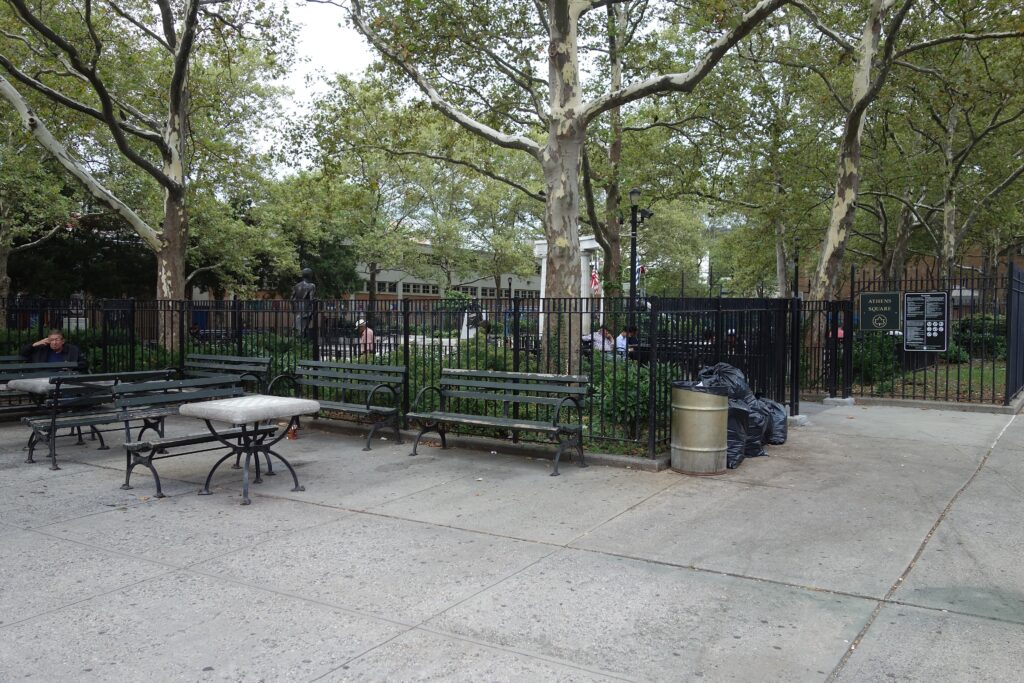
Astoria (more in our Astoria guide) doesn’t appear on most bookshop-and-coffee itineraries, which is exactly why it’s worth including. The neighborhood has a strong independent business culture and a dense enough population of long-term residents that good independent shops have managed to survive and stay open.
Astoria Bookshop at 36-19 30th Street is the main event — a well-run independent that covers all the main categories, runs regular events, and has a strong children’s section. It’s the kind of local bookshop that cities struggle to sustain, and it’s been doing it well for years. For coffee, walk about ten minutes north up 30th Street to 30th Avenue, where the Greek cafés around Athens Square Park have been serving strong coffee and pastries to the neighborhood for generations.
Astoria is about 25 minutes from Midtown on the N or W train, which puts it well within range of a half-day visit from central Manhattan. The main drag on Steinway Street has good food options if you want to make a full afternoon of it.
A Few Practical Notes
Most of these bookshops have their own event calendars and run regular author readings, book clubs, and signings. If you’re planning a visit, it’s worth checking their websites in advance — the events are often free and can add something to an otherwise straightforward afternoon of browsing.
Opening hours vary more than you’d expect, and several of the smaller coffee shops close in the afternoon. If you’re planning an early start or an evening visit, check each shop’s website (linked above) for current hours before you go.
If you’re combining multiple neighborhoods in one day, the West Village to Park Slope is a manageable trip via the F train. The Upper West Side to Astoria is doable but requires some patience with the subway. Williamsburg is best treated as its own half-day destination rather than a stop between other things.
Never miss a New York recommendation. Our weekly newsletter goes out every Friday with local tips, neighborhood guides, and the best of what’s on. Subscribe for free →
New York has a reputation for being hard on independent businesses, and that reputation isn’t entirely wrong. But the bookshops and coffee shops listed here have all survived long enough to suggest they’re doing something right. The best way to support them is straightforward: go in, buy something, and come back.
