
For decades, visitors have stopped on Mulberry Street in Manhattan, taken photos of the red-white-and-green bunting, and called it Little Italy.
But Italian New Yorkers know the truth. The real Little Italy sits a few miles north, in the Bronx. The neighbourhood is called Belmont. Arthur Avenue runs through its heart. The same families have kept the same shops open for a century.
If you have Italian roots in New York, this is where your story may have begun.
If you love New York’s hidden stories, you’ll love our free weekly newsletter. Subscribe to Love New York →
The Great Migration North: Why Italians Chose the Bronx
Between 1880 and 1924, more than four million Italians entered the United States. Most arrived through Ellis Island. Most settled first in Manhattan — in the crowded tenements of the Lower East Side and around Mulberry Street.
But Manhattan was expensive and overcrowded. As the Bronx developed in the late 1890s and early 1900s, Italian families moved north.
The Belmont neighbourhood drew them for good reasons. The New York Botanical Garden and the Bronx Zoo both opened in the 1890s nearby. Construction on both projects brought thousands of Italian labourers to the area. Many stayed.
By 1910, Belmont was home to tens of thousands of Italian immigrants. Most came from southern Italy — Calabria, Sicily, Campania, Naples. They brought their dialects, their food traditions, their Catholic faith, and their fierce loyalty to their home regions.
They built a community they intended to keep.
Arthur Avenue: The Street That Never Gave Up
Walk down Arthur Avenue today and you feel the difference immediately.
This is not a tourist street. The men behind the counter at the butcher shops actually speak Italian. The woman slicing prosciutto at the deli learned from her father. The baker who pulls bread from the oven at five in the morning is the third generation of his family to do it.
The Arthur Avenue Retail Market opened in 1940. Mayor Fiorello La Guardia wanted to move street vendors off the pavements. He built an indoor market at 2344 Arthur Avenue instead. Today it still operates, home to more than a dozen vendors selling cheese, cured meats, fresh pasta, and olives.
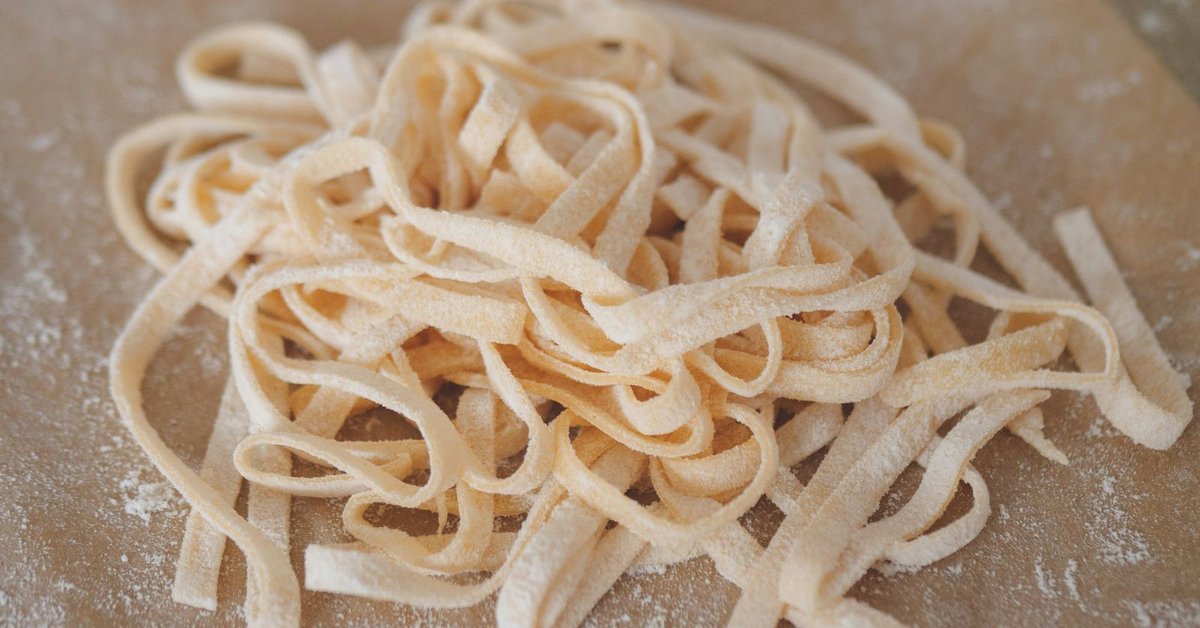
A few steps away, Borgatti’s Ravioli and Egg Noodles has made fresh pasta at 632 East 187th Street since 1935. The founder, Mario Borgatti, arrived from Ferrara in the early twentieth century. His family still runs the shop.
Teitel Brothers has run an importing business at 2372 Arthur Avenue since 1915. They bring in Italian cheeses, olive oils, and vinegars. The shop looks almost exactly as it did in the 1950s.
Addeo Bakery has baked bread on Arthur Avenue since the 1920s. You can smell it from half a block away.
These are not reconstructions or heritage projects. They are working businesses run by Italian-American families who never left.
Arthur Avenue has a direct parallel in Manhattan’s older settlement. If you want to understand how Belmont connects to earlier Italian New York, read our guide to Little Italy, Manhattan.
Our Lady of Mount Carmel: The Heart of Belmont
Every Italian immigrant neighbourhood built its church first.
In Belmont, that church was Our Lady of Mount Carmel, founded in 1906 at 627 East 187th Street. The congregation drew southern Italian immigrants who brought devotion to the Madonna with them from their home regions.
The church became the centre of community life. Weddings, baptisms, and funerals all passed through its doors. Mutual aid societies met in its halls. The feast days connected Belmont to the old country in a visceral, annual rhythm.
The biggest event remains the Feast of Our Lady of Mount Carmel, held each July. The festival has run continuously since 1907. Families from across the New York area come back to Belmont every year for it.
The feast draws tens of thousands of visitors. It fills the streets with processions, music, and food stalls. For Italian-Americans with roots in the neighbourhood, it is a homecoming.
Why Belmont Survived When Manhattan’s Little Italy Did Not
Manhattan’s Little Italy once stretched from Canal Street to Houston. In 1900, more than 20,000 Italian immigrants lived in those blocks.
Over the following decades, the neighbourhood shrank. Chinatown expanded northward. Italian families prospered and moved to the suburbs. By the 2000s, Manhattan’s Little Italy had contracted to a single tourist-facing strip on Mulberry Street. Fewer than a thousand actual Italian-Americans still live there.
Belmont followed a different path.
Some families did leave for Westchester, New Jersey, and Long Island. But a core stayed. They stayed because their community institutions — the church, the market, the butcher, the baker — were still there. They stayed because Arthur Avenue still felt like Arthur Avenue.
Today around 30,000 Italian-Americans live in the Belmont area. The neighbourhood faces the pressures every urban community faces. But it has held.
The strength lies in what the original immigrants built. They built institutions, not just addresses. Institutions outlast individuals.
Want more stories like this? Our weekly newsletter goes deeper into New York’s heritage every week. It’s free. Subscribe here →
What Life Looked Like in Belmont in the Early Twentieth Century
Imagine arriving in New York in 1905. You came from a village in Calabria or Sicily. You spoke only Italian. You had almost no money.
You found relatives or paesani in Belmont. They helped you find a room, then a job. Construction, the garment trade, and small businesses all employed Italian immigrants. Hours were long and wages were low.
Your apartment was small — three or four rooms for a family of six or more. The tenement buildings along East 187th Street and the surrounding blocks held dozens of families. Women often took in piecework from garment factories. Many kept boarders to supplement the family income.
The feast days broke the daily grind. Through music, food, and prayer, they connected you to the life you had left behind.
Your children attended the parish school. They learned English faster than you did. The second generation was American, though it spoke Italian at home and Italian in the market.
The third generation often moved away. But many came back, at least for the feast. And some never left at all.
Italian immigrant workers also shaped the city in other ways. The labour movement drew heavily from Italian communities across New York. For a striking chapter in that history, read about the Triangle Shirtwaist Factory fire and the immigrant women who changed New York’s labour laws.
Tracing Your Italian Bronx Ancestry
If your family came through Belmont, several resources can help you trace them.
Ellis Island passenger records are searchable at the Statue of Liberty–Ellis Island Foundation website. Records run from 1892 to 1957. You can search by surname, birth year, and country of origin. Many Italian immigrants modified their surnames slightly on arrival.
The New York City Department of Records holds vital records — births, marriages, and deaths — from 1866 onwards. The Municipal Archives at 31 Chambers Street accepts in-person and online requests.
Ancestry.com and FamilySearch both hold digitised Italian parish records and civil registration data going back to the 1800s. If your ancestor came from a specific commune in Calabria or Sicily, you can often find their original birth records in Italian civil registration archives.
Our Lady of Mount Carmel Church holds baptismal, marriage, and burial records from 1906. Contact the parish directly for research enquiries.
The key detail to establish first is your ancestor’s village of origin in Italy. Once you have that, the Italian records open up significantly. For a full guide, read How to Trace Your New York City Ancestry.
Where to Visit in Belmont Today
Arthur Avenue Retail Market — 2344 Arthur Avenue, Bronx. Open Monday to Saturday.
Borgatti’s Ravioli and Egg Noodles — 632 East 187th Street. Family-run pasta shop since 1935. Open Tuesday to Saturday.
Teitel Brothers — 2372 Arthur Avenue. Italian imported food since 1915. Open daily except Sunday.
Addeo Bakery — Two locations on Arthur Avenue. Bread, rolls, and traditional Italian baked goods since the 1920s.
Our Lady of Mount Carmel Church — 627 East 187th Street. Mass times on the church website. The interior dates from 1906 and is worth seeing for the architecture alone.
Getting there: Take the Metro-North Harlem Line to Fordham station, or the B or D subway train to Fordham Road. Arthur Avenue is about a ten-minute walk from both.
Many visitors pair Belmont with a trip to Manhattan’s Little Italy on the same day. Together they show two very different outcomes for the same immigrant generation.
Frequently Asked Questions
What is Belmont in the Bronx known for?
Belmont is New York’s most authentic Italian-American neighbourhood, centred on Arthur Avenue. It has served as the heart of the city’s Italian community since Southern Italian immigrants settled there in the early 1900s. Family-owned shops, a working indoor market, and an active parish church all still operate as they have for over a century.
How is Belmont different from Manhattan’s Little Italy?
Manhattan’s Little Italy shrank dramatically from the mid-twentieth century onwards. It now covers only a few tourist-facing blocks on Mulberry Street. Belmont has maintained a genuine Italian-American community, with family-run businesses, a working market, and a parish church that still serves the neighbourhood it was built for.
When did Italian immigrants first settle in the Bronx?
Italian immigrants began settling in Belmont from the late 1890s, with the largest waves arriving between 1900 and 1924. Construction work on the New York Botanical Garden and Bronx Zoo brought many early Italian workers to the area, and many chose to stay.
Is Arthur Avenue worth visiting for heritage tourists?
Yes. Arthur Avenue is one of the most authentic food and heritage streets in New York City. Family-run businesses tracing back to the early twentieth century still operate there. The Arthur Avenue Retail Market, founded in 1940, remains the commercial and social heart of the street.
How can I trace Italian ancestors from the Bronx?
Start with Ellis Island passenger records online, then check New York City vital records at the Municipal Archives. Our Lady of Mount Carmel Church holds parish records from 1906. Once you establish your ancestor’s village of origin in Italy, Italian civil registration archives often hold detailed records going back to the 1800s.
Ready to explore the New York your ancestors knew? Subscribe to Love New York — free weekly stories, heritage guides, and hidden history. Join us →
