
The American Museum of Natural History sits at 200 Central Park West on Manhattan’s Upper West Side, across from Central Park. Take the B or C train to 81st Street–Museum of Natural History, or the 1 train to 79th Street, and walk to the park-facing entrance. Hours, ticket types and exhibit closures change, so check the museum’s official website on the day you go.
This guide shows you how to reach the museum, which entrance to use, what to see first and how to pace a long day. We kept it practical. We left out ticket prices and opening hours because the museum changes both, and we want you to read the current numbers from the source.
Why the American Museum of Natural History Is Worth a Visit
New York’s natural history museum is one of the largest in the world. According to Wikipedia’s museum entry, it holds about 32 million specimens across 45 permanent exhibition halls and 21 interconnected buildings. Those figures come from a public reference page, so treat them as a guide to scale rather than an exact count.
The museum is also old. Governor John Thompson Hoffman signed its founding legislation on April 6, 1869. The collection first opened to the public in Central Park’s Arsenal in 1871, and it moved into its first purpose-built building in December 1877. Visitors have walked these halls for well over a century.
If you plan a wider museum trip, our guide to the best museums in New York City compares the main options. For a neighborhood day, pair the museum with our Upper West Side guide.
Plan Your Visit to the American Museum of Natural History
Getting There by Subway and Bus
The subway is the easiest way to arrive. The B and C trains stop at 81st Street–Museum of Natural History. The 1 train stops at 79th Street, a short walk west of the building. Several city buses also run along Central Park West and the nearby crosstown streets.
Walking from the park is another good option. You can cross Central Park on foot and arrive at the museum’s park-facing side. Our Central Park guide to quiet spots suggests places to rest before or after your visit.
Which Entrance to Use
The grand entrance faces Central Park West. It leads into the Theodore Roosevelt Memorial Hall, the New York State memorial to the 26th president. John Russell Pope completed the hall in 1936, and it now works as the main ticketing lobby. Expect high ceilings, large murals and a steady crowd.
Other entrances serve different parts of the museum, including the newer Columbus Avenue side. Entrances and lines change through the day and the year. The museum’s website lists the current options, so choose your door before you leave your hotel.
Tickets, Hours and Accessibility
The museum’s official website lists current hours, ticket types and any special exhibitions that cost extra. Buy tickets in advance when you can, because lines at busy times can run long. If you need step-free routes, quiet hours or sensory-friendly options, look for the accessibility pages before you go and plan your route around them.
Read with New York lovers every week →
Join the free Love New York newsletter for neighborhood secrets and quiet corners the guidebooks skip.
What to See at the American Museum of Natural History
The Richard Gilder Center
The Richard Gilder Center for Science, Education, and Innovation opened on May 4, 2023. It occupies the Columbus Avenue side of the campus, and Studio Gang designed it. Its curving, cave-like passages make it one of the most photographed interiors in the city.
The center also links several older buildings, so it helps you move around the campus. Use it as a shortcut between sections rather than treating it as a separate stop. Check the museum’s website for the exhibits and experiences it currently offers inside.
Akeley Hall of African Mammals
Carl Akeley’s hall opened in 1936. It is a two-story room with 28 dioramas and a central herd of eight African elephants. The painted backgrounds and carefully arranged habitat scenes show how museums once taught people about distant landscapes. Visitors who enjoy craft, history or wildlife photography often spend longer here than they planned.
The Rose Center for Earth and Space
The Rose Center opened in 2000. It brings astronomy into the museum with a glass cube that stands out from the older stone buildings. It makes a clear contrast with the Victorian-style halls, and it gives you a reason to look at the building’s different eras as you walk.
The Dinosaur Halls
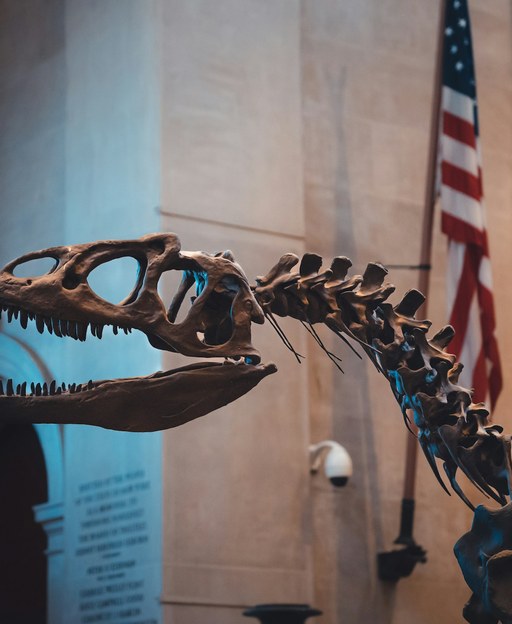
The museum put its first major dinosaur hall on display in February 1905, and dinosaurs have drawn crowds ever since. Families usually head straight here. Go early or late in the day if you want more room to look. Check the official site for which halls are open, because renovations can close sections without much notice.
How to Spend Your Time
You cannot see everything in one day. With 45 halls, trying to do so ends in tired feet and little memory. Pick three or four areas, then leave time for a long lunch and a rest in the park.
Here is a simple plan for a first visit:
- Start with the Theodore Roosevelt Memorial Hall and take a few minutes to look at its architecture.
- Walk to the dinosaur halls while you still have energy.
- Visit Akeley Hall of African Mammals for a slower, quieter pace.
- Finish in the Gilder Center, where the curved passages make a calm end to the day.
Traveling with children? Our family guide to New York City explains how to pace a day with younger visitors. The museum also suits a wet afternoon, so keep it in mind alongside our rainy day activities in New York City.
Tips for a Better Visit
Wear comfortable shoes. The museum is large, and you will walk more than you expect. Travel light, and check the museum’s website for its current bag and security rules. Eat before the busiest lunch hour or step outside to a neighborhood café.
Take breaks. The campus has plenty of benches and open floor space. If a hall feels crowded, move on and return later. A flexible plan beats a rigid one in a building this size.
Respect the exhibits and other visitors. Check the museum’s photography rules before you go, and keep flash off near displays.
Frequently Asked Questions
Where is the American Museum of Natural History?
It sits at 200 Central Park West on Manhattan’s Upper West Side, across from Central Park. The B and C trains stop at 81st Street–Museum of Natural History, and the 1 train stops at 79th Street.
How long should I spend at the American Museum of Natural History?
Plan at least three to four hours for a focused visit, and more if you travel with children. With 45 halls, choose a few priorities instead of trying to see everything.
When did the Richard Gilder Center open?
The Gilder Center opened on May 4, 2023. It stands on the Columbus Avenue side of the museum and links several older buildings.
Is the American Museum of Natural History good for a rainy day?
Yes. The museum is indoors and large enough to fill an afternoon. Check the official site for current hours and for any halls that are closed that day.
Join 1,000+ New York Lovers
Every week, get New York’s lesser-known corners, neighborhood stories and local secrets, straight to your inbox.
Subscribe free — enter your email:
Free forever · One email per week · Unsubscribe anytime
