
In the 1920s, if you walked through Harlem on a Saturday night, you’d hear it before you saw it — music pouring from second-floor windows, voices carrying above the street, the smell of fried chicken drifting down brownstone stoops. You weren’t outside a nightclub. You were outside someone’s apartment. Someone who desperately needed to make rent by Monday.
The Crisis That Created a Party
Harlem in the 1920s was a city within a city. The Great Migration had brought hundreds of thousands of Black Americans north, many fleeing the Jim Crow South for the promise of something better.
They found work, community, and culture. But they also found landlords who charged them double what white tenants paid for the same apartments — sometimes triple. When rent day arrived and the money wasn’t there, eviction came fast.
Families learned to get creative. The solution was almost embarrassingly simple: throw a party. Charge admission at the door. Sell food and bootleg liquor. Hire a pianist. By midnight, the rent was paid.
A Ticket for Two Bits
The system worked through hand-lettered cards — bright paper printed days before the event, tacked to telephone poles and passed along hand to hand. “A social whist party given by [name], 147 West 140th Street. Saturday night, March 9th, 1929. Refreshments served. Donation: 25 cents.”
Twenty-five cents got you in. Inside, furniture had been shoved against the walls. A piano player sat in the corner. The kitchen ran hot all night — pig feet, fried chicken, corn whiskey sold from mason jars.
Couples danced so close the floor shook. Neighbors two floors up didn’t complain. They came down and joined in.
The Piano Genius in the Corner
Here’s where history turns. To attract dancers — and therefore money — you needed the best piano player you could find. And in Harlem in the 1920s, the best piano players were extraordinary.
Fats Waller played rent parties. James P. Johnson played rent parties. A young Duke Ellington played rent parties before he became Duke Ellington. Willie “The Lion” Smith, Count Basie, Luckey Roberts — almost every jazz giant of the era earned early money at these Saturday-night gatherings in brownstone apartments.
The style they developed there — stride piano, a left hand that walked the bass while the right improvised freely — was born partly from necessity. One piano. No full band. Maximum groove. Rent due by Monday.
Enjoying this? Join New York lovers getting stories like this every week. Subscribe free →
What a Rent Party Actually Felt Like
What made these gatherings extraordinary wasn’t just the music. It was the mix.
These weren’t ticketed events with velvet ropes or uptown cover charges. They were open to anyone willing to pay at the door. Writers and dockworkers danced together. Poets and postal workers argued over music in the kitchen. Langston Hughes wrote about them. Zora Neale Hurston attended them regularly, calling them one of the most authentic expressions of Harlem life.
At clubs like the Cotton Club, Black performers played for white audiences behind a rope line. At rent parties, everyone was there for the same reason — the music, the food, the release of a hard week, the warmth of a community pulling itself together.
This history matters. The Prohibition era that drove alcohol underground also pushed music into private homes — and rent parties thrived in that underground world, shaping a sound that would eventually fill every jazz club on the planet.
The Legacy That Outlasted the Parties
The rent party tradition peaked in the late 1920s and faded through the Depression years, when even twenty-five cents was hard to spare. But what it left behind was immeasurable.
The stride piano style refined in those crowded apartments became a cornerstone of jazz. The informal, community-driven gathering — people coming together for music and mutual survival — echoed forward into the Bronx block parties of the 1970s that gave birth to hip-hop. New York has a long, unbroken tradition of turning survival into art.
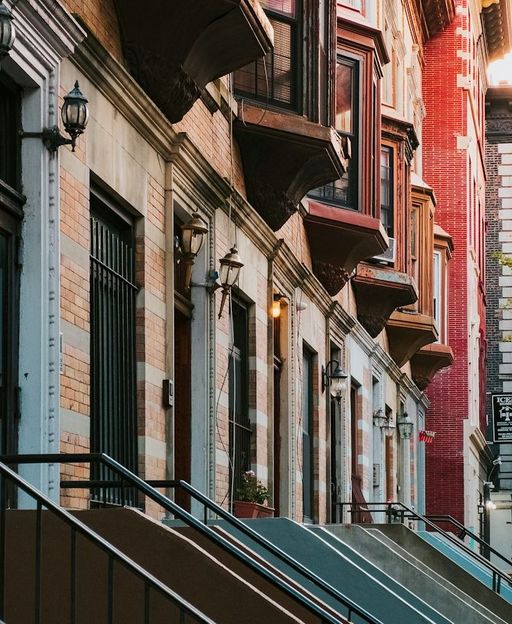
Today you can walk the streets of Harlem and stand in front of brownstones that almost certainly hosted a rent party in 1926. The buildings are still there. The stoops look the same. On warm evenings, music still finds its way out of open windows.
Visiting Harlem Today
Harlem is one of New York’s most rewarding neighborhoods to explore on foot. The stretch of 125th Street remains the cultural heart, but the residential blocks north and south — particularly around 130th to 145th Street — still carry the architectural character of the rent party era.
The National Jazz Museum in Harlem, on 126th Street, documents this history in detail and runs regular live programming. Gospel services at Harlem’s historic churches offer a different but equally powerful experience of the neighborhood’s musical soul.
For a broader guide to experiencing New York on any budget, our complete guide to free things to do in NYC covers Harlem’s streets, markets, and music among its top picks.
What were Harlem rent parties?
Harlem rent parties were informal gatherings held in apartment homes during the 1920s and 1930s. Families struggling to pay rent would throw a party, charge admission at the door, sell food and drink, and hire a pianist — using the proceeds to cover their monthly rent. They became one of the most important incubators of American jazz.
When did Harlem rent parties take place?
Rent parties were most common during the 1920s and early 1930s, peaking during the Harlem Renaissance. They typically happened on weekend nights — Friday through Sunday — when workers had time to gather and spend a few coins on music and food.
What musicians played at Harlem rent parties?
Some of the greatest names in jazz history played rent parties early in their careers, including Fats Waller, Duke Ellington, James P. Johnson, Count Basie, and Willie “The Lion” Smith. The competitive, high-energy atmosphere helped develop the stride piano style that defined early jazz and still echoes in American music today.
Can you visit Harlem to experience its jazz history?
Yes. The National Jazz Museum in Harlem on 126th Street offers exhibits and programming that document the rent party era. Walking the residential blocks between 125th and 145th Street gives you a feel for the brownstone streetscapes where these extraordinary gatherings took place.
You Might Also Enjoy
- The Bronx Block Party That Gave the World Hip-Hop — another New York community music story that changed everything
- Why the Law That Was Supposed to Close New York’s Bars Opened 30,000 More — the Prohibition story that reshaped the city’s nightlife forever
- The Theater Street That Made Millions Laugh, Cry, and Argue in Yiddish — the story of another neighborhood culture that shaped America
Plan Your New York Trip
Ready to explore New York? Our 5-day New York City itinerary covers the neighborhoods, hidden gems, and cultural stops that make this city unlike anywhere else on earth.
Join 1,100+ New York Lovers
Every weekday morning, get New York’s hidden gems, neighbourhood stories, food origins, and city secrets — straight to your inbox.
Subscribe free — enter your email:
Love more? Join 65,000 Ireland lovers → · Join 43,000 Scotland lovers →
Free forever · Unsubscribe anytime

Subscribe Free