
SoHo New York City is one of the most rewarding neighbourhoods to explore on foot. Cobblestone streets, cast iron façades, independent galleries, world-class restaurants and an energy that shifts from morning market rush to golden-hour stroll — it is all here, packed into roughly a dozen blocks of Lower Manhattan. Whether you are planning a weekend in the city or building a longer itinerary, SoHo earns a full half-day of your time.
What Makes SoHo New York City Special
The name SoHo stands for South of Houston Street (pronounced HOW-ston by every New Yorker). The neighbourhood runs roughly from Houston Street in the north to Canal Street in the south, and from West Broadway in the west to Lafayette Street in the east. It is a compact area, but every block feels layered with history and character.
SoHo was a manufacturing district in the 19th century. Factories needed wide floors and plenty of light, which is why the cast iron buildings here have such enormous windows. When industry moved out in the mid-20th century, artists moved in. The low rents attracted painters, sculptors and photographers who turned loft spaces into studios. By the 1970s, SoHo was the centre of the contemporary art world in New York City. By the 1990s, the galleries had largely moved north to Chelsea, but the architecture and the neighbourhood’s creative spirit stayed.
The Cast Iron Architecture
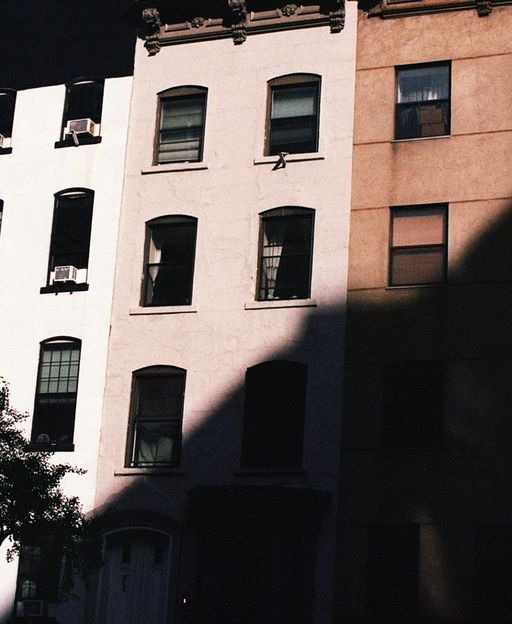
SoHo contains the largest collection of cast iron architecture in the world. Look up as you walk — the ornate columns, arched windows and decorative ironwork were all mass-produced in the 1860s and 1870s. Buildings could go up fast and look grand at a fraction of the cost of stone.
The Haughwout Building at 488 Broadway is a good place to start. Built in 1857, it was the first building in New York to have a passenger lift. The façade is a rhythm of Venetian arches repeated across five storeys — stand back and count them. The New Era Building on Broadway, the Singer Building remnants on Prince Street, and the full stretch of Greene Street are all worth taking your time over.
Cobblestone Streets
The cobblestones on Greene Street and Wooster Street are original Belgian blocks, laid in the 1800s. They were designed to give horses better grip than mud. Today they slow you down in a good way — wear comfortable shoes, look at the architecture rather than your phone, and notice the details.
Greene Street between Grand and Canal is considered the finest block of cast iron architecture in New York. The “Queen of Greene Street” at 28–30 Greene has an especially ornate Second Empire mansard roof. The “King of Greene Street” at 72–76 Greene is the boldest building on the block. This short walk is one of the great free things to do in the city — no ticket required, just your eyes and a bit of curiosity. For more no-cost highlights around the city, see our guide to free things to do in New York City.
Top Things to Do in SoHo New York City
Art Galleries Worth Visiting
SoHo still has art galleries, even if the major commercial names have moved to Chelsea. The Drawing Center on Wooster Street focuses on works on paper and has an excellent programme of emerging artists. The Leslie-Lohman Museum of Art on Wooster is the first accredited museum dedicated to queer art in the United States — it is free to enter and runs thoughtful, serious exhibitions.
Walk along Mercer Street and you will pass several smaller independent galleries. Many do not advertise heavily. If the door is open, go in. Gallery staff in New York are generally welcoming to anyone who looks genuinely curious.
Love New York? Get More Every Week.
Hidden gems, local secrets and travel stories — straight to your inbox, free.
Shopping in SoHo
SoHo is one of New York City’s main shopping destinations, but it suits a particular kind of shopper. This is not a mall. The best of SoHo is the independent boutiques, the design stores and the brands that you will not find in every other city.
Broadway between Houston and Canal has the highest concentration of shops, ranging from global flagships to small independent labels. Prince Street and Spring Street are good for slower browsing — the streets are a little quieter and the shops reward curiosity. Kirna Zabête on Greene Street is a good example of a SoHo institution: a fashion boutique that has been curating interesting pieces since 1999. McNally Jackson on Prince Street is an independent bookshop worth stepping into even if you are not buying.
Sunday is the busiest day in SoHo by some distance. If you prefer elbow room, come on a weekday morning — the light is better for architecture photography, and the streets are calm enough to hear your own footsteps on the cobblestones.
Food and Coffee in SoHo
The restaurants in SoHo lean towards the excellent and the expensive. Budget well for lunch or dinner here. That said, there are very good value options if you know where to look.
Balthazar on Spring Street is the grand old room of SoHo dining — a French brasserie that opened in 1997 and still pulls in everyone from local artists to visiting tourists. Go for breakfast or a late lunch when it is slightly less frenetic. The bread and pastries from the Balthazar Bakery next door are worth grabbing for the road.
For something less formal, the stretch of Spring Street and Thompson Street has plenty of choice. Café Gitane on Mott Street (technically in neighbouring NoLIta, but a two-minute walk) is a beloved New York institution — Moroccan-French café food, good coffee and a terrace in warmer months. Saturday morning queues begin early.
SoHo’s Neighbouring Quarters: NoLIta, Little Italy and Tribeca
SoHo sits in a dense cluster of interesting neighbourhoods, and the boundaries between them are loose. Walk east from SoHo and you enter NoLIta — North of Little Italy. This small, characterful area has some of New York’s best independent restaurants and coffee spots. The streets are narrower and quieter than SoHo proper, and the vibe is slightly more residential.
Continue east a few more blocks and you reach Mulberry Street, the spine of Little Italy. The neighbourhood is smaller than it once was — the Italian-American community largely moved to other boroughs over the decades — but the history runs deep and the restaurants and cafés on Mulberry Street maintain the tradition.
Walk south from SoHo across Canal Street and you enter Tribeca — Triangle Below Canal. This neighbourhood has some of the most expensive real estate in Manhattan, and the atmosphere reflects that. Wide streets, converted warehouse buildings and very good restaurants. The Tribeca Film Festival happens here each spring, drawing filmmakers and cinephiles from across the country.
Spending a morning in SoHo and then walking south to Tribeca or east to NoLIta and Little Italy makes for an excellent half-day with no transport needed. This is one of the most walkable corners of Manhattan. If you are building a longer visit, our guide to 3 days in New York City will help you fit it all in. You may also find our guide to the best neighbourhoods in New York City useful for planning which areas to prioritise.
Practical Tips for Visiting SoHo
Getting to SoHo
SoHo is well served by subway. The C and E trains stop at Spring Street, putting you directly in the heart of the neighbourhood. The N, Q, R and W trains stop at Prince Street and Canal Street. The 6 train stops at Spring Street on the east side, which is useful if you are coming from Midtown East.
If you are walking from Lower Manhattan or the Financial District, SoHo is about 15 to 20 minutes on foot. From Greenwich Village, cross Houston Street heading south — you will know you are in SoHo when the cobblestones start. For general subway and transport advice, see our New York City travel tips.
Best Time to Visit
Spring (April and May) and autumn (September and October) are the best times to walk SoHo. The temperatures are comfortable, the light is good and the cobblestone streets are at their most atmospheric. Summer brings heavy foot traffic on weekends and can feel oppressively hot on the narrow streets. Winter is quiet but the cast iron architecture looks especially striking against a clear blue winter sky.
How Long to Spend in SoHo
Allow at least three hours if you want to walk the main streets, look at the architecture properly, have a coffee and browse a few shops. A half-day (four to five hours including lunch) is better. SoHo rewards slow walking — the neighbourhood punishes visitors who rush it. There is no single landmark to “tick off”. The whole neighbourhood is the experience.
Frequently Asked Questions About SoHo New York City
What is SoHo New York City known for?
SoHo New York City is famous for its cast iron architecture, cobblestone streets and history as an artist community. Today it is also one of Manhattan’s main shopping and dining destinations, with independent boutiques, international flagship stores and excellent restaurants.
How do I get to SoHo from Midtown Manhattan?
Take the C or E train from 50th Street or 42nd Street-Port Authority to Spring Street, which puts you in the middle of SoHo. The journey takes around 15 minutes. Alternatively, the N, Q or R train from Times Square to Prince Street is equally quick.
Is SoHo worth visiting for tourists?
Yes — SoHo New York City is one of the most architecturally distinctive neighbourhoods in Manhattan and offers a very different experience from Midtown. The cast iron buildings, art galleries, independent shops and walkable streets make it a highlight of any New York visit.
What are the best streets to walk in SoHo?
Greene Street is the most architecturally impressive — walk the full stretch between Houston and Canal Street. Wooster Street is quieter and lined with galleries. Prince Street connects SoHo to NoLIta and has good cafés and independent shops. West Broadway is the widest and busiest street, useful for getting your bearings.
Join 1,000+ New York Lovers
Every weekday morning, get New York’s hidden gems, local secrets, and travel inspiration — the kind you won’t find in any guidebook.
Subscribe free — enter your email:
Love more? Join 64,000 Ireland lovers → · Join 43,000 Scotland lovers → · Join 30,000 Italy lovers →
Free forever · Unsubscribe anytime

Subscribe Free