
3 Days in New York City: The Perfect First-Timer’s Itinerary
Three days in New York City is enough to fall completely in love with the place — and to barely scratch the surface. That tension is part of the magic. This guide is built around one goal: helping you spend 3 days in New York City in a way that feels real, not rushed. You’ll cover the big moments, find the quieter ones, and leave with a list of reasons to come back.
Before You Go: What to Know
New York rewards those who come prepared. The city is enormous, but most first-time visitors stay within a compact corridor: Midtown, Lower Manhattan, and Brooklyn. Getting between these areas is quick and affordable using the subway. A 7-Day Unlimited MetroCard costs around $34 and pays for itself on day one.
Book museum tickets in advance wherever possible. The American Museum of Natural History, the Metropolitan Museum of Art, and the 9/11 Memorial Museum all run timed entry. Queuing on the day wastes hours you could spend eating a bagel in Central Park.
New York is walkable in ways that surprise people. Manhattan is narrow and long. If you’re heading north or south, the subway is your friend. East or west? Walk — most crossings take five minutes.
Day One: Manhattan — Icons and Energy
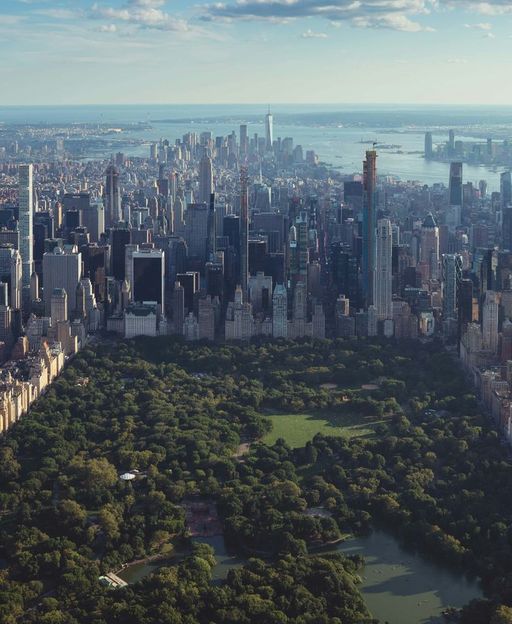
Start your 3 days in New York City at the place that puts the whole city in perspective: Central Park. Enter at 59th Street and walk north. You’ll cross stone bridges, pass the famous Bethesda Fountain, and stumble on corners that feel miles from the city outside. The park covers 840 acres, but even a 45-minute walk through the southern end sets the right tone for the day.
The park hides more than most visitors realise. If you want to go deeper, our guide to the hidden corners of Central Park covers the spots that even regular visitors miss.
The Upper West Side and Midtown
After the park, head down to Midtown. The pace changes immediately. The grid tightens, the buildings get taller, and the sidewalks fill up. Walk west along 42nd Street to Times Square. It’s loud and commercial and completely unlike the rest of New York — but it’s Times Square. Stand in the middle for five minutes, then keep moving.
From Times Square, it’s a 10-minute walk to Grand Central Terminal. Step inside and look up. The turquoise ceiling in the Main Concourse is painted with 2,500 stars. Most people walk through without stopping. Don’t be most people.
Lunch is easy in Midtown. Head to the Urbanspace Vanderbilt food hall on 45th Street for tacos, ramen, and wood-fired pizza in a basement that feels nothing like the tourist zone above it.
Lower Manhattan in the Afternoon
Take the subway downtown to the Financial District. Walk to the 9/11 Memorial and spend time at the reflecting pools. They sit in the exact footprints of the Twin Towers. The names carved along the edges tell a story that no photograph fully captures.
From there, walk 10 minutes to the Staten Island Ferry terminal at Whitehall Street. The ferry is free and runs every 30 minutes. The return trip takes about 45 minutes in total and gives you one of the best views of the Statue of Liberty and the Lower Manhattan skyline — at no cost. You don’t even need to disembark on Staten Island.
End the day in the East Village or the Lower East Side. Both neighbourhoods are dense with restaurants, bars, and a street energy that feels genuinely local. Try a classic deli for dinner — the pastrami on rye at Katz’s Delicatessen on Houston Street has been a New York institution since 1888.
Want to know what else is free in the city? Our complete guide to free things to do in NYC covers more than most visitors ever discover.
Want more ideas like these delivered to your inbox every week? Subscribe free to our New York newsletter — hidden gems, local secrets, and travel inspiration every week.
Day Two: Brooklyn — The Other New York
Brooklyn is not a suburb of Manhattan. It’s its own city — with its own food scene, its own culture, and its own way of moving through the world. Give it a full day and it will change how you think about New York.
DUMBO and the Brooklyn Bridge
Start in DUMBO — Down Under the Manhattan Bridge Overpass. It’s a short subway ride from Manhattan. Walk to Washington Street, stand between the Manhattan Bridge archway, and you’ll find one of the most photographed views in the city. Get there before 9am and you’ll have it almost to yourself.
From DUMBO, walk across the Brooklyn Bridge. The pedestrian walkway sits above the traffic. The walk takes about 30 to 40 minutes. You’ll arrive in Lower Manhattan — or you can turn around halfway and head back to Brooklyn. Either way, the views from the middle are extraordinary.
Brooklyn Heights and Park Slope
After the bridge, walk back into Brooklyn and up to Brooklyn Heights. The Promenade runs along the waterfront for about a third of a mile. It looks directly across at the Manhattan skyline. Locals walk their dogs here. Tourists stop and stare. Both are completely understandable.
For lunch, head south to Park Slope. Smith Street and Seventh Avenue are lined with neighbourhood restaurants that have nothing to prove. The food is excellent. The crowds are manageable. The pace is slower than anywhere you’ve been so far.
Williamsburg for the Evening
End the Brooklyn day in Williamsburg. Take the subway one stop up the L train. Bedford Avenue is the main drag — packed with independent shops, street art, and people watching. The food scene here is genuinely world-class. Try one of the rooftop bars along the waterfront for a drink with the Manhattan skyline behind you as the sun goes down.
New York’s food culture runs deep everywhere, but Brooklyn has its own distinct flavour. Our full New York City food guide covers what to eat and where to find it across every borough.
Day Three: Museums, Greenwich Village, and the High Line
Your last day should slow down. You’ve done the skyline, crossed the bridge, and eaten your way through Brooklyn. Now it’s time to go deeper into a few places rather than racing through more of them.
A World-Class Museum Morning
The Metropolitan Museum of Art on Fifth Avenue is one of the largest and most important art collections on the planet. It holds over two million objects across 5,000 years of human history. You could spend a week here. Give it two to three hours and be selective — pick two or three wings and see them properly rather than sprinting through everything.
Alternatively, the American Museum of Natural History is a short walk across Central Park on the Upper West Side. It’s brilliant for all ages. The Rose Center for Earth and Space alone justifies the entrance fee.
Greenwich Village After Lunch
Head downtown to Greenwich Village. This neighbourhood has fed more of New York’s creative culture than almost anywhere else in the city. Walk along Bleecker Street. Stop at Washington Square Park. Watch the chess players, the street performers, and the students from NYU who treat the park as an extension of their campus.
The side streets around Bleecker and West 4th are some of the most beautiful in Manhattan. Brick townhouses, original ironwork, and restaurants that have been here for 40 years — Greenwich Village has held onto itself in a way that much of New York has not.
The High Line to Chelsea
Walk or subway to the Meatpacking District and access the High Line at Gansevoort Street. This elevated park runs for about 1.45 miles above the streets of Chelsea on what was once a freight railway. It’s one of the best urban walks in the world — planted gardens, public art, and views across the Hudson River and into the streets below.
The High Line ends near 34th Street at Hudson Yards, home to the Vessel — a honeycomb of staircases you can climb for views across the west side of Manhattan. End your trip at a restaurant in Chelsea. The neighbourhood has one of the highest concentrations of quality restaurants in the city, at every price point.
If you want to do even more, our 5-day New York City itinerary covers the full extended version — including day trips to Queens, the Bronx, and further into Brooklyn.
Practical Tips for 3 Days in New York City
Getting around is straightforward once you understand the basics. The subway runs 24 hours. Most visitor routes use the 4/5/6 (East Side), the A/C/E (West Side), and the L (to Brooklyn). A tap-to-pay card works on all services — no need to buy a MetroCard if you have a contactless bank card.
Tipping is not optional in New York. At sit-down restaurants, 18% to 20% is standard. Taxi drivers and hotel staff expect tips too. Budget for this — it adds up over three days.
Food costs vary enormously. A slice of pizza from a counter costs $3 to $4. A bowl of noodles in Flushing runs under $10. A sit-down dinner in a mid-range restaurant runs $40 to $70 per person with drinks. If you eat one cheap meal a day and one proper sit-down meal, three days in New York is affordable without sacrificing quality.
The best neighbourhoods for staying as a visitor include Midtown (convenient), the Upper West Side (calmer, close to Central Park), and Williamsburg (hip, connected, slightly cheaper). Our guide to the best neighbourhoods in New York City for visitors covers each area in detail.
Frequently Asked Questions About 3 Days in New York City
Is 3 days in New York City enough to see the main highlights?
Three days in New York City is enough to cover the essential highlights — Central Park, the Brooklyn Bridge, Lower Manhattan, a world-class museum, and key neighbourhoods like Williamsburg and Greenwich Village. You won’t see everything, but you’ll return with a genuine feel for the city rather than a blurry checklist of rushed sights.
What is the best time to visit New York City?
The best times to visit New York City are late spring (April to early June) and autumn (September to November). Temperatures are comfortable, the parks are beautiful, and the city is at its most vibrant. Summer brings heat and humidity but also rooftop bars and outdoor festivals. Winter is cold but magical, especially in December when the city puts on its best lights.
How do I get from JFK to Manhattan?
The quickest and cheapest way to get from JFK to Manhattan is the AirTrain to Jamaica Station, then the Long Island Rail Road or subway into Midtown. The total journey takes around 60 to 75 minutes and costs under $15. Taxis and rideshares are convenient but cost $50 to $80 or more depending on traffic and your final destination.
Is Brooklyn worth visiting for tourists?
Brooklyn is absolutely worth visiting for tourists — it’s not just worth visiting, it’s essential. The Brooklyn Bridge, DUMBO, the Brooklyn Heights Promenade, Williamsburg, and Park Slope together offer a completely different New York experience from Manhattan. Many visitors say Brooklyn was their favourite part of the trip.
Join 1,000+ New York Lovers
Every weekday morning, get New York’s hidden gems, local secrets, and travel inspiration — the kind you won’t find in any guidebook.
Subscribe free — enter your email:
Love more? Join 64,000 Ireland lovers → · Join 43,000 Scotland lovers → · Join 30,000 Italy lovers →
Free forever · Unsubscribe anytime

Subscribe Free