
Washington Heights sits at the northern tip of Manhattan. It is one of New York City’s most layered neighbourhoods. Two immigrant waves shaped it in two very different centuries. Each wave fled hardship. Each wave built something lasting. If New York City has a soul, Washington Heights holds a piece of it.
If you love New York’s hidden stories, you’ll love our free weekly newsletter. Subscribe to Love New York →
A Neighbourhood with Two Distinct Chapters
Most New Yorkers know Washington Heights as a Dominican neighbourhood. The music spills onto the street. The bodegas stay open late. Mothers call from windows in Spanish. It is loud, warm, and unmistakably alive.
But go back eight decades and this same neighbourhood had a different language. It had a different flag in the window. German was spoken on Broadway. The shops sold sausages and dark bread. The synagogues were full on Friday nights.
Washington Heights is one of the few places in New York where two immigrant eras can be traced on the same block. Both arrived with almost nothing. Both built everything.
The German Jewish Refugees: A Neighbourhood Born of Flight
In the late 1930s, thousands of Jewish families fled Germany and Austria. They were doctors, lawyers, academics, and musicians. They left behind professions, homes, and libraries. They escaped with their lives.
New York took them in. The Upper West Side and Washington Heights became the main landing points. Washington Heights was cheaper than the Upper West Side. The pre-war apartment buildings were solid. The streets were wide. The elevated subway made it easy to reach Midtown.
By 1941, Washington Heights had more German-speaking Jews than almost any other place outside Germany itself. Locals nicknamed the neighbourhood “Frankfurt on the Hudson.” The joke spread. The name stuck.
These were not poor immigrants in the traditional sense. Many were educated professionals. But they arrived stripped of credentials. A German medical degree meant nothing in New York. A law degree in Berlin had no value on Broadway. They had to start over at forty, fifty, sixty years old.
The community rebuilt with fierce determination. Delicatessens opened on every block. German-language newspapers circulated. The Jewish Centre of Washington Heights became a cornerstone of community life. Children learned English in the public schools on weekdays. They spoke German at home every night.
One resident who passed through this world was Henry Kissinger. His family arrived from Fürth, Bavaria in 1938. He grew up in Washington Heights. He walked those streets as a teenage refugee. The neighbourhood shaped him before Harvard and the White House ever did.
Yeshiva University, founded nearby in 1886, became a hub for the community. The university’s museum today holds artefacts from this era. The German Jewish presence in Washington Heights peaked in the 1940s and slowly dispersed as families prospered and moved to the suburbs in the 1950s and 1960s.
But they left their mark on the streets. Some of the buildings they lived in still stand. The Audubon Ballroom on 165th Street, where the community held its events, still exists. It is a reminder of lives rebuilt from nothing.
The Dominican Wave: Building a Capital in Exile
As the German Jewish families moved out, new families moved in. They came from the Dominican Republic. They came from the 1960s onwards. Political upheaval and economic hardship drove them north.
The assassination of dictator Rafael Trujillo in 1961 changed the Dominican Republic. The chaos that followed sent tens of thousands of Dominicans abroad. New York City was the obvious destination. Washington Heights was the affordable neighbourhood with available housing.
By 1980, Washington Heights was a Dominican neighbourhood. By 1990, it was the beating heart of the Dominican diaspora. More Dominicans live in New York City than in any city in the Dominican Republic except Santo Domingo itself. Many of them live or have roots in Washington Heights.
The neighbourhood became known as “Quisqueya Heights.” Quisqueya is a Taino word for the island of Hispaniola. Using it here is a declaration. This is not just a neighbourhood in Manhattan. It is a homeland in exile.
Want more stories like this? Our weekly newsletter goes deeper into New York’s heritage every week. It’s free. Subscribe here →
Life in Washington Heights in the 1970s and 1980s was not easy. The neighbourhood suffered through New York City’s fiscal crisis. Businesses closed. Buildings went dark. Drugs devastated the streets. The community faced pressures that would have broken a less determined people.
It did not break. It organised.
Community groups formed on every block. The Dominican community built bodegas, restaurants, and salons. They created their own economy within the neighbourhood. When the city could not help, they helped each other.
The food became a point of pride. Mangu, the mashed plantain dish eaten at breakfast, became a symbol. You can find it in dozens of restaurants on Broadway. So can chicharrones, fried pork skin. So can sancocho, a rich stew that takes most of a day to cook.
Music defined the streets. Merengue poured from car windows. Bachata played in the salons. The neighbourhood was loud. It was intentionally loud. The music was a claim on the street. It said: we are here. We are not going anywhere.
What You Can Still Find Today
Washington Heights rewards the curious visitor. It is not polished. It is not a museum. It is a living neighbourhood. That is exactly what makes it worth visiting.
The George Washington Bridge anchors the northern end of the neighbourhood. The bridge opened in 1931. Walking its pedestrian path gives you views of the Hudson River that no tourist brochure can capture. The Little Red Lighthouse sits directly beneath it. The lighthouse is free to visit and oddly moving.
Fort Tryon Park runs along the western edge of the neighbourhood. It is a proper park, with paths through woodland and views across the Hudson to New Jersey. The Heather Garden in spring is extraordinary. Few visitors outside Washington Heights know it exists.
The Cloisters sits inside Fort Tryon Park. It is a branch of the Metropolitan Museum of Art. The building is constructed from actual medieval European monastery cloisters. Inside, you will find medieval art and tapestries in a setting unlike anything else in New York. It is one of the most underrated museums in the city.
The Audubon Ballroom on West 165th Street is a landmark for two reasons. It was a centre of the German Jewish social life in the 1940s. Then, in February 1965, it became the site of Malcolm X’s assassination. Today it is part of Columbia University. A plaque marks what happened there.
Bennett Park occupies the highest natural point in Manhattan. It stands at 265 feet above sea level. A marker shows where a Revolutionary War fort once stood. The Battle of Fort Washington was fought here in November 1776. George Washington’s forces lost and retreated. The British occupied Manhattan for seven years.
Broadway in Washington Heights is a different Broadway from the one tourists know. Here it is lined with bodegas, barbershops, and restaurants. The signs are in Spanish. The smell of roasting meat and fried plantain drifts into the street. This is the arterial road of the Dominican community.
The Immigrant Thread That Connects Two Centuries
Washington Heights teaches a lesson that is easy to miss. The lesson is not about nationality. It is about the immigrant experience itself.
The German Jewish families who arrived in 1938 were terrified and resourceful. They built a community from scratch. They educated their children. They became Americans while keeping their identity. Then they moved on.
The Dominican families who arrived in 1965 were terrified and resourceful. They built a community from scratch. They educated their children. They became Americans while keeping their identity. Many are still there.
The buildings are the same. The subway lines are the same. The river is the same. Only the names on the shop fronts changed.
Other immigrant neighbourhoods in Manhattan tell the same story in different accents. East Harlem was built by Puerto Rican immigrants who arrived in the 1940s and 1950s. Little Italy was carved out by southern Italian immigrants in the 1880s and 1890s. Williamsburg in Brooklyn holds a different chapter of Jewish immigrant life. Each neighbourhood is a different verse of the same poem.
Planning Your Heritage Visit to Washington Heights
Take the A train to 181st Street. It is the simplest approach. The station sits in the heart of the neighbourhood.
Spend the morning in Fort Tryon Park and The Cloisters. The museum opens at 10am. Allow two hours. The medieval tapestries alone are worth the journey.
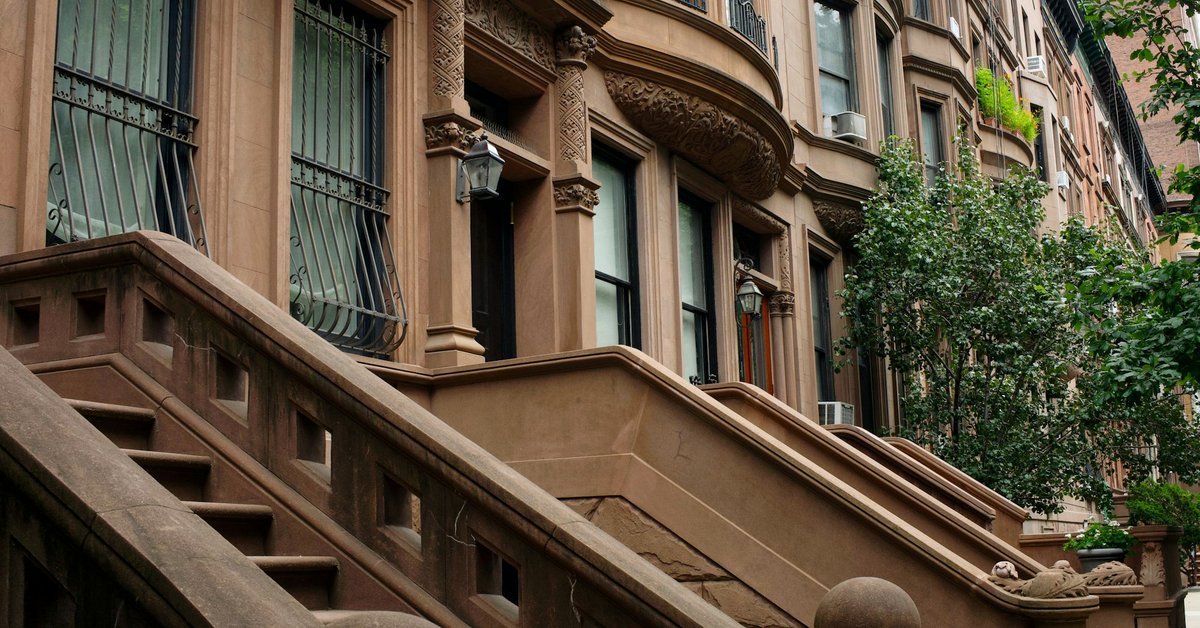
Walk south along Fort Washington Avenue. The architecture here is the pre-war apartment buildings that housed both immigrant communities. Look at the details on the cornices and lobbies. They were built with pride.
Eat lunch on Broadway. Find a Dominican restaurant and order the mangu con los tres golpes — mashed plantain with salami, fried egg, and fried cheese. It is the breakfast of the neighbourhood and costs less than ten dollars.
Visit the Yeshiva University Museum if you want to understand the German Jewish chapter in depth. The museum holds items from the 1940s community. Call ahead to check opening hours.
End at the George Washington Bridge pedestrian walkway. The view of the Hudson from here is one of the finest in New York. It is free. It is uncrowded. Most tourists never make it this far north.
Frequently Asked Questions
When did Dominican immigrants start arriving in Washington Heights?
Dominican immigration to Washington Heights increased significantly from the 1960s onwards, following the assassination of dictator Rafael Trujillo in 1961. By the 1980s, Washington Heights had become the centre of the Dominican community in New York City, with hundreds of thousands of residents of Dominican heritage.
Why was Washington Heights called “Frankfurt on the Hudson”?
The nickname reflected the large community of German Jewish refugees who settled in Washington Heights during the late 1930s and 1940s, many of whom came from Frankfurt and other major German cities. By 1941, the neighbourhood had one of the highest concentrations of German-speaking Jews outside Germany itself, complete with German delicatessens, newspapers, and synagogues.
What is The Cloisters and is it worth visiting?
The Cloisters is a branch of the Metropolitan Museum of Art, located in Fort Tryon Park in Washington Heights. It is built using actual architectural fragments from medieval European monasteries and houses the museum’s collection of medieval art. It is considered one of the most underrated museums in New York City, with a peaceful atmosphere and stunning Hudson River views from its terrace.
How do I get to Washington Heights from Midtown Manhattan?
The A train is the fastest route, taking approximately 25 minutes from 42nd Street to 181st Street. The C train also stops in Washington Heights and offers a slightly slower journey through the neighbourhood. The subway deposit you directly in the heart of the community, with Fort Tryon Park and The Cloisters a short walk away.
What traditional Dominican foods can I try in Washington Heights?
Washington Heights is the best place in New York City to eat authentic Dominican food. Look for mangu (mashed green plantain), sancocho (a thick meat and vegetable stew), chicharrones (fried pork skin), and tostones (twice-fried plantain slices). Dozens of family-run restaurants on Broadway serve these dishes at very modest prices.
Ready to explore the New York your ancestors knew? Subscribe to Love New York — free weekly stories, heritage guides, and hidden history. Join us →
