
In 1910, fewer than 10,000 Black residents called Harlem home. By 1930, more than 200,000 did. That transformation — driven by one of the most significant population movements in American history — gave the world jazz, the Harlem Renaissance, and a neighbourhood that still carries the weight and wonder of that story today.
If you love New York’s hidden stories, you’ll love our free weekly newsletter. Subscribe to Love New York →
The Great Migration: Why They Came
The Great Migration began around 1910. It did not end until 1970. In those six decades, approximately six million African Americans left the American South behind.
They were escaping. Jim Crow laws enforced segregation across every public space. Violence was common and unpunished. Economic opportunities were strangled at every turn. A Black family farming in Georgia or sharecropping in Mississippi faced a future with no way forward.
Northern cities offered factory work, wages, and at least the promise of something different. New York drew more migrants than almost anywhere else. And within New York, they came to Harlem.
The journey was rarely easy. Families saved for months to buy train tickets. They arrived at Penn Station with everything they owned. They moved into blocks of brownstone flats — beautiful buildings that had been abandoned by white residents fleeing further uptown. The rents were high. The landlords knew migrants had limited choices. But they came anyway.
How Harlem Became Black Harlem
Harlem’s transformation began before the Great Migration, through one man’s strategic brilliance.
Philip Payton was a Black real estate agent working in Manhattan in the early 1900s. The Harlem property market had collapsed. White landlords were sitting on empty buildings. Payton convinced several of them to let him fill those buildings with Black tenants, who were desperate for decent housing. They agreed. Payton placed his first tenants on West 134th Street around 1904.
What followed was a quiet revolution. Block by block, Harlem shifted. White residents moved out as Black residents moved in. Churches relocated north. Community organisations followed. By the time the Great Migration’s first wave arrived after World War I, Harlem was ready to receive them.
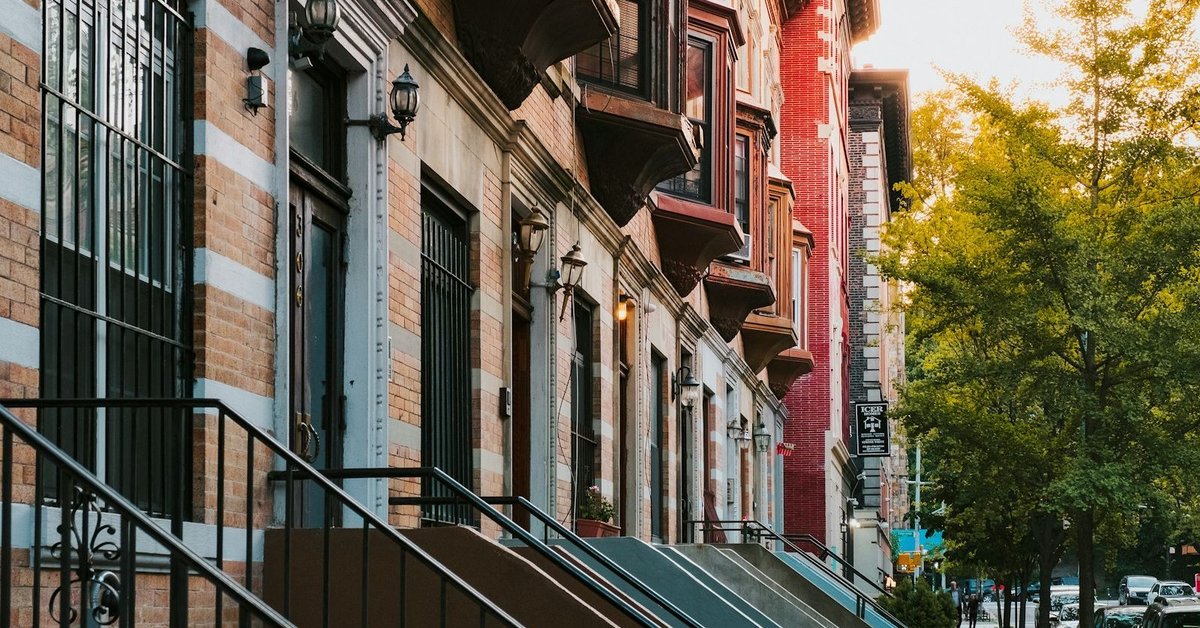
Harlem’s brownstone streets — one of New York City’s most recognisable neighbourhood landscapes — became the backbone of the new community. Families crowded into flats. Extended families shared rooms. The streets buzzed with vendors, preachers, musicians, and organisers.
The Harlem Renaissance: When a Neighbourhood Shook the World
Between roughly 1920 and 1935, Harlem produced a cultural explosion that had no precedent in American history.
Langston Hughes wrote his first great poems here. Zora Neale Hurston gathered folk stories on Lenox Avenue. Duke Ellington led his orchestra at the Cotton Club on 142nd Street. Louis Armstrong played ballrooms that drew thousands. Billie Holiday’s voice came out of late-night clubs and into the American imagination.
The Harlem Renaissance was not only about art. It was a declaration. Black Americans were telling the country — and the world — that they had something to say. That their stories mattered. That their culture was not just survival but creation.
The Savoy Ballroom opened on Lenox Avenue in 1926. It was one of the first major dance venues in New York to welcome Black and white dancers alike on the same floor. Jazz filled the air. The Lindy Hop was born here. On a busy Saturday night, 4,000 people danced under its roof.
Want more stories like this? Our weekly newsletter goes deeper into New York’s heritage every week. It’s free. Subscribe here →
Churches, Clubs, and the Backbone of Community Life
The church was the centre of Harlem life. It was more than a place of worship. It was a community hall, a political forum, and a mutual aid society all at once.
The Abyssinian Baptist Church, founded in 1808, relocated to Harlem in 1923. Under Reverend Adam Clayton Powell Sr., and later his son Adam Clayton Powell Jr., it became one of the most influential Black churches in America. At its peak, it claimed more than 14,000 members. Powell Jr. went on to become the first Black member of New York City Council and later a US Congressman.
Marcus Garvey arrived in Harlem in 1916. He built the Universal Negro Improvement Association (UNIA) into a mass movement with millions of followers across the world. He preached Black pride, economic independence, and a return to Africa. His newspaper, the Negro World, reached readers across the United States and the Caribbean. Liberty Hall on West 138th Street was his headquarters.
The Rent Party was another pillar of community life — and a uniquely Harlem invention. When the rent came due and the wages fell short, families threw parties. They charged a small admission. Neighbours came. Music played. Food was shared. The rent got paid. These gatherings also became incubators for jazz and blues talent — musicians played for tips and exposure.
Sugar Hill and Strivers’ Row: Where Success Made Its Home
Not all of Harlem was working-class tenements. The neighbourhood had its own geography of aspiration.
Sugar Hill occupied the high ground of upper Harlem, between 145th and 155th Streets. Duke Ellington lived here. W.E.B. Du Bois lived here. Thurgood Marshall — who later became the first Black Supreme Court Justice — lived here. The name came from the “sweet life” its residents were said to enjoy.
Strivers’ Row, on 138th and 139th Streets between Seventh and Eighth Avenues, was named for the professional class who lived there — doctors, lawyers, musicians, and businesspeople who had “striven” to reach something better. The handsome brick townhouses were built in the 1890s by architect Stanford White. They remain standing today, still privately occupied, a visible testament to a generation’s ambition.
These streets are part of any serious New York heritage itinerary — they tell a story of achievement that goes far beyond the guidebook version of Harlem.
Where to Visit Harlem’s Heritage Today
Harlem’s history is not locked away. Much of it is still standing, still active, still alive.
The Schomburg Center for Research in Black Culture on Malcolm X Boulevard at 135th Street is the essential first stop. It holds one of the world’s great collections of African American, African, and Afro-Caribbean history. For anyone tracing family roots — whether from the American South, the Caribbean, or West Africa — the Schomburg’s genealogy resources are unmatched. Its librarians are experienced guides through the records of the Great Migration.
The Apollo Theater has stood on 125th Street since 1934. Its Amateur Night launched the careers of Ella Fitzgerald, James Brown, Stevie Wonder, and Michael Jackson. Guided tours are available and offer a rare look behind the scenes of one of America’s most iconic stages.
Abyssinian Baptist Church still holds Sunday services that have drawn visitors from around the world for decades. Attending is not a tourist attraction — it is a living continuation of the community tradition that shaped Harlem. Arrive early. The music is extraordinary.
Sylvia’s Restaurant has been serving soul food on Lenox Avenue since 1962. It was founded by Sylvia Woods, who came to New York from Hemingway, South Carolina during the Great Migration. The restaurant is now in its third generation of family ownership. The fried chicken and collard greens alone are worth the journey.
Strivers’ Row is a ten-minute walk from the Apollo. Stand on West 138th Street and look at the houses. Each one is a story of someone who came north with a plan.
Harlem’s jazz heritage lives on in its clubs — and New York’s jazz scene remains one of the world’s most vibrant, with Harlem at its heart.
Tracing Your Family’s Great Migration Story
If your family came north from the South during the 20th century, Harlem may hold threads of your own story.
Start with census records. The 1920 and 1930 US Census records are freely available on FamilySearch.org. Search for your ancestors by name and state of birth. The census will show their New York address — often down to the specific street in Harlem.
The New York City Department of Records holds vital records — births, marriages, and deaths — going back to 1866. Death certificates often list the deceased’s birthplace, parents’ names, and cause of death. These become entry points into family history that reaches back to the South and beyond.
The Schomburg Center’s Manuscripts, Archives and Rare Books division holds papers from Harlem’s major institutions — churches, the UNIA, newspapers, community organisations. A church record from 1925 might carry your great-grandmother’s baptism. A UNIA membership list might include your grandfather’s name.
The Museum of the City of New York on Fifth Avenue holds photographic archives, clothing, and artefacts from Harlem’s history. Its collections bridge the Great Migration era to the present, offering a visual dimension to the records you find elsewhere.
Frequently Asked Questions
When did African Americans begin moving to Harlem in large numbers?
The first wave of Black residents arrived around 1904–1905, following real estate entrepreneur Philip Payton’s efforts to open Harlem flats to Black tenants. The Great Migration dramatically accelerated this growth from around 1916 onwards, particularly after World War I.
What was the Harlem Renaissance?
The Harlem Renaissance was a flowering of Black literature, art, music, and political thought centred in Harlem between roughly 1920 and 1935. Figures including Langston Hughes, Zora Neale Hurston, and Duke Ellington produced work during this period that transformed American and global culture.
Where can I research my family’s Great Migration history in Harlem?
The Schomburg Center for Research in Black Culture (135th Street and Malcolm X Boulevard) is the most comprehensive resource, offering access to census records, church records, newspaper archives, and institutional papers. FamilySearch.org and the New York City Department of Records are also essential starting points.
Is Strivers’ Row open to visitors?
Strivers’ Row — the row of historic townhouses on West 138th and 139th Streets — can be viewed from the street at any time. The buildings are privately occupied homes, not a museum, but the exterior walk is a recognised part of Harlem’s heritage trail. Many visitors combine it with a stop at the Abyssinian Baptist Church nearby.
What is the best time to visit Harlem for its heritage sites?
The Schomburg Center is open Tuesday through Saturday; check current hours before visiting. The Apollo Theater offers tours several days per week. For Abyssinian Baptist Church’s Sunday services, arrive by 9:00 am to secure a seat. The neighbourhood itself is best explored on foot during daylight hours.
Ready to explore the New York your ancestors knew? Subscribe to Love New York — free weekly stories, heritage guides, and hidden history. Join us →

Subscribe Free