
New York City doesn’t have one neighbourhood — it has dozens. Each one feels like a different city entirely. Choosing the best neighbourhoods in New York City for your visit is one of the most important planning decisions you’ll make. Get it right and your trip comes alive with the real New York energy. Get it wrong and you’ll spend your days in tourist traps.
This guide covers the best areas across Manhattan, Brooklyn, and Queens — so you can decide where to explore, where to eat, and where to stay.
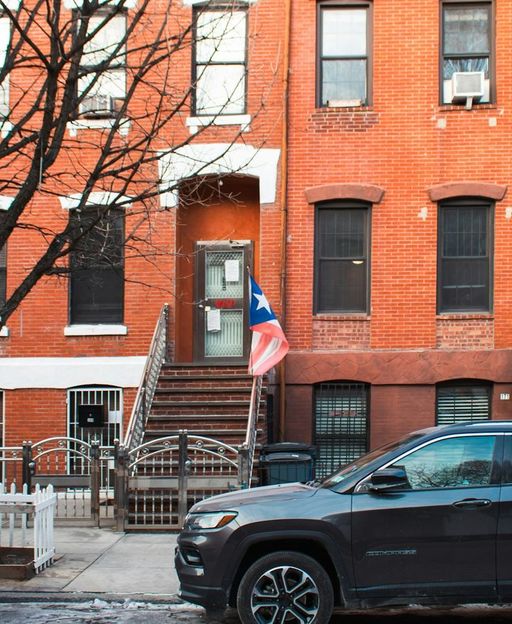
Manhattan’s Must-Visit Neighbourhoods
Manhattan is the heart of New York. Its neighbourhoods shift dramatically as you travel from tip to top. You can walk from one world into another in just a few blocks.
SoHo and Tribeca: Cast-Iron Architecture and Boutique Culture
SoHo is one of New York’s most beautiful streets. The cast-iron loft buildings date to the 1800s and define the neighbourhood’s look. Today those buildings house galleries, boutique shops, and excellent restaurants. Spring Street and Prince Street are the main drags. Expect beautiful people, expensive coffee, and genuinely great art.
Tribeca sits just below SoHo. It’s quieter, wealthier, and residential. The cobblestone streets are gorgeous on a weekend morning. You’ll find brilliant brunch spots and top restaurants. This neighbourhood suits travellers who want authentic NYC without the tourist crowds. Read our full SoHo guide here.
Greenwich Village and the West Village: Bohemian Spirit
Greenwich Village is where New York’s creative history lives. Bob Dylan played here in the 1960s. The Stonewall Inn stands on Christopher Street, a monument to the LGBTQ+ rights movement. Today the Village remains warm, independent, and beautifully walkable.
The West Village is the residential gem just west of Seventh Avenue. Its winding streets break Manhattan’s strict grid. The brownstone-lined blocks feel more like a European city than a world capital. You’ll find some of NYC’s finest small restaurants tucked along Bleecker Street and Hudson Street. Explore our Greenwich Village guide for the full picture.
Chelsea and Hell’s Kitchen: Art, Food, and Theatre Country
Chelsea runs along the west side of Manhattan between 14th and 30th Streets. It’s the city’s gallery district. On any given afternoon you can walk into world-class contemporary art exhibitions for free. The High Line runs right through Chelsea — an elevated park built on a disused railway track that offers brilliant views of the Hudson River.
Hell’s Kitchen sits between Chelsea and Midtown. It used to be rough. Now it’s one of the city’s best places to eat before or after a Broadway show. The streets between Ninth and Tenth Avenues are packed with restaurants from every cuisine imaginable. Read our full Chelsea neighbourhood guide.
Midtown Manhattan: The Classic New York Experience
Midtown is what most people picture when they think of New York. Times Square blazes here. The Empire State Building rises over 34th Street. Rockefeller Center sits on Fifth Avenue. Grand Central Terminal is a cathedral of travel. Midtown is loud, busy, and relentless — and it’s impossible not to feel the city’s energy here.
Most travellers spend at least some time in Midtown. It works well as a base because transport connections are excellent. That said, it lacks the residential charm of other areas. Use it as your launchpad rather than your entire destination. See our Midtown Manhattan guide for the best stops.
The Upper West Side and Upper East Side: Elegant City Living
Above 59th Street, Manhattan changes pace. The Upper West Side runs from Central Park West to Riverside Drive. The Natural History Museum anchors the northern end. The streets are lined with pre-war apartment buildings and excellent brunch spots. This neighbourhood is especially good if you’re visiting with children or want somewhere calmer to return to each evening. Here’s our complete Upper West Side guide.
The Upper East Side sits across Central Park. It’s home to Museum Mile — a stretch of Fifth Avenue containing the Metropolitan Museum of Art, the Guggenheim, and several other world-class institutions. The streets are smart and residential. Visit our Upper East Side guide for opening times and tips.
Harlem: Culture, History, and Soul Food
Harlem runs across northern Manhattan above 110th Street. It’s one of the most historically significant neighbourhoods in the world. The Harlem Renaissance of the 1920s and 1930s transformed American art, literature, and music. Marcus Garvey Park and the Apollo Theater are essential stops. On Sunday mornings, gospel brunches fill the restaurants and churches with extraordinary music.
The food scene here is outstanding. Sylvia’s on Lenox Avenue has served soul food for decades. The brownstone-lined streets of Hamilton Heights are some of the most beautiful in all of New York.
🗽 Love New York? Get the free weekly newsletter
Hidden gems, local secrets, and neighbourhood stories — every week, free.
Subscribe Free →Brooklyn: The Borough That Changed Everything
Brooklyn is no longer just a suburb of Manhattan. It’s a destination in its own right. The borough packs in more creative energy, great restaurants, and interesting architecture than most cities manage across their entire centre.
Williamsburg: Murals, Markets, and the Waterfront
Williamsburg sits across the East River from Midtown Manhattan. The skyline views from its waterfront parks are stunning. The neighbourhood itself is full of energy — independent coffee shops, vinyl record stores, vintage clothing, and street art murals around every corner.
Bedford Avenue is the main strip. The Smorgasburg food market runs on weekend mornings at Marsha P. Johnson State Park. The Brooklyn Flea Market fills a nearby location on Saturdays. Williamsburg is essential viewing for anyone who wants to understand contemporary New York culture.
DUMBO: Cobblestones and Manhattan Bridge Views
DUMBO — Down Under the Manhattan Bridge Overpass — occupies a small but spectacular corner of Brooklyn. The cobblestone streets run under the Manhattan Bridge. The neighbourhood’s signature view frames the bridge perfectly at the end of Washington Street. It’s one of the most photographed spots in all of New York.
Jane’s Carousel sits on the waterfront, a beautifully restored merry-go-round in a glass pavilion. Brooklyn Bridge Park runs along the waterfront here and offers magnificent views of the Lower Manhattan skyline. DUMBO is small enough to explore in an afternoon and rewards every visit.
Brooklyn Heights and Park Slope: Brownstone Beauty
Brooklyn Heights is one of the oldest and most elegant neighbourhoods in New York. The Brooklyn Heights Promenade runs along the bluff above the East River with extraordinary views of Lower Manhattan. The streets behind it are lined with stunning 19th-century brownstones. This is the area Truman Capote wrote about. It still feels timeless.
Park Slope sits further south, along the western edge of Prospect Park. It’s a deeply residential neighbourhood. Families push prams down leafy streets. The independent bookshops and small restaurants along Seventh Avenue are excellent. Our full Brooklyn guide covers all these areas in detail.
Queens: Astoria and Flushing
Queens is the most ethnically diverse borough in New York — and arguably the most diverse urban area on the planet. Over 160 languages are spoken here. That diversity makes it one of the best places to eat in all of New York.
Astoria was built by Greek immigrants in the early 20th century. Greek tavernas still line the main streets. But the neighbourhood has grown far beyond that. Today you’ll find Egyptian bakeries, Brazilian steakhouses, and extraordinary Middle Eastern food all within a short walk. The Museum of the Moving Image is here too — a world-class institution dedicated to film and television.
Flushing is New York’s second Chinatown — many argue it surpasses Manhattan’s original. The food markets in the Golden Shopping Mall and New World Mall Basement are extraordinary. The whole neighbourhood bustles with energy from early morning until late at night. Here’s our complete Queens visitor’s guide.
Which Neighbourhood Is Right for You?
Your ideal neighbourhood depends on what you want from New York. Here’s a quick guide:
- First-time visitors — Midtown or the Upper West Side. Great transport links and close to the major sights.
- Culture and art lovers — Chelsea, SoHo, or the Upper East Side. World-class galleries and museums within walking distance.
- Food obsessives — Hell’s Kitchen, Flushing, or Astoria. The city’s best eating is in these areas.
- Travellers on a budget — Williamsburg or Astoria offer better value than Manhattan hotels.
- Families — The Upper West Side or Park Slope are calm, safe, and child-friendly.
- Those who want the real NYC — Harlem, DUMBO, or the West Village. These neighbourhoods feel genuinely lived-in.
Don’t try to cover everything in one trip. Pick two or three neighbourhoods and explore them properly. You’ll get far more out of New York that way. For a broader view of what to see beyond the major sights, our NYC hidden gems guide is a great next read.
What is the best neighbourhood in New York City for first-time visitors?
Midtown Manhattan is the best neighbourhood in New York City for first-time visitors. It puts you within walking distance of the major landmarks — the Empire State Building, Times Square, Rockefeller Center, and Grand Central Terminal. Transport connections to every other part of the city are excellent from Midtown.
Is Brooklyn or Manhattan better for tourists?
Both boroughs offer brilliant experiences, and the best NYC trips combine them. Manhattan has the iconic landmarks and world-class museums. Brooklyn has the energy, the food markets, the street art, and the neighbourhood character. Stay in Manhattan if it’s your first visit. Add Brooklyn day trips from day two onwards. The subway makes getting between them easy and fast.
Where should I stay in New York City on a budget?
Williamsburg in Brooklyn and Astoria in Queens offer the best value accommodation in New York City. Both are well-connected to Manhattan by subway — Williamsburg is just one stop on the L train, and Astoria is around 20 minutes on the N or W. You get more space, quieter streets, and excellent local restaurants at lower prices than central Manhattan.
Join 1,000+ New York Lovers
Every week, get New York’s hidden gems, local secrets, and travel inspiration — the kind you won’t find in any guidebook.
Subscribe free — enter your email:
Love more? Join 64,000 Ireland lovers → · Join 43,000 Scotland lovers → · Join 30,000 Italy lovers →
Free forever · One email per week · Unsubscribe anytime
