
Prospect Park Brooklyn is one of the great underestimated parks in New York City. Its Boathouse — a pale stone Beaux-Arts building sitting at the edge of a still lake — is one of the most beautiful things in Brooklyn, and most visitors to the city never see it. They head straight to Central Park and move on. That is their loss.
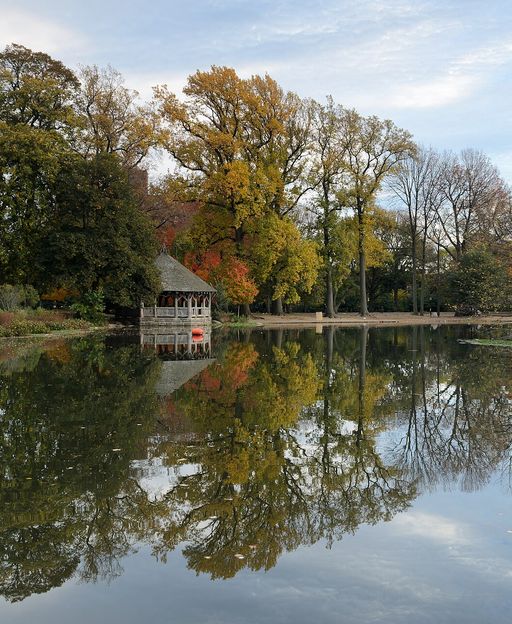
Frederick Law Olmsted and Calvert Vaux designed both Central Park and Prospect Park. The crucial difference? Olmsted considered Prospect Park his masterpiece. It holds the longest uninterrupted meadow in any urban park in America, a tranquil lake lined with herons and turtles, and the only natural freshwater lake in all of Brooklyn. A morning spent here — along the Lullwater path past the Boathouse, out onto the Long Meadow — followed by lunch in nearby Park Slope ranks among the best ways to spend a day in New York.
This guide covers everything you need to know: what to see, how to get here, the best nearby restaurants, and the ideal time to visit. For a broader look at the borough, see our complete guide to things to do in Brooklyn.
What Makes Prospect Park So Special
Olmsted and Vaux built Central Park first, then Prospect Park. By the time they began designing Prospect Park in the 1860s, they had learned from their earlier work. The result shows a more natural, less formal character than Manhattan’s famous park. The interior contains no roads. The transitions from meadow to woodland to lakeside feel smooth and unhurried. The park opened in 1867 and has stood at the heart of Brooklyn life ever since.
The neighbourhoods that ring Prospect Park — Park Slope, Prospect Heights, Windsor Terrace, and Crown Heights — hold some of the most interesting restaurants, coffee shops, and independent bookshops in the city. Prospect Park sits at the centre of a genuinely lived-in Brooklyn, not a tourist zone.
📧 Enjoying this guide? Get free weekly New York stories — join 1,000+ readers here →
The Long Meadow
The Long Meadow forms the centrepiece of Prospect Park. It runs for nearly a mile without a single road crossing it — the longest uninterrupted meadow in any urban park in the United States. On summer weekends, it fills with families, picnickers, Frisbee players, and dog walkers of every breed imaginable. On a quiet weekday morning in early spring, with mist lifting off the grass and barely a soul around, it feels genuinely extraordinary.
Pack a blanket and food if you plan to spend time here — the park contains no permanent food stalls inside, though vendors appear near the entrances during summer. The meadow is open and flat, making it ideal for children who need space to run.
The park designates several off-lead areas where dogs can run freely at certain hours — typically early morning and evening. Weekend mornings on the Long Meadow attract a social crowd of Brooklyn dog owners. It is lively, good-natured, and completely free.
The Lullwater and Boathouse
Follow the path from the Long Meadow south and east and you reach the Lullwater — a quiet, tree-lined waterway connecting to Prospect Park Lake. Great blue herons nest along this stretch. Turtles bask on fallen logs along the bank. Canada geese and wood ducks move through the reeds. Hard to believe you stand ten minutes from downtown Brooklyn.
Architects completed the Boathouse at the edge of the Lullwater in 1905, drawing on the Beaux-Arts style. Its arched windows and pale stone columns make it one of the most beautiful buildings in Brooklyn. Visitors enter free and can speak to staff about the park’s history and current events — it serves as the main visitor centre.
Prospect Park Lake
Prospect Park Lake stands as the only freshwater lake in Brooklyn. The Audubon Society has recorded over 200 bird species in the park throughout the year, with the lake drawing particular attention during migration seasons. In winter, diving ducks and other waterfowl arrive that rarely appear elsewhere in the city. In summer, the lakeside paths offer shade and calm away from the busier areas.
The LeFrak Center at Lakeside sits on the eastern shore of the lake. This modern recreation complex runs two ice rinks in winter and switches to roller skating and a children’s splash pad in summer. Skating costs extra — check the Prospect Park Alliance website for current prices and hours before your visit.
Things to Do in Prospect Park
Cycling and Running
The park drive circles the perimeter of Prospect Park for about three and a half miles. On weekends and during certain weekday hours, the park closes most of the loop to motor traffic — making it a popular route for cyclists, joggers, and in-line skaters. Citi Bike docking stations sit near several entrances. Shops on Seventh Avenue in Park Slope also rent bikes.
The Prospect Park Zoo
The Prospect Park Zoo occupies the eastern edge of the park, near the Flatbush Avenue entrance. The Wildlife Conservation Society manages it — the same organisation behind the Bronx Zoo and the New York Aquarium. The zoo focuses on up-close animal encounters rather than sprawling exhibits. Red pandas, sea lions, prairie dogs, and various birds live here. You pay admission at the gate or can buy tickets online in advance.
The 1912 Carousel
Near the Willink entrance on Flatbush Avenue stands the Prospect Park Carousel, dating to 1912. It originally ran at Coney Island before moving to the park in 1952. The hand-carved horses, lions, deer, and a giraffe are genuinely beautiful. The carousel operates seasonally — check the park website for current hours. Rides cost a small fee and draw families visiting the park. For more family-friendly ideas across the city, see our guide to New York with kids.
Free Outdoor Events
Prospect Park hosts a packed summer calendar of free outdoor events through the Celebrate Brooklyn! festival and other programmes. Free Shakespeare performances, film screenings, and concerts draw large crowds on warm evenings. The quality runs high and the atmosphere stays relaxed. Check the Prospect Park Alliance website for a current schedule — and arrive early to claim a good spot on the lawn.
Eating Near Prospect Park
Park Slope, on the western edge of the park, holds one of the highest concentrations of good independent restaurants in Brooklyn. A few worth seeking out:
Al Di Là Trattoria on Fifth Avenue has served Northern Italian cooking since 1998. Small, warm, and consistently excellent — arrive early or expect a wait. The restaurant does not take reservations.
Miriam on Prospect Park West serves Israeli brunch. The shakshuka draws queues on weekend mornings and rewards the wait.
Cafe Regular du Nord on 15th Street runs a tiny French-influenced coffee bar. Calm, quiet, and ideal for an hour with a book before or after the park.
Union Hall on Union Street features indoor bocce courts, bar food, and a covered garden. It counts as one of the more unusual drinking venues in Brooklyn and worth a visit for the atmosphere alone.
In summer, food carts and vendors appear near the Willink and 9th Street entrances. For more eating options across the city, see our New York City food guide.
Getting to Prospect Park
The subway offers your best option. The B and Q trains stop at Prospect Park station on Flatbush Avenue, directly at the main Willink entrance. The F and G trains stop at 7th Avenue, a short walk from the Park Slope entrance on the northern side. The 2 and 3 trains stop at Grand Army Plaza, another major entrance point on the north side.
From Midtown Manhattan, allow around 25 to 35 minutes on the subway. It beats a taxi on speed and cost, particularly during busy periods. The MTA accepts contactless bank cards and phone payments at most subway gates — no MetroCard needed. For more detail on getting around the city, see our complete New York City transport guide.
The Best Time to Visit Prospect Park
Autumn makes Prospect Park at its finest. The Long Meadow turns gold and rust from October onwards. The tree canopy along the Lullwater reaches its most spectacular in mid-October. Weekday mornings in October and November offer quiet that feels rare in any New York City park.
Spring brings blossom, migrating birds, and a gradual awakening after winter. Summer runs lively and full — events, families, food vendors, and evening concerts fill the calendar. Winter deserves more credit than it gets. Ice skating at Lakeside, near-empty woodland paths, and the lake at its most atmospheric make January and February worth considering.
Early morning, regardless of season, offers the park at its most peaceful. Runners, dog walkers, and the occasional birder with binoculars have it largely to themselves. If you can manage a weekday morning visit, take it.
Practical Tips for Visiting Prospect Park
The park charges no entry fee and opens every day from early morning until late evening. The Prospect Park Zoo and LeFrak Center at Lakeside charge separate admission. Public toilets sit near the main entrances and stay open during park hours. The main paths accommodate strollers and wheelchairs with ease, though some woodland trails run uneven underfoot.
Mobile coverage works well throughout the park. The Prospect Park Alliance website and app carry up-to-date information on events, closures, and seasonal activities.
Is Prospect Park free to visit?
Yes, Prospect Park charges no admission for entry or use of the grounds. Walking, running, cycling, picnicking, and attending free events all cost nothing. The Prospect Park Zoo and the LeFrak Center at Lakeside charge separately for entry and activities such as ice skating and roller skating.
How do I get to Prospect Park from Manhattan?
Take the B or Q train to Prospect Park station on Flatbush Avenue and you arrive directly at the main entrance. The journey from Midtown Manhattan takes roughly 25 to 35 minutes. The F and G trains also serve 7th Avenue, a short walk from the Park Slope entrance. The subway offers the fastest and most affordable option, particularly during busy periods.
What is the best time of year to visit Prospect Park?
Autumn stands out as the most beautiful season in Prospect Park, with golden foliage across the Long Meadow and spectacular colour along the Lullwater in October. Spring delivers migrating birds and blossom. Summer brings free outdoor concerts through the Celebrate Brooklyn! festival. Winter offers ice skating at the LeFrak Center and a quieter, more atmospheric version of the park.
Is Prospect Park good for families with young children?
Prospect Park suits families exceptionally well. The Long Meadow gives children plenty of space to run. The Prospect Park Zoo offers hands-on animal encounters in a manageable setting. The 1912 carousel near the Willink entrance delights younger visitors. The LeFrak Center runs a children’s splash pad in summer and ice skating in winter. Most main paths handle strollers and younger children with ease.
Join 1,000+ New York Lovers
Every week, get New York’s hidden gems, local secrets, and travel inspiration — the kind you won’t find in any guidebook.
Subscribe free — enter your email:
Love more? Join 64,000 Ireland lovers → · Join 43,000 Scotland lovers → · Join 30,000 Italy lovers →
Free forever · One email per week · Unsubscribe anytime
