
Flushing is one of the most rewarding neighbourhoods in New York City, and one of the most underrated. When visitors ask about things to do in Flushing Queens, they’re usually surprised by the scale of what’s on offer: some of the finest Asian food in the entire country, a 898-acre park shaped by two World’s Fairs, free iconic landmarks, and centuries of history that played a direct role in the story of American religious freedom. This guide covers everything you need to know before you go.
What Makes Flushing, Queens Worth the Journey
Flushing sits in the north of Queens, about 45 minutes east of Midtown Manhattan on the No. 7 subway. It has become the cultural and culinary heart of Asian-American New York — and by many accounts, the most authentic destination for Asian food outside Asia itself.
The neighbourhood around Main Street is dense with restaurants, bakeries, bubble tea shops, and food courts. Languages shift as you walk: Mandarin, Cantonese, Korean, and a dozen other tongues fill the air. Signs in Chinese and Korean characters line the storefronts. It’s energetic, colourful, and completely unlike any other part of New York City.
Beyond the food scene, Flushing carries genuine historical weight. It’s home to one of the oldest surviving houses in all of New York City. It played a key role in the early history of religious freedom in America — decades before the United States existed as a country. And its sprawling park is one of the best free days out that Queens has to offer.
If you’re planning a broader exploration of the borough, our complete guide to Queens for visitors covers Astoria, Jackson Heights, Long Island City, and more alongside Flushing.
The Best Food in Flushing, Queens
Eating your way through Flushing is the main event for most visitors. You could spend an entire day just exploring the food options and still not cover everything on offer.
New World Mall Food Court
The New World Mall on Main Street contains one of the most celebrated food courts in New York City. Dozens of vendors serve everything from hand-pulled noodles and Sichuan hot pot to Taiwanese scallion pancakes and Hong Kong-style egg waffles. Prices are genuinely affordable — a bowl of soup dumplings or a plate of noodles typically costs less than eight dollars.
It’s busy, noisy, and brilliant. Arrive by noon to beat the lunchtime rush. Bring cash — some vendors don’t take cards. Go hungry. Take your time choosing — there’s no rush, and standing at the counter to watch dishes being prepared is part of the experience.
Korean Food and BBQ
Flushing has a thriving Korean community, and the food reflects it. You’ll find Korean BBQ restaurants along Union Street and nearby side streets. Many open for late-night dining, making Flushing a worthwhile destination even after dark.
Try a bowl of army stew (budae jjigae) or a plate of japchae — glass noodles with vegetables and sesame. Most restaurants bring banchan (small side dishes) automatically. These are not extras — they’re part of the meal and they’re free.
Taiwanese and Regional Chinese Cuisine
The range of Chinese regional cooking in Flushing is staggering. You’ll find Fujian seafood dishes, Shanghainese soup dumplings (xiao long bao), Cantonese roast duck, and hand-torn Shaanxi noodles — all within a few blocks of each other.
For Taiwanese food, look out for beef noodle soup, oyster vermicelli, and flaky scallion pancakes. Several bakeries along Main Street sell pineapple cakes, egg tarts, and taro pastries throughout the day. These make excellent snacks between meals.
Bubble Tea and Desserts
Flushing is a bubble tea paradise. Dozens of shops sell freshly made teas with tapioca pearls in every flavour imaginable. For desserts, try mango shaved ice from a Taiwanese dessert shop, sesame tang yuan (glutinous rice balls in sweet soup), or silken tofu pudding with ginger syrup. Prices are low and portions are generous.
Things to Do in Flushing Queens: Parks, History and Landmarks
The food is extraordinary — but Flushing has excellent things to see as well. Give yourself at least a few hours for the park and its surrounding attractions.
Flushing Meadows-Corona Park
This enormous park covers 898 acres in the heart of Queens. It hosted two World’s Fairs — in 1939 and 1964 — and several structures built for those events still stand today. Entry to the park is free. It’s one of the best free things to do in New York if you want space, greenery, and a break from the intensity of the city.
On summer weekends, the park fills with families having picnics, playing sport, and cycling the paths. There’s a lake where you can hire paddle boats, plus running tracks, sports fields, and shaded spots to sit. In late summer, Arthur Ashe Stadium on the park’s northern edge hosts the US Open tennis tournament.
The Unisphere
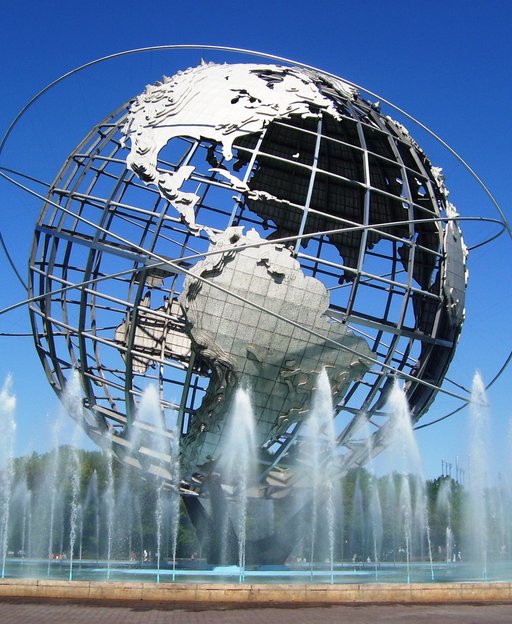
The Unisphere is the iconic stainless steel globe at the centre of Flushing Meadows-Corona Park. Built for the 1964 World’s Fair, it stands 43 metres tall and weighs 350 tonnes. It remains the largest globe structure in the world.
Standing underneath it is genuinely impressive. The surrounding Fountain of the Planets adds to the drama on days when it runs. Both are free to visit. Most visitors combine the Unisphere with a walk around the park and a visit to at least one of the nearby museums.
The Queens Museum
The Queens Museum occupies one of the original 1939 World’s Fair buildings. Its permanent highlight is the Panorama of the City of New York — a vast scale model of all five boroughs so detailed that you can identify individual skyscrapers, parks, and bridges across the entire city. Updated regularly to reflect new construction, it’s unlike anything else in New York.
Admission operates on a pay-what-you-wish basis for New York City residents. For visitors from outside the city, a modest entry fee applies. For other excellent museums across New York, our complete guide to the best museums in New York City covers the full picture.
The New York Hall of Science
The New York Hall of Science sits on the northern edge of Flushing Meadows-Corona Park. It’s primarily aimed at families, but adults will find plenty to engage with. The outdoor Science Playground is one of the largest in the United States. Inside, exhibits cover space exploration, human biology, and engineering in a hands-on format that actually holds your attention.
Check the New York Hall of Science website for current exhibitions before you visit. There are often temporary shows alongside the permanent collection. Tickets cost around a modest fee, with reductions for children.
Bowne House and the Flushing Remonstrance
The Bowne House on Bowne Street is one of the oldest private homes still standing in New York City. Built in 1661, it belonged to John Bowne, a Quaker who defied Dutch colonial law by holding religious meetings in his home. His arrest and eventual acquittal helped establish that colonial authorities could not dictate religious practice to individuals.
His actions contributed directly to the Flushing Remonstrance of 1657 — one of the earliest documents in American history to argue for religious freedom. The document predates the First Amendment by more than 130 years. Guided tours of Bowne House are available at weekends. It’s a genuinely important piece of American history that most visitors to New York never hear about.
Flushing Town Hall
Flushing Town Hall on Northern Boulevard is a cultural venue hosting jazz concerts, visual art exhibitions, and community performances throughout the year. The building dates from 1862 and has been beautifully restored. Check their online calendar for what’s on during your visit — there’s usually something worth catching on at weekends.
How to Get to Flushing, Queens
Getting to Flushing from Manhattan is simple. Take the No. 7 subway line from Times Square (42nd Street-Bryant Park) and ride it to the final stop: Main Street-Flushing. The journey takes about 40 to 45 minutes. The train runs frequently — every few minutes during peak hours.
You’ll notice the character of the neighbourhoods shifting as you move east along the No. 7 line. Asian-owned businesses and multilingual signage grow denser as you approach Flushing. When you exit at Main Street, you step directly into the heart of the neighbourhood.
The Long Island Rail Road (LIRR) also runs to Flushing-Main Street from Penn Station. Trains take around 20 minutes. Tickets cost more than the subway but the journey is faster if you’re in a hurry. At weekends, LIRR trains can also be a more comfortable option.
Practical Tips for Your Visit to Flushing
When to go: Flushing is lively every day of the week. Weekends are the busiest, particularly at food courts and in the park. For a quieter experience, visit on a weekday morning when the food courts are less crowded and you can take your time choosing what to eat.
How long to spend: A half-day gives you enough time to eat well and see the park. A full day lets you visit the Unisphere, the Queens Museum, the Hall of Science, and Bowne House without rushing. Flushing rewards those who slow down and explore on foot.
Cash and cards: Many smaller vendors, particularly inside food courts, prefer cash. Bring some New York dollars with you. Larger restaurants generally accept cards, but it’s wise not to rely on this in the smaller food stalls or basement market vendors.
Language: English is widely understood, but Mandarin, Korean, and other languages are commonly heard in shops and markets. Restaurant menus almost always include English. If they don’t, pointing at what another diner is eating works perfectly.
What to combine it with: Flushing pairs naturally with other Queens destinations. Jackson Heights offers Colombian and South Asian food just a few stops west on the No. 7 line. If you’re planning a full day out of Manhattan, our guide to Brooklyn for tourists is worth reading for another cross-borough adventure.
Frequently Asked Questions About Flushing, Queens
What is the best way to get to Flushing, Queens from Manhattan?
Take the No. 7 subway from Times Square to the last stop, Main Street-Flushing. The journey takes about 40 to 45 minutes and costs the standard subway fare. It’s the cheapest and most direct way to reach Flushing from central Manhattan.
What is Flushing Queens most famous for?
Flushing is best known for its extraordinary Asian food scene — particularly its Chinese, Taiwanese, and Korean restaurants and the celebrated New World Mall food court. It’s also home to Flushing Meadows-Corona Park, the Unisphere, and historic landmarks including the 1661 Bowne House and the story of the Flushing Remonstrance.
Is Flushing Queens worth visiting as a tourist?
Yes — very much so. Flushing offers some of the most authentic and varied Asian cuisine in North America, a huge park with genuinely iconic free landmarks, and fascinating historical sites. It gives you a completely different perspective on New York City and shows a side of the city that most tourists never reach.
How long should I spend in Flushing Queens?
Allow at least three to four hours if you want to eat well and see the park. A full day is ideal if you plan to visit the Queens Museum, the New York Hall of Science, and Bowne House as well. Flushing is rewarding to explore slowly — the neighbourhood reveals itself on foot rather than on a tight schedule.
Join 1,000+ New York Lovers
Every week, get New York’s hidden gems, local secrets, and travel inspiration — the kind you won’t find in any guidebook.
Subscribe free — enter your email:
Love more? Join 64,000 Ireland lovers → · Join 43,000 Scotland lovers → · Join 30,000 Italy lovers →
Free forever · One email per week · Unsubscribe anytime
