
Between 1910 and 1970, six million African Americans left the South. They were escaping sharecropping, debt, and daily hardship. They were searching for something better.
Many came to New York. And many of those found their way to Harlem.
What happened next was extraordinary. Harlem became the birthplace of jazz, the blues, and the Harlem Renaissance. It became the cultural heart of Black America. And it did so because ordinary people — sharecroppers, domestic workers, teachers, and ministers — made a brave choice to start over.
This is their story.
If you love New York’s hidden stories, you’ll love our free weekly newsletter. Subscribe to Love New York →
Why They Left the South
Life in the American South was hard for Black families in the early 1900s. Sharecropping kept people in cycles of debt. Schools were separate and poorly funded. Many families had no clear path forward.
Then two things changed everything.
First, World War One broke out in 1914. Northern factories lost their European immigrant workers. They needed new labour — and quickly.
Second, newspapers started spreading the word. The Chicago Defender, a Black newspaper, ran stories about better wages and new possibilities. It was smuggled south on trains. Pullman porters passed it hand to hand.
The message was simple: come north and find something better.
How Harlem Became the Destination
Harlem in the 1890s was a wealthy white suburb. Speculators had built more housing than the market could absorb. By 1904, the area was collapsing financially.
A Black real estate agent named Philip Payton saw the opportunity. He persuaded white landlords to rent to Black tenants. They agreed — they had empty buildings and needed income.
The first families moved in on West 134th Street in 1904. By 1910, tens of thousands of Black New Yorkers had followed. By 1920, Harlem was the largest Black urban community in the world.
It was not a simple process. White residents tried to block the change. But families held on, paid their rent, and built their lives.
Other immigrant groups were doing the same thing across the city. The Italian families of Little Italy were holding their streets in downtown Manhattan. The Polish community in Greenpoint was building its own world across the East River. In Harlem, Black families built something that would reach further than any of them.
What Life Was Like in Great Migration Harlem
Life in Harlem was not easy. But it was different from what families had left behind in the South.
Rents were high. Landlords knew Black tenants had few alternatives. So they charged more. Many families took in lodgers to cover the cost.
A typical Harlem apartment in 1920 might house eight or ten people. Two or three families shared a flat. Women often worked as domestic servants in white households downtown. Men worked in factories, as railway porters, or in any trade that would take them.
But on weekends, Harlem came alive.
Music was everywhere. Churches rang with gospel. Small clubs hosted jazz bands who were quietly changing the sound of the world.
On Saturday nights, rent parties filled the apartments. Families threw dances to raise money for the landlord. A pianist played all night. Neighbours came, paid a small admission, and danced until dawn. The rent party was a Harlem invention — and it became a Harlem tradition.
The Harlem Renaissance (1920s–1930s)
By the 1920s, Harlem had become a cultural powerhouse.
Writers like Langston Hughes and Zora Neale Hurston published novels and poems that demanded attention. Hughes wrote directly about the Great Migration — about the longing, the grit, and the hope of people who had travelled north for a better life.
Artists like Aaron Douglas created images of Black heritage and pride. Scholars published essays about Black culture and history that are still read today.
Jazz clubs like the Cotton Club filled with music. Duke Ellington and Cab Calloway performed to packed houses. Louis Armstrong came to play.
The Jewish community of the Lower East Side had produced its own cultural flowering a generation earlier. Harlem’s Renaissance was different in scale and reach. It changed how America understood its own culture.
Want more stories like this? Our weekly newsletter goes deeper into New York’s heritage every week. It’s free. Subscribe here →
The Churches: Heart of the Community
Churches were at the centre of Great Migration Harlem. They were more than places of worship.
They were community halls, employment networks, and social anchors. If you arrived in Harlem from Georgia or Alabama with nothing, the church was your first stop.
The Abyssinian Baptist Church was the most famous. Founded in 1808, it moved to Harlem in 1923. Its pastors became powerful community voices. The church connected families, supported new arrivals, and gave the neighbourhood a gathering place that endured through every change.
The church still stands at 132 West 138th Street. Sunday services are open to visitors.
The Streets of Old Harlem
To understand Great Migration Harlem, you need to know its geography.
125th Street was the main thoroughfare. It is still the high street of Harlem today. In the 1920s, it was lined with theatres, shops, and Black-owned businesses.
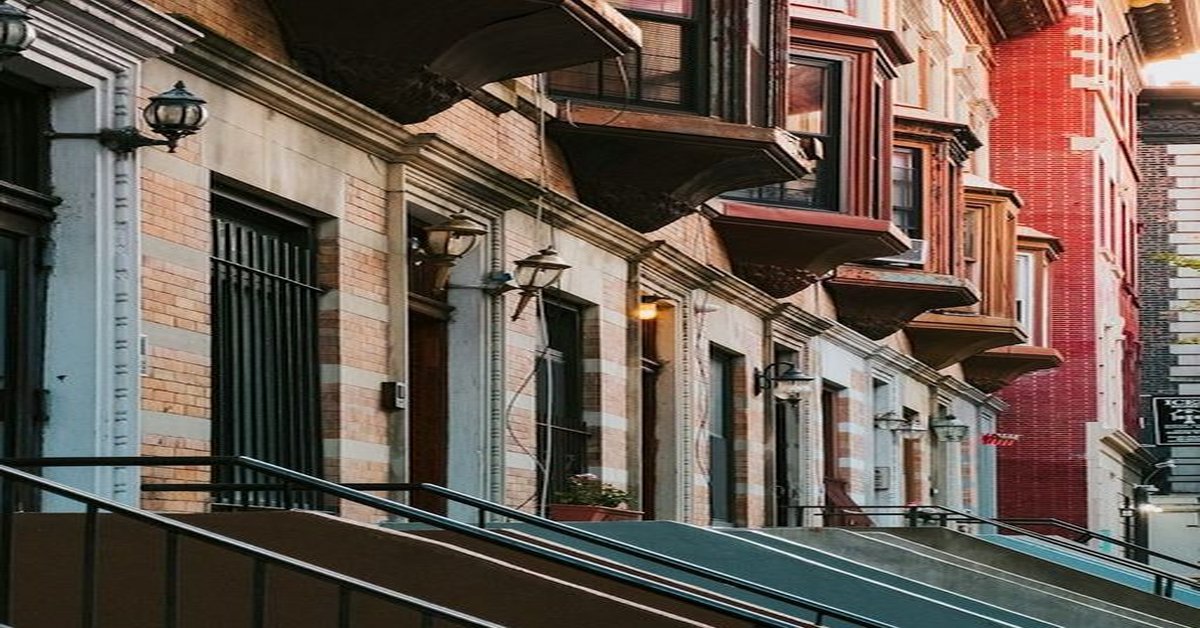
Strivers’ Row — officially St Nicholas Place, between 138th and 139th Streets — was where Harlem’s professional class lived. Doctors, lawyers, and teachers bought townhouses here. The name reflects the ambition of those who built their lives here.
Sugar Hill on the northern edge of Harlem housed the neighbourhood’s most successful residents. Duke Ellington kept an apartment here. The preserved townhouses give you the clearest sense of what prosperous Harlem looked like in its golden years.
The Apollo Theatre, which opened on 125th Street in 1934, became the most celebrated Black entertainment venue in America. Its Amateur Night discovered performers who went on to define popular music for generations.
How to Visit Harlem’s Heritage Today
Harlem today is a living heritage site. You don’t need a tour guide to feel its history.
Start at the Schomburg Centre for Research in Black Culture on Malcolm X Boulevard. Entry is free. It holds one of the world’s most complete archives of African American history. The building itself is a landmark.
Walk to the Abyssinian Baptist Church at 132 West 138th Street. If you visit on a Sunday, you can attend the gospel service. It is one of the most powerful experiences available to any visitor in New York.
Visit the Apollo Theatre on 125th Street. Tours run regularly. Wednesday Amateur Night still takes place — the tradition stretches back to 1934.
Stroll Strivers’ Row to see the preserved townhouses. The streets look much as they did in the 1920s.
End at the Studio Museum in Harlem on 125th Street. Even a short visit connects you to the living heritage that the Great Migration created.
Frequently Asked Questions
What was the Great Migration?
The Great Migration was the movement of approximately six million African Americans from the South to Northern and Western cities between 1910 and 1970. They moved to find better opportunities and to build new lives in cities like New York, Chicago, and Detroit.
Why did so many Great Migration families choose Harlem?
Philip Payton, a Black real estate agent, helped open Harlem to Black tenants from 1904 when white landlords needed to fill empty buildings. Word spread quickly, and by the 1920s Harlem had developed into a thriving community with churches, businesses, and cultural institutions.
What was the Harlem Renaissance?
The Harlem Renaissance was an explosion of Black cultural creativity that took place during the 1920s and 1930s. Writers, artists, and musicians produced work that shaped American culture and made Harlem known worldwide as a place of creativity and heritage.
What is the best place to learn about Harlem’s history?
The Schomburg Centre for Research in Black Culture on Malcolm X Boulevard holds one of the world’s most complete archives of African American history. Entry is free and it is open to the public six days a week.
Can visitors attend a service at the Abyssinian Baptist Church?
Yes. The Abyssinian Baptist Church at 132 West 138th Street welcomes visitors to its Sunday gospel services. It is one of the oldest Black churches in America and a cornerstone of Harlem’s heritage.
Ready to explore the New York your ancestors knew? Subscribe to Love New York — free weekly stories, heritage guides, and hidden history. Join us →
