
New York City in winter is something else entirely. The crowds thin, the prices drop, and the city puts on a show that no other season can match — from the glow of Christmas markets in Bryant Park to the surreal quiet of Central Park under fresh snow. If you have been wondering whether a winter visit is worth it, the answer is an emphatic yes.
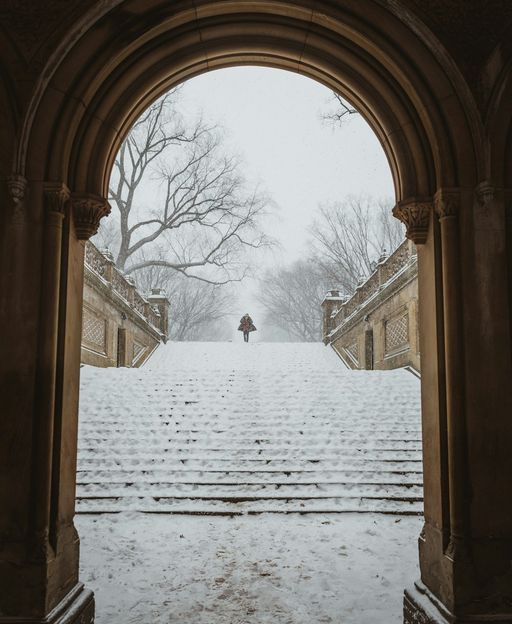
This guide covers everything you need to know about visiting New York City in winter — what to do in December, January, and February, how to stay warm, where to eat, and how to make the most of one of the world’s greatest cities at its most magical.
Why Winter Is One of the Best Times to Visit New York City
Most visitors assume summer is the peak season for New York. In many ways, it is. But winter has real advantages that experienced travellers know about.
Hotel prices fall sharply after the Christmas rush. Museum queues shrink. Restaurants take reservations they would refuse in August. And the city itself transforms — the festive lights on Fifth Avenue, the skaters at Rockefeller Center, the breath-steaming crowds gathered around food stalls at Bryant Park’s Winter Village. None of that exists in summer.
New York is also a city built for indoor life. Its museums, jazz clubs, bookshops, delis, and cocktail bars are at their best when the weather outside gives you a reason to linger. Winter makes New York feel properly New York.
What the Weather Is Actually Like
New York winters are cold but manageable. December averages around 7°C (44°F), January drops to 1–2°C (34–36°F), and February sits in a similar range. Snow is possible from December through February, though heavy snowfall is not guaranteed every year.
The key is layering. A warm base layer, a heavy coat, a hat, and gloves will see you through almost any winter day. Wind is the real factor — the wide avenues of Midtown can be brutal when it blows. Wear your warmest coat on days when you plan to be outside for long periods.
One practical note: New York buildings are aggressively heated. You will find yourself overheating the moment you step inside a subway car or restaurant. Layers you can remove quickly are far more useful than a single very thick coat.
The Best Things to Do in New York City in Winter
Christmas Markets and Festive Highlights (December)
December in New York is genuinely spectacular. The city spends months preparing for it, and the results show.
The Bryant Park Winter Village is the heart of the Christmas market scene. More than 170 vendors sell food, gifts, and drinks around a central ice rink. Entry to the market is free. Skating requires a ticket, but the rink itself is beautiful — surrounded by the Manhattan skyline. It runs from late October through March.
The Union Square Holiday Market runs from late November through Christmas Eve and fills the square with artisan jewellery, clothing, food, and gifts. It has a looser, local feel compared to Bryant Park — many of the vendors are New York-based makers and designers.
The Rockefeller Center Christmas Tree is one of the most photographed sights in the world. The tree lighting ceremony happens in early December and draws enormous crowds. Visit early in the morning on a weekday if you want a relatively peaceful look. The Norwegian spruce is genuinely enormous — often over 20 metres tall.
The Dyker Heights Christmas Lights in Brooklyn are a New York tradition many tourists miss entirely. Every December, the residents of this quiet Brooklyn neighbourhood compete to decorate their homes with extraordinary light displays. It is free to walk around, easy to reach by subway, and completely unlike anything else in the city.
New Year’s Eve in New York City
The Times Square ball drop is one of the most iconic New Year’s Eve events on earth. If you want to watch it live, arrive early — by mid-afternoon at the latest — and be prepared to stand in a designated viewing area for several hours. There are no toilets in the viewing areas, no alcohol permitted, and no re-entry once you are in. It is an experience, but it requires commitment.
If Times Square feels too intense, New York offers excellent alternatives. The Brooklyn Waterfront gives you a stunning view of the Manhattan skyline at midnight. Central Park hosts a midnight run. Many restaurants and bars hold ticketed events with views, food, and a midnight toast. Book well in advance — popular spots sell out in October.
Ice Skating in New York City
New York has several excellent skating rinks, each with its own character. The Rink at Rockefeller Center is the most famous — smaller than you might expect, but magical, surrounded by flags and overlooked by the golden Prometheus statue. Book in advance and go early in the morning to avoid the longest queues.
The Wollman Rink in Central Park is larger and gives you a panoramic view of the Midtown skyline as a backdrop. It has a more relaxed atmosphere than Rockefeller. The LeFrak Center at Lakeside in Prospect Park, Brooklyn, offers skating in a beautiful park setting without the tourist crowds.
Bryant Park’s rink is free to skate — you only pay for skate hire. That makes it the best-value rink in the city for families or visitors on a budget.
Museums: New York at Its Finest Indoors
Winter is peak museum season in New York. The major institutions are warm, beautifully maintained, and far less crowded than in summer. This is the time to spend three hours at the Met without fighting through tour groups, or to take your time at MoMA without queuing for twenty minutes to see a single painting.
New York’s museum scene is one of the greatest in the world. The Metropolitan Museum of Art on Fifth Avenue holds over two million works across five thousand years of human history. The American Museum of Natural History on the Upper West Side is extraordinary for families and adults alike. The Frick Collection (currently in temporary premises while its Fifth Avenue mansion is restored) houses one of the finest private art collections ever assembled. For modern and contemporary art, the Museum of Modern Art (MoMA) in Midtown is essential.
See our complete guide to the best museums in New York City for opening times, ticket prices, and which collections to prioritise.
Jazz Clubs and Live Music
Winter in New York and jazz go together naturally. The city’s live music scene is at its best in the colder months, when musicians are in town and crowds pack into small, warm rooms for something real. Village Vanguard in Greenwich Village is the most hallowed jazz room in America. Smalls Jazz Club on West 10th Street runs late-night sessions that feel like a portal to another era.
You do not need to be a dedicated jazz fan to love these spaces. The combination of a low-lit room, a talented live band, and the cold city outside the door is one of the most pleasurable experiences New York offers. Read our guide to the best jazz clubs in New York City before you go.
Where to Eat and Warm Up in Winter
Classic New York Winter Food
New York food in winter calls for warmth and comfort. The city delivers on both fronts at every price point.
The New York deli is a winter institution. A towering pastrami sandwich at Katz’s Delicatessen on the Lower East Side, or a bowl of matzo ball soup at any of the classic Jewish delis still operating in Midtown, is exactly what you need after a cold morning on the streets. These are not tourist traps — they are the real thing, operating as they have for over a century.
For hot chocolate, Jacques Torres Chocolate in Brooklyn and Midtown makes some of the finest cups in the city. The City Bakery on West 18th Street runs a famous hot chocolate festival every February. Street food — halal carts, hot dog vendors, and roasted chestnut sellers — is part of the winter street experience and should not be overlooked.
New York pizza is, of course, year-round. But a greasy, folded slice of New York cheese pizza from a counter shop on a January afternoon hits differently than in August heat. Embrace it.
Cosy Cafés and Bookshops
New York’s independent bookshops come into their own in winter. The Strand Bookstore on Broadway, with its 18 miles of books, is one of the finest bookshops in the world and a perfect place to spend an hour or two on a cold day. McNally Jackson in SoHo and NoLIta has a wonderful café attached and a thoughtfully curated selection.
The café culture in Brooklyn — particularly in areas like Williamsburg, Park Slope, and Cobble Hill — means you are never far from a warm room, a good coffee, and a comfortable chair. These are not chain cafés. They are places where people stay for hours.
Planning Your Winter Trip to New York City
December, January, or February: Which Month Is Best?
Each winter month has a distinct character.
December is the most festive and the most expensive. Flights and hotels cost more in the weeks before Christmas. The city is at its most beautiful and its most crowded simultaneously. If you want the full Christmas experience — markets, lights, skating, tree — December is the right month. Book everything well in advance.
January is the value month. After New Year’s, prices fall sharply. The Christmas decorations are still up for part of the month. Crowds shrink. Hotels that were booked out in December have availability. The cold is real — January is the coldest month — but New York is still fully operational and very much alive. This is a great time for museum lovers and anyone on a tighter budget.
February brings Valentine’s Day energy to the city, with special menus and events at many restaurants. It is still cold, often grey, and quiet compared to summer — but it is also the month most likely to give you a proper snow day, which transforms New York into something extraordinary. Central Park under fresh snow is one of the most beautiful sights on earth.
Saving Money on a Winter Trip
New York is expensive at any time of year, but January and February offer genuine savings compared to peak seasons. Hotel prices in Midtown can drop by 30–40 per cent compared to July. Many of the best things to do in winter are free: the Christmas markets (entry only), walking the Brooklyn Bridge, exploring neighbourhoods, visiting free parks, and watching the city go about its life.
The CityPASS and New York Pass give you bundled entry to multiple attractions at a reduced combined price — worth calculating if you plan to visit several paid museums in a short trip. See our full guide to how much a trip to New York City actually costs for a detailed breakdown. Also check our guide to free things to do in New York City — much of what makes New York great costs nothing at all.
Getting Around New York City in Winter
The subway runs 24 hours a day, seven days a week, including in winter storms. It is not always warm or comfortable, but it gets you everywhere. In heavy snow, above-ground subway lines can experience delays. Underground lines run normally in almost all conditions.
Walking between neighbourhoods is one of the great pleasures of New York in any season, but winter requires planning. The cross streets (east–west) in Midtown can be extremely cold and windy. The avenues (north–south) offer slightly more shelter. If you are walking in Central Park after snow, wear waterproof boots — the paths are slushy and wet after any significant snowfall.
Taxis and ride-shares are in high demand during cold snaps and snowstorms. Allow extra time or use the subway when the weather is bad.
Winter Walks: The Best Neighbourhoods to Explore
Some New York neighbourhoods are particularly beautiful in winter. Brooklyn Heights and its Promenade, with views across the East River to Lower Manhattan, is stunning on a clear winter day. The brownstone streets feel unhurried and neighbourhood-like in a way that Midtown never does.
Greenwich Village in winter has the feel of an old New York that still exists — narrow streets, brick townhouses, independent restaurants lit with warm light, and the occasional snow-dusted tree. Walk from Washington Square Park north through the Village streets on a cold Sunday morning and you will understand why people spend their whole lives here.
The Upper West Side becomes a proper residential neighbourhood in winter. Riverside Park, running along the Hudson River, is quiet and beautiful on cold mornings. Zabar’s, the legendary deli and food market on Broadway, is at its best when you walk in from the cold.
For a full experience of Central Park in winter, visit on a weekday morning after fresh snow. The park genuinely feels transformed — quieter than any other time of year, the paths unmarked, the trees heavy and white. It is one of the finest free experiences in New York.
Frequently Asked Questions About New York City in Winter
How cold does New York City get in winter?
New York City in winter averages between 1°C and 7°C (34–44°F), with January being the coldest month. Wind chill can make it feel significantly colder, particularly on the wide avenues of Midtown Manhattan, so layering and a warm hat are essential.
Is New York City worth visiting in winter?
Yes — New York City in winter is excellent value and genuinely beautiful, especially in December when the Christmas lights and markets transform the city. January and February offer lower prices, smaller crowds at major attractions, and a chance to experience New York as a working city rather than a tourist destination.
What are the best Christmas things to do in New York City?
The top Christmas experiences in New York include the Bryant Park Winter Village market and ice rink, the Rockefeller Center Christmas Tree, skating at Wollman Rink in Central Park, the Union Square Holiday Market, and the Dyker Heights Christmas lights display in Brooklyn. All are free to visit except the ice rinks, which charge a skating fee.
What should I pack for a winter trip to New York City?
Pack a heavy winter coat, thermal base layers, warm hat, gloves, and a scarf. Waterproof boots are strongly recommended — snow and slush on pavements are common from December through February. New York buildings are very warm inside, so wear layers you can remove easily when you go indoors.
Join 1,000+ New York Lovers
Every week, get New York’s hidden gems, local secrets, and travel inspiration — the kind you won’t find in any guidebook.
Subscribe free — enter your email:
Love more? Join 64,000 Ireland lovers → · Join 43,000 Scotland lovers → · Join 30,000 Italy lovers →
Free forever · One email per week · Unsubscribe anytime
