
Between 1910 and 1970, six million African Americans left the South.
They fled violence, poverty, and laws designed to keep them powerless. They headed north, west, and east. Many landed in New York City. In one square mile of upper Manhattan, they built something extraordinary.
This is the story of Harlem — and the Great Migration that made it.
If you love New York’s hidden stories, you’ll love our free weekly newsletter. Subscribe to Love New York →
Why They Left the South
The South, in the years after the Civil War, became a brutal place for Black Americans.
Jim Crow laws stripped away the rights won during Reconstruction. The Ku Klux Klan terrorised communities. Sharecropping trapped families in debt that never cleared.
Between 1877 and 1950, white mobs lynched more than 4,000 Black people across the South. No jury convicted anyone for most of those deaths.
Then World War One changed the economics of the North.
Factories needed workers. Immigration from Europe dried up. Northern employers sent recruiters south, handing out train tickets and promises of wages Black workers had never dreamed of earning.
The first wave of the Great Migration began around 1910. It swelled during the war years of 1914 to 1918. By 1920, more than 500,000 Black Americans had moved north. By 1940, that number exceeded 1.6 million.
New York City received more of these migrants than almost any other northern city. And they found their home in Harlem.
How Harlem Became Black Harlem
In the early 1900s, Harlem was a white neighbourhood in crisis.
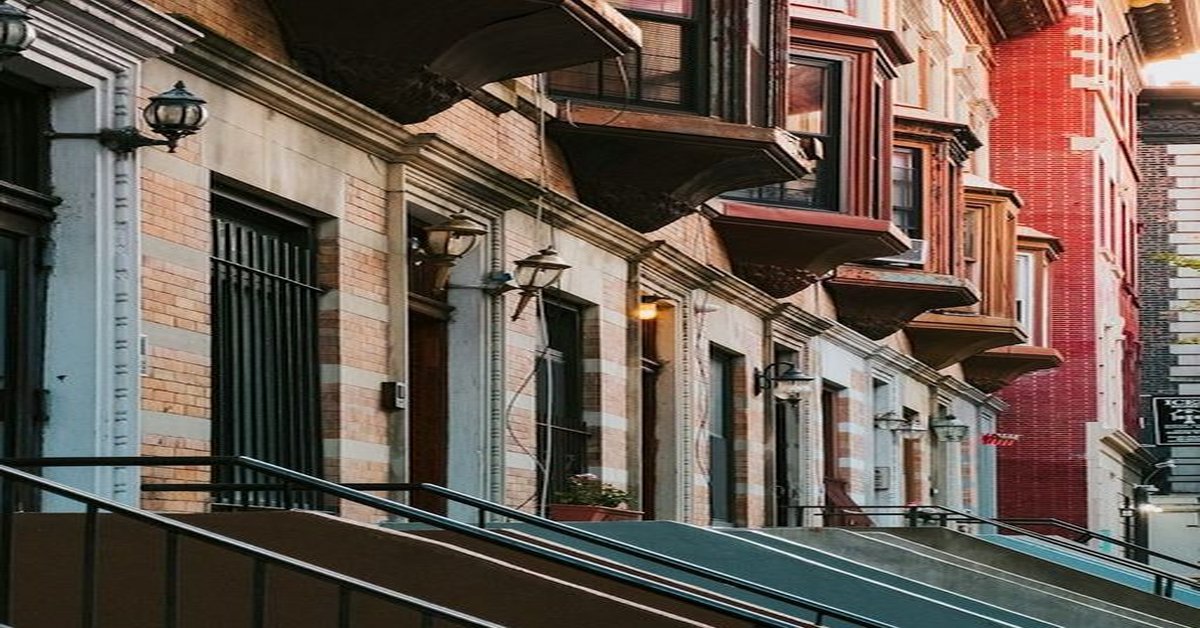
Developers had over-built the area during the 1890s. New subway lines and the promise of a real estate boom had brought rows of elegant brownstones. Then the boom collapsed. Buildings sat empty.
A Black real estate agent named Philip Payton Jr. saw an opportunity.
Payton approached desperate white landlords with a proposal. He would fill their empty buildings with Black tenants, at premium rents, if they gave him management contracts.
The landlords agreed.
Payton opened blocks along West 134th Street to Black families in 1904. For the first time, African Americans could live in truly decent housing — high ceilings, good plumbing, real streets.
Word spread fast.
Black families poured in from downtown Manhattan’s overcrowded San Juan Hill neighbourhood. They came from the South, from the Caribbean, from across the country. By 1920, Harlem housed more African Americans than anywhere else on earth.
The Harlem Renaissance: A Cultural Explosion
The neighbourhood that the Great Migration built did not simply survive. It flourished.
During the 1920s and 1930s, Harlem produced one of the most astonishing cultural outpourings in American history. We call it the Harlem Renaissance.
Langston Hughes wrote his poetry at a desk in a house at 20 East 127th Street. Zora Neale Hurston gathered folklore and turned it into literature that changed American letters. Claude McKay published poems that burned with pride and pain.
Duke Ellington made the Cotton Club on Lenox Avenue the most famous jazz venue in the world. Cab Calloway took the stage after him. Billie Holiday learned her craft in Harlem clubs before anyone outside New York knew her name.
The Savoy Ballroom opened on Lenox Avenue in 1926. Its sprung dance floor held 4,000 people. Dancers invented the Lindy Hop on that floor. The Savoy stood as a place where Black and white New Yorkers danced side by side at a time when most of America kept its races apart.
Abyssinian Baptist Church, founded in 1808 and relocated to 138th Street in 1923, became a political and spiritual anchor. Its congregation grew to ten thousand members. Adam Clayton Powell Sr., and later his son Adam Clayton Powell Jr., turned the pulpit into a platform for civil rights decades before the rest of America caught up.
Life in the Neighbourhood
Not everyone in Harlem lived like a Harlem Renaissance poet.
Most Great Migration families worked long hours in domestic service, factories, and laundries. They lived in apartments that landlords had subdivided from elegant brownstones into cramped rooms. They paid high rents for spaces that white tenants had abandoned.
But they also built something no amount of poverty could erase: a community.
Streets hummed with life. Street preachers, pushcart vendors, and children all played on the same stoops. Churches on every block held not just services but meals, job boards, and meeting halls.
The 369th Infantry Regiment, known as the Harlem Hellfighters, came home from World War One as heroes. They had fought for France when the US Army refused to let Black soldiers fight alongside white Americans. France awarded them the Croix de Guerre. Harlem gave them a ticker tape parade up Fifth Avenue in 1919.
Sugar Hill: Where Harlem’s Elite Lived
Not all of Harlem was tenements and struggle.
A stretch of the neighbourhood near Edgecombe and St Nicholas Avenues, running from about 145th to 155th Street, earned the name Sugar Hill. Residents used it to describe the sweet life they had built there.
Duke Ellington kept an apartment at 935 St Nicholas Avenue. Thurgood Marshall, who would later argue Brown v. Board of Education before the Supreme Court, lived at 409 Edgecombe Avenue. Singer and actress Lena Horne grew up nearby.
These residents had professional careers and cultural status. They attended concerts at Carnegie Hall. They also understood they could not hail a taxi downtown without risking the same humiliation their Southern cousins had fled.
Sugar Hill no longer carries the name it once did, but the buildings survive. Walking those streets today, you stand where the greatest figures of 20th-century Black American life once came home at night.
Want more stories like this? Our weekly newsletter goes deeper into New York’s heritage every week. It’s free. Subscribe here →
The Apollo Theatre
No single building tells Harlem’s story better than the Apollo Theater.
The building opened in 1914 as a whites-only burlesque house. In 1934, new owners opened it to Black audiences and Black performers for the first time.
What happened next changed American music forever.
Ella Fitzgerald won the Apollo’s Amateur Night in 1934 at the age of seventeen. James Brown recorded his breakthrough live album there in 1962. Michael Jackson auditioned there as a child.
Amateur Night still runs on Wednesdays. The audience remains one of the most demanding in entertainment. They have not changed much since Fitzgerald walked onto that stage ninety years ago.
The Apollo sits at 253 West 125th Street. You can buy a ticket and sit where American music history happened.
Where to Explore Harlem’s Heritage Today
Harlem rewards careful walking. Here is where to start.
The Schomburg Centre for Research in Black Culture at 515 Malcolm X Boulevard holds one of the world’s largest archives on African American history. The collection includes manuscripts, photographs, and artworks. Admission is free.
The Studio Museum in Harlem at 429 West 127th Street champions Black artists. The building stands near where Harlem Renaissance writers once gathered in the 1920s.
Abyssinian Baptist Church at 132 Odell Clark Place still holds services. The building dates from 1923. The congregation has shaped Harlem politics for a century.
125th Street remains the neighbourhood’s commercial spine. Street-art murals on building walls throughout the area document the Great Migration story in paint and tile.
Strivers’ Row on West 138th and 139th Streets preserves brownstones that Stanford White designed. The streets look today much as they looked when the first Great Migration families moved in.
Harlem’s Place in New York’s Immigrant Story
Harlem belongs to New York’s immigrant story as surely as any other neighbourhood.
The Great Migration was a migration. It moved people across hundreds of miles in search of safety, work, and dignity. The South was the country these families left. Harlem was the neighbourhood where they landed.
If your family has roots in the American South and arrived in New York before 1960, there is a real chance they passed through Harlem. The streets they walked and the churches they attended are still there.
New York City built itself out of such migrations. The Irish who settled in Five Points fled famine and violence just as the migrants who came to Harlem fled Jim Crow. The Jewish families on the Lower East Side sought the same freedom. The Caribbean communities in Crown Heights followed a path that Harlem families had already blazed.
They all arrived with little. They all built something that outlasted everything that tried to stop them.
Frequently Asked Questions
When did the Great Migration happen?
The Great Migration took place in two main waves. The first wave ran from about 1910 to 1940. The second wave continued from 1940 to 1970. Together, more than six million African Americans left the South and settled in northern and western cities.
Why did Harlem become the centre of Black New York?
In the early 1900s, Black real estate agent Philip Payton Jr. negotiated deals with white landlords in Harlem to rent to Black tenants. By the 1920s, the neighbourhood had grown into the largest African American community on earth, drawing migrants from across the country and the Caribbean.
What was the Harlem Renaissance?
The Harlem Renaissance was a flowering of African American art, literature, and music in Harlem during the 1920s and 1930s. Writers including Langston Hughes and Zora Neale Hurston, and musicians such as Duke Ellington, defined this period and changed American culture forever.
Can you visit Harlem for heritage research today?
Yes. The Schomburg Centre for Research in Black Culture at 515 Malcolm X Boulevard holds one of the world’s largest archives on African American history. The Apollo Theatre, Abyssinian Baptist Church, and the brownstones of Strivers’ Row all welcome visitors, and the Harlem Heritage Tourism and Cultural Centre runs guided walking tours.
Ready to explore the New York your ancestors knew? Subscribe to Love New York — free weekly stories, heritage guides, and hidden history. Join us →
