
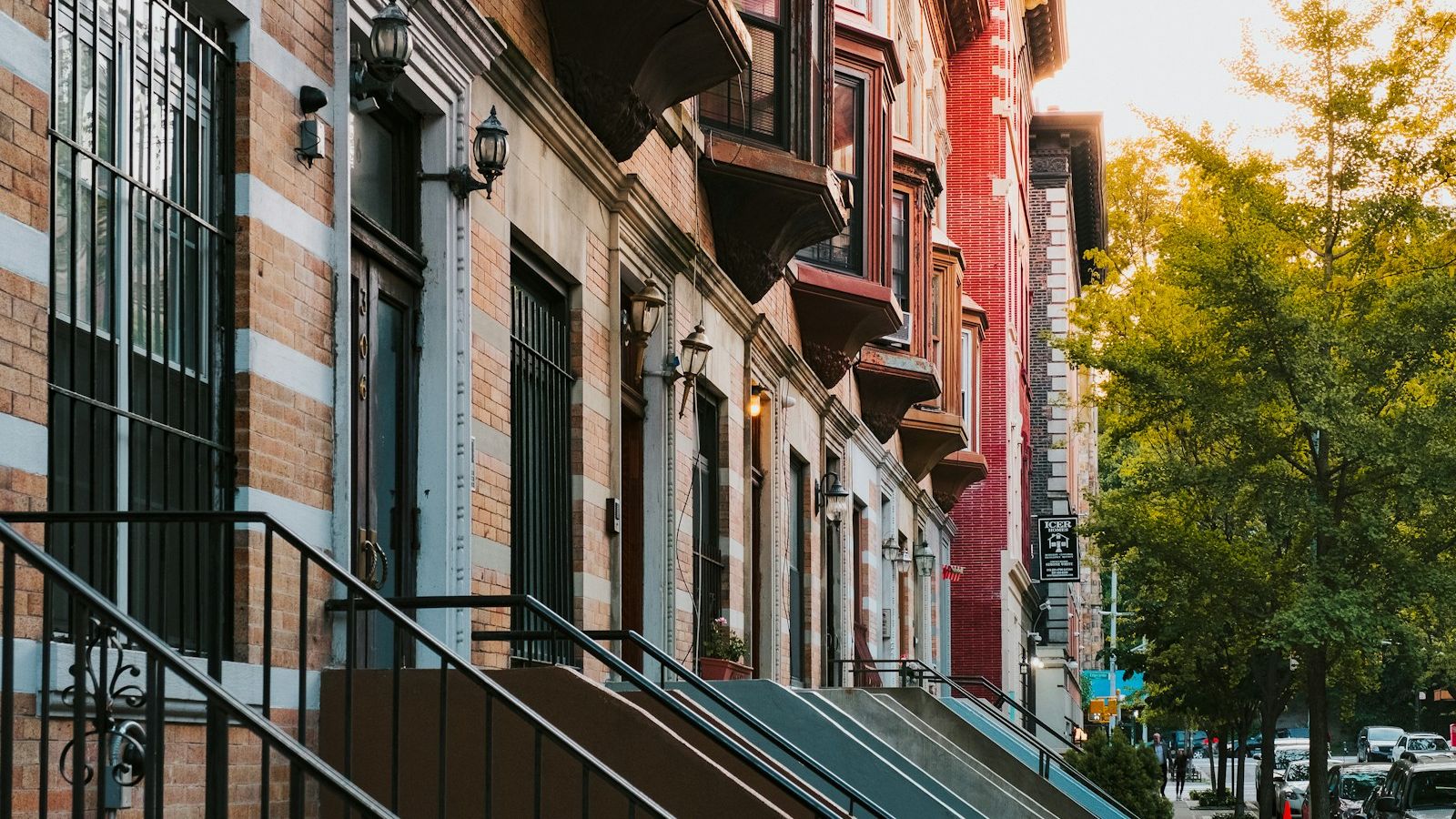
There is a stretch of East Harlem between 100th and 120th Street that has been known as El Barrio for more than a hundred years. It is not famous the way Times Square is famous. It is famous the way a heartbeat is famous — essential, rhythmic, and easy to take for granted.
A Neighborhood That Named Itself
El Barrio means “the neighborhood” in Spanish. The name is both simple and defiant — a community saying plainly: this is our place.
Puerto Rican migrants began arriving in East Harlem in significant numbers after World War I, drawn by affordable rents, factory work, and existing community ties. By the 1940s, this strip of northern Manhattan had become the largest Puerto Rican community in the United States.
The streets around 116th Street became the center of Nuyorican life — a word that fuses New York and Puerto Rican into something that is neither fully island nor fully mainland, but a third thing entirely. A New York thing.
The Sound That Went Around the World
In the 1960s and 70s, something was happening in the cramped apartments and corner clubs of El Barrio. Musicians were taking Cuban rhythms, Puerto Rican folk traditions, jazz improvisation, and the raw energy of New York streets and fusing them into something no one had heard before.
They called it salsa. The name means “sauce.” A mix. A blend. It was exactly the right word for it.
Eddie Palmieri played these blocks. The Fania All Stars, who became salsa’s defining act, were rooted in this community. Tito Puente — El Rey, the King — grew up in El Barrio and carried it with him everywhere he went. The music moved from East Harlem into Bronx nightclubs, then onto radio stations, then around the world. But its DNA was always here.
The Poets Who Rewrote American Literature
Music was not El Barrio’s only contribution to New York culture. In the early 1970s, a generation of writers began gathering in a converted storefront on East 3rd Street to perform poetry that was raw, bilingual, political, and deeply personal. They called themselves the Nuyorican Poets.
Miguel Piñero, Miguel Algarín, Pedro Pietri, and others wrote verse that mixed English and Spanish, street language and literary ambition, fury and joy in equal measure. Their work drew from the same East Harlem streets that had produced the salsa sound — and it hit with the same force.
The Nuyorican Poets Cafe became one of the most influential literary spaces in America. It is still running today in the East Village, still hosting voices that trace their lineage directly to El Barrio.
Enjoying this? Join New York lovers getting stories like this every week. Subscribe free →
La Marqueta — The Market Under the Tracks
Under the Park Avenue railroad viaduct that cuts through East Harlem, a covered market has existed in various forms since the 1930s. New Yorkers call it La Marqueta.
At its peak in the 1950s, La Marqueta stretched across five city blocks with hundreds of vendors selling plantains, yuca, Caribbean spices, handmade goods, and prepared food you simply could not find anywhere else in the city. It was loud, fragrant, and entirely its own world.
La Marqueta has contracted since those years. But it has not disappeared. The stalls that remain carry the same spirit — tropical produce, community connections, and a stubbornly local character that decades of development have not fully swallowed.
The Walls That Remember Everything
Walk through El Barrio today and the neighborhood’s history is painted directly on its walls. East Harlem has one of the highest concentrations of outdoor murals in New York City, a tradition that began in the 1970s when local artists transformed building facades into community records.
Some murals honor cultural figures — musicians, poets, and people who shaped the neighborhood across generations. Others are portraits of ordinary residents: faces that have looked out from these walls for fifty years. This gallery has no curator, no ticket price, and appears on no official tour. It is simply there, for anyone who walks slowly and looks up.
New York’s immigrant communities each carry their own version of this story. The Ukrainian enclave of East 7th Street has held its identity for a century and a half, while the island where 40 percent of Americans’ relatives first arrived tells the story of how this city was built, one family at a time.
El Barrio Today
East Harlem has changed. Rents have risen sharply. Long-term residents have relocated to the Bronx and beyond. New coffee shops and restaurants have arrived alongside the bodegas and botanicas that have stood for decades.
But El Barrio does not disappear quietly. The murals remain. Music still drifts from open windows on warm evenings. La Marqueta still operates, and community-led efforts continue to expand it. On 116th Street, you can still find the food, the sound, and the unmistakable energy that have defined this neighborhood for more than a hundred years.
To spend an afternoon in El Barrio is to stand inside one of New York’s most genuinely human stories — and to understand that this city has never belonged to just one kind of person. It has always belonged to whoever showed up and made something out of it.
You Might Also Enjoy
- Forty Percent of All Americans Have a Relative Who Stood on This Island
- The East Village Street That Has Been Ukrainian for 150 Years — and Still Is
- The Best Neighbourhoods in NYC for Tourists: Your Essential Planning Guide
Plan Your New York Trip
Ready to explore the neighborhoods that give New York its real character? Our New York City travel tips guide covers everything you need before you go — from neighborhoods to navigate to the things most visitors miss entirely.
Join New York Lovers
Every weekday morning, get New York’s hidden gems, neighbourhood stories, food origins, and city secrets — straight to your inbox.
Subscribe free — enter your email:
Love more? Join 65,000 Ireland lovers → · Join 43,000 Scotland lovers →
Free forever · Unsubscribe anytime
