
New York City is enormous — 8.3 million people, five boroughs, and more neighbourhoods than you can reasonably visit in a single trip. Knowing the best neighbourhoods in NYC before you arrive is one of the most important decisions you’ll make as a first-time visitor. Get it right, and you’ll fall in love with the city. Get it wrong, and you’ll spend your holiday stuck in tourist traps, wondering what all the fuss is about.
This guide cuts through the noise. The best neighbourhoods in NYC offer something distinct: authentic character, walkable streets, great food, and a sense that you’re genuinely experiencing the city — not just observing it from the outside. Whether you have three days or a full week, here’s how to navigate New York’s neighbourhoods like someone who actually knows the place.
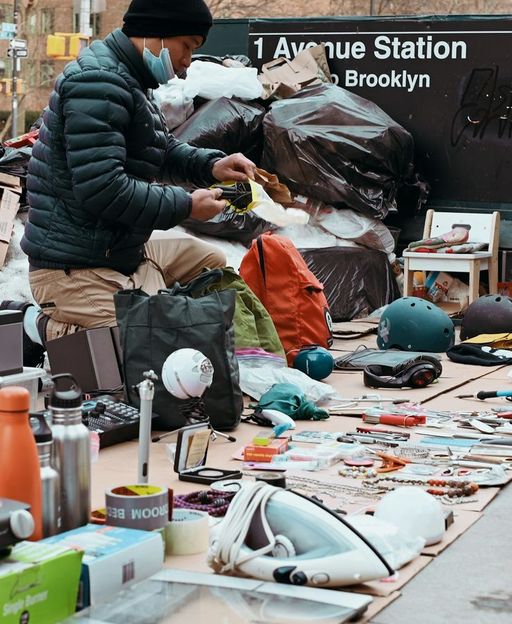
The Best Neighbourhoods in NYC: Manhattan
Manhattan is the borough most visitors picture when they think of New York. It’s where the skyscrapers are, where the energy is highest, and where most of the headline attractions live. But the best parts of Manhattan for tourists aren’t Times Square or Fifth Avenue — they’re the neighbourhoods that sit just off the tourist trail, each with its own distinct personality and pace.
Greenwich Village
If you could only walk one neighbourhood in New York, Greenwich Village would be a strong contender. Its winding streets — a deliberate defiance of the Manhattan grid — are lined with brownstones, independent bookshops, jazz clubs, and some of the city’s most beloved restaurants. The Village has been home to writers, musicians, and artists for more than a century, and it still carries that creative energy in every corner café and basement music venue.
Washington Square Park sits at its heart, lively at almost any hour. On a warm afternoon, you’ll find street performers, chess players, dog walkers, and tourists all sharing the same space in the way that only New York manages to make feel natural. The side streets heading west into the West Village are among the most beautiful in the entire city. For more of what this city has to offer beyond the obvious, take a look at our guide to hidden gems in NYC.
SoHo
SoHo — South of Houston Street — is one of the most visually striking neighbourhoods in the city. Its cast-iron architecture, cobblestone streets, and gallery-filled buildings give it a character that’s entirely its own. Today it’s home to a mix of high-end boutiques, independent designers, and art spaces that have made it one of the world’s most photographed urban districts.
It’s also one of the best places in the city for a weekend brunch. Come in the morning before the crowds arrive and you’ll understand exactly why so many people consider this the most beautiful neighbourhood in Manhattan. The area around Greene Street and Mercer Street is particularly worth exploring on foot.
Hell’s Kitchen
Hell’s Kitchen sits just west of Midtown, and it’s one of the most practical neighbourhoods for tourists who want to be close to the action without paying a fortune for accommodation or fighting midtown crowds every time they step outside. The food scene here is outstanding — this is one of the most diverse dining strips in the city, with restaurants representing dozens of cuisines packed along Ninth and Tenth Avenues.
After dark, it becomes one of the liveliest spots in the city, with a theatre crowd spilling out from nearby Broadway venues mixing with locals and visitors. It’s a neighbourhood that punches well above its weight for visitors, and one that many people discover late in a trip and wish they’d found sooner.
The Upper West Side
The Upper West Side is where New York slows down slightly — in the best possible way. Sitting between Central Park and the Hudson River, it’s a neighbourhood of independent bookshops, family-run coffee shops, and tree-lined streets. It’s ideal if you plan to spend time in the park or visiting the American Museum of Natural History, which sits right on Central Park West.
The neighbourhood has a distinctly local character, and wandering along Amsterdam Avenue or Broadway here feels genuinely unhurried compared with the rest of Manhattan. The Saturday Greenmarket at 77th Street is one of the city’s best, and the stretch of Broadway between 72nd and 86th Streets has enough independent restaurants, delis, and cafés to keep you occupied for several meals.
Love New York? Get the weekly newsletter.
Hidden gems, local stories, and travel tips delivered every week — free.
Brooklyn Neighbourhoods for Tourists
Brooklyn has been New York’s great discovery for visitors over the past two decades, and rightly so. If you’re planning a New York in 3 days itinerary, at least one of those days should cross the bridge. The borough is enormous and varied, but these three neighbourhoods are the ones that reward first-time visitors most reliably.
Williamsburg
Williamsburg is the neighbourhood that defined the New York cool of the 2000s, and it remains one of the most vibrant places in the city. Its waterfront offers some of the most dramatic views of the Manhattan skyline, particularly at sunset from Domino Park. The main drag along Bedford Avenue is lined with independent shops, coffee roasters, and restaurants, while the street art scene remains genuinely impressive.
It can feel busy at weekends, but even then it rewards wandering. The neighbourhood transitions gradually from the waterfront into more residential streets, and the further you walk from the L train, the more local and less visitor-facing it becomes. The Sunday flea market at Smorgasburg is one of the most popular food markets in the country for good reason.
Dumbo
Dumbo — Down Under the Manhattan Bridge Overpass — is one of the most photographed neighbourhoods in New York, and justifiably so. The view of the Manhattan Bridge framed by cobblestone streets and cast-iron buildings is unmistakably New York. But beyond the photo opportunity, Dumbo has developed into a genuinely interesting neighbourhood, with galleries, design studios, and excellent independent restaurants.
It’s compact enough to explore thoroughly in an afternoon and pairs perfectly with a walk across the Brooklyn Bridge from Manhattan. The Brooklyn Bridge Park, which runs along the waterfront, is one of the finest urban parks in the country, with sweeping views back to lower Manhattan and access to several small beaches and lawns.
Park Slope
Park Slope is the neighbourhood New Yorkers move to when they decide to stay. It’s quieter than Williamsburg, more residential than Dumbo, and centred on Prospect Park — Frederick Olmsted’s own favourite of the two great parks he designed (the other being Central Park). The streets are lined with magnificent brownstones, and the café culture along Fifth and Seventh Avenues is excellent.
If you want to understand what ordinary New York life looks like at its most comfortable, Park Slope is the answer. It’s also one of the best bases for exploring the rest of Brooklyn, with easy access to the Brooklyn Museum and the Brooklyn Botanic Garden. Our Brooklyn in 48 hours guide covers everything you need to know if you’re planning a dedicated Brooklyn day.
Queens: The Most Underrated Borough
Queens is where New York’s sheer cultural diversity becomes most tangible. It is one of the most ethnically diverse urban areas in the world, and that diversity shows up most clearly in the food. Most tourists skip Queens entirely, which means those who do visit it are rewarded with some of the most authentic and extraordinary dining experiences in the entire city.
Astoria
Astoria was historically New York’s Greek neighbourhood, and it retains that heritage beautifully in its cafés, bakeries, and tavernas along Ditmars Boulevard and 31st Street. Today it’s genuinely multicultural, with excellent Middle Eastern, Italian, South American, and Egyptian options alongside the Greek staples. It’s also easy to reach — a direct trip on the N or W train from Midtown Manhattan takes under 20 minutes.
The Museum of the Moving Image is one of the most underrated attractions in the city, with an outstanding collection dedicated to the history of film and television. The waterfront along the East River offers excellent views back to Manhattan, and the neighbourhood is lively and walkable in a way that feels entirely different from the Manhattan experience.
Flushing
Flushing is the destination for food-focused visitors who want to go beyond the Manhattan Chinatown experience. The food hall beneath the New World Mall is a revelation — dozens of vendors serving regional Chinese, Korean, and Taiwanese dishes at prices that feel impossible in this city. The neighbourhood is the largest Chinatown in New York by far, and the diversity of regional cuisines on offer is unmatched anywhere outside of Asia.
The neighbourhood is also home to Flushing Meadows-Corona Park, where the World’s Fair was held twice and where you’ll find the Unisphere — a twelve-storey steel globe that remains one of New York’s most unexpected and impressive landmarks. Our New York food guide has the full breakdown of where to eat across all five boroughs.
Harlem: Culture, History, and Soul Food
No neighbourhood guide to New York is complete without Harlem. The historic heart of Black American culture, Harlem has one of the most layered and fascinating histories in the city — and it’s experiencing one of its most vibrant periods, with a thriving restaurant scene, active arts community, and a sense of neighbourhood pride that is deeply felt by everyone who lives there.
For visitors, the experience of walking along 125th Street, catching live jazz at Shrine or Ginny’s Supper Club, or sitting down to a proper soul food brunch at one of the neighbourhood’s legendary spots is genuinely unlike anything else in the city. The Apollo Theatre remains one of the great cultural institutions in American history, and its guided tours give visitors an extraordinary sense of the music that shaped a century.
The neighbourhood’s food culture is extraordinary in its own right, and it deserves far more time than most visitors give it. If you’re looking for free experiences across the city, there’s plenty in Harlem too — our guide to free things to do in NYC includes some of the best no-cost options in the borough.
How to Choose the Right Neighbourhood for You
Choosing where to spend your time in New York comes down to what you’re looking for. Here’s a simple framework:
- First-time visitor with limited time: Base yourself in Greenwich Village or Hell’s Kitchen. You’ll be close to everything while still having a genuine neighbourhood to come home to each evening.
- Culture and food focus: Spend time in Harlem, Flushing, and Astoria. These are where New York’s most interesting culinary and cultural experiences are currently happening.
- Wanting the classic New York feel: Walk Williamsburg, cross the Brooklyn Bridge into Dumbo, and spend an afternoon in Park Slope. This is the New York that visitors fall in love with and can’t stop talking about.
- Prefer a slower pace: The Upper West Side and Park Slope both offer a more residential, quieter experience that can feel like a genuine respite from the city’s intensity.
- Travelling on a budget: Queens — and particularly Flushing and Astoria — offers the most extraordinary eating for the least money, and much of the neighbourhood life is entirely free to experience.
One practical note: resist the urge to try to cover everything. New York is a city that rewards depth over breadth. Two neighbourhoods explored properly will give you a far richer experience than six neighbourhoods glimpsed from a taxi window. Pick the ones that match what you love most, and walk them slowly.
Join 1,000+ New York Lovers
Every weekday morning, get New York’s hidden gems, local secrets, and travel inspiration — the kind you won’t find in any guidebook.
Subscribe free — enter your email:
Free forever · Unsubscribe anytime
Final Thoughts
The best thing about New York’s neighbourhood culture is that it rewards the curious. Every area has its own rhythm, its own regulars, and its own version of what New York actually is. The city is never one thing — it’s dozens of overlapping worlds, each one with as much character and history as an entire city elsewhere. Pick two or three neighbourhoods to explore properly rather than trying to tick off every borough, and give yourself the time to actually be in a place rather than just passing through it. That’s when New York starts to reveal itself.
