
Walk north on Broadway past 155th Street and the city changes register. The bodegas multiply. The music spills from apartment windows. Spanish — specifically Dominican Spanish, rapid and warm — fills the air. You haven’t left Manhattan. But you’ve arrived somewhere that feels entirely its own.
Washington Heights, the neighborhood that stretches from 155th Street to the tip of Manhattan, is home to the largest concentration of Dominican-Americans anywhere in the world outside the Dominican Republic itself. This isn’t a footnote to New York history. It’s one of the city’s great living stories.
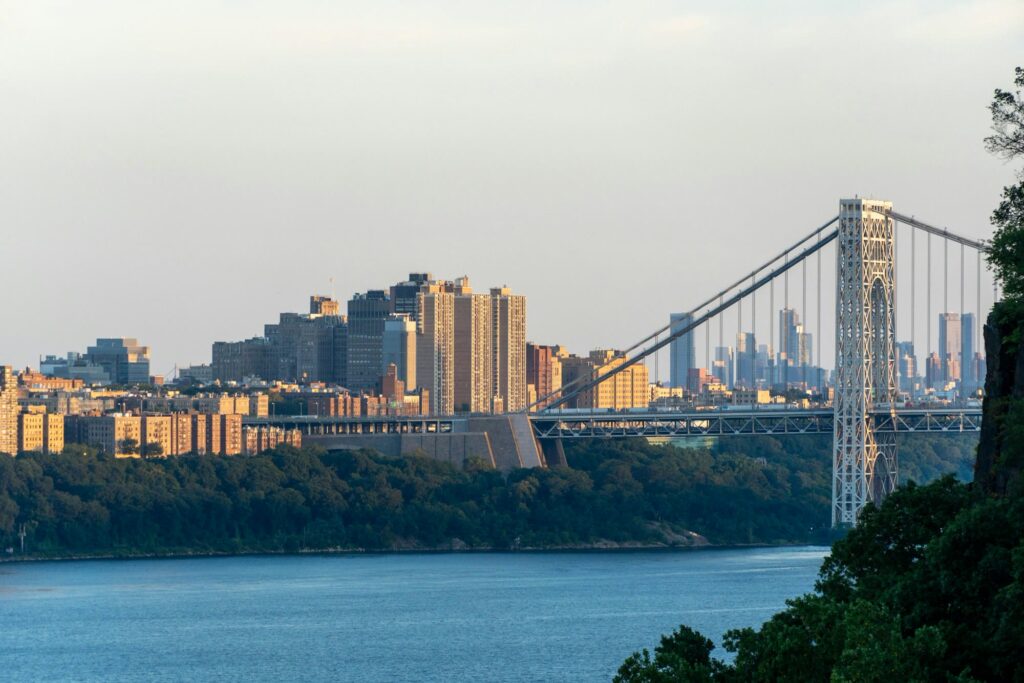
How Washington Heights Became Dominican
For most of the early twentieth century, Washington Heights was a mixed neighborhood of German, Jewish, and Irish residents. Its wide streets and grand apartment buildings attracted families who wanted space without leaving Manhattan. The George Washington Bridge, which opened in 1931, connected the neighborhood to New Jersey and made it feel like the edge of something bigger.
Then the 1960s happened.
Dominican immigrants began arriving in New York in large numbers after political upheaval changed life on the island. They came looking for work, for safety, for a foothold in a country that promised possibility. Washington Heights offered affordable rents and a community already forming. By the 1980s, the neighborhood had transformed completely. By the 1990s, it was the undisputed Dominican capital of North America.
“Quisqueya Heights”
Many residents don’t call it Washington Heights at all. They call it Quisqueya Heights — named for the Taíno word for Hispaniola, the island that is home to both Haiti and the Dominican Republic.
Using that name is a declaration. It says: we didn’t leave the island behind. We brought it with us.
That sense of identity runs through every block. You see it in the flags draped from fire escapes. You hear it in the music — merengue and bachata pouring from car windows and open apartment doors. You feel it in the way neighbors greet each other across the street, as if the whole block is one extended family.
What the Streets Say
On a weekend afternoon, Washington Heights runs on its own clock. Elderly men play dominoes at folding tables on the sidewalk, cups of coffee beside them. Women carry plantains and avocados in canvas bags from the market. Kids dart between bodegas. Barbershops are packed.
The bodega here is not just a convenience store — it’s a cultural institution. Some have been on the same corner for forty years, run by families who arrived with nothing and built something that feels permanent. They are the heartbeat of the neighborhood, open early and late, selling everything from rum to recao to lottery tickets.
If you’ve ever wondered what makes the New York bodega different from any other corner store, the answer runs deep into the city’s identity.
Enjoying this? Join New York lovers getting stories like this every week. Subscribe free →
The Food That Tells the Story
The food of Washington Heights is not fusion cuisine. It is not reinvented or modified for American tastes. It is simply Dominican cooking, the way it has always been done.
Mofongo — green plantains mashed with garlic and crispy pork — is the neighborhood’s comfort food. Sancocho, a hearty stew of meat and root vegetables, simmers low and slow in apartments across the Heights on Sunday mornings. Mangú, boiled mashed plantains with pickled red onions, arrives on breakfast plates before the rest of the city wakes up.
There are restaurants here that have been serving the same dishes for three decades. That’s not nostalgia — that’s mastery.
A Literary Neighborhood
Washington Heights produced Junot Díaz, the Pulitzer Prize-winning writer whose novels put Dominican-American identity at the center of American literature. His characters move between the Dominican Republic and the streets of New York, carrying two worlds inside them at once. Reading his work makes the neighborhood feel even more layered — like history you can walk through.
The neighborhood also has a strong visual art tradition. Murals run the length of some blocks, celebrating community, heritage, and the faces of people who built something here. You can spend an hour just walking slowly, reading the walls.
Why New Yorkers Who Leave Always Come Back
There’s a particular kind of love that people from Washington Heights have for their neighborhood. You see it in the way former residents talk about it — with the kind of wistfulness that comes from knowing you left something you can’t fully replicate elsewhere.
The neighborhood has changed in recent years, as rents have risen and new residents have arrived. But the core of it — the music, the food, the community, the pride — remains stubbornly itself.
That’s the thing about Washington Heights. It doesn’t shift to meet the city. The city shifts around it.
Getting there is simple: take the A train to 181st Street and walk south into the neighborhood, or cross the George Washington Bridge on foot and arrive with the whole Hudson Valley behind you. Come hungry. Come curious. Come ready to slow down a little.
Washington Heights doesn’t rush for anyone. And that, in a city that never stops moving, is its greatest gift.
You Might Also Enjoy
- Why Every Real New Yorker Has a Bodega They Would Never Trade for a Whole Foods
- The Neighborhood New Yorkers Call El Barrio — and the Sound That Came Out of It
- The Best Neighbourhoods in NYC for Tourists: Your Essential Planning Guide
Plan Your New York Trip
Ready to explore the real New York? Our complete NYC travel tips guide covers everything you need to know before you go — from neighborhoods to navigate to the logistics that make the difference between a good trip and a great one.
Join New York Lovers
Every weekday morning, get New York’s lesser-known corners, neighborhood stories, food origins, and city secrets — straight to your inbox.
Subscribe free — enter your email:
Free forever · Unsubscribe anytime
