
In 1920, the United States banned alcohol. New York City responded by opening more bars than it had ever had before.
By the mid-1920s, New York had somewhere around 30,000 illegal drinking establishments — roughly twice the number of legal saloons that existed before the ban. They were hidden behind flower shops, inside laundries, beneath restaurants, and down the back stairs of brownstones.
The law changed everything about how New York drank. It made drinking better.
The Architecture of a Secret
The speakeasy was a physical problem to solve. You needed a building that looked unremarkable, an entrance that revealed nothing, and a way to get paying customers inside without attracting the wrong kind of attention.
Solutions proliferated. Some establishments required a password — whispered through a small slot in a reinforced door. Others used a moveable panel in the back of a closet, or a grocery store as a front. Patrons who knew where to look walked through the “wrong” door and found a full bar on the other side.
Chumley’s, on Bedford Street in the West Village, became one of the city’s most famous speakeasies. It had two entrances and no sign, and the phrase “86 it” — meaning to use the back exit when police raided — is said to have originated there. The bar still operates today. There is still no sign outside.
What Changed When Drinking Went Underground
Before Prohibition, New York’s saloons were mostly male-only. They were working-class institutions, organized by neighborhood and ethnicity, and rigidly separated by class.
The speakeasy changed the clientele. When drinking became illegal, it also became glamorous. Wealthy socialites sat next to jazz musicians. Women — rarely welcome in pre-Prohibition saloons — became a significant part of the crowd. The social mixing that happened in the speakeasies of Greenwich Village and Harlem was without precedent in New York life.
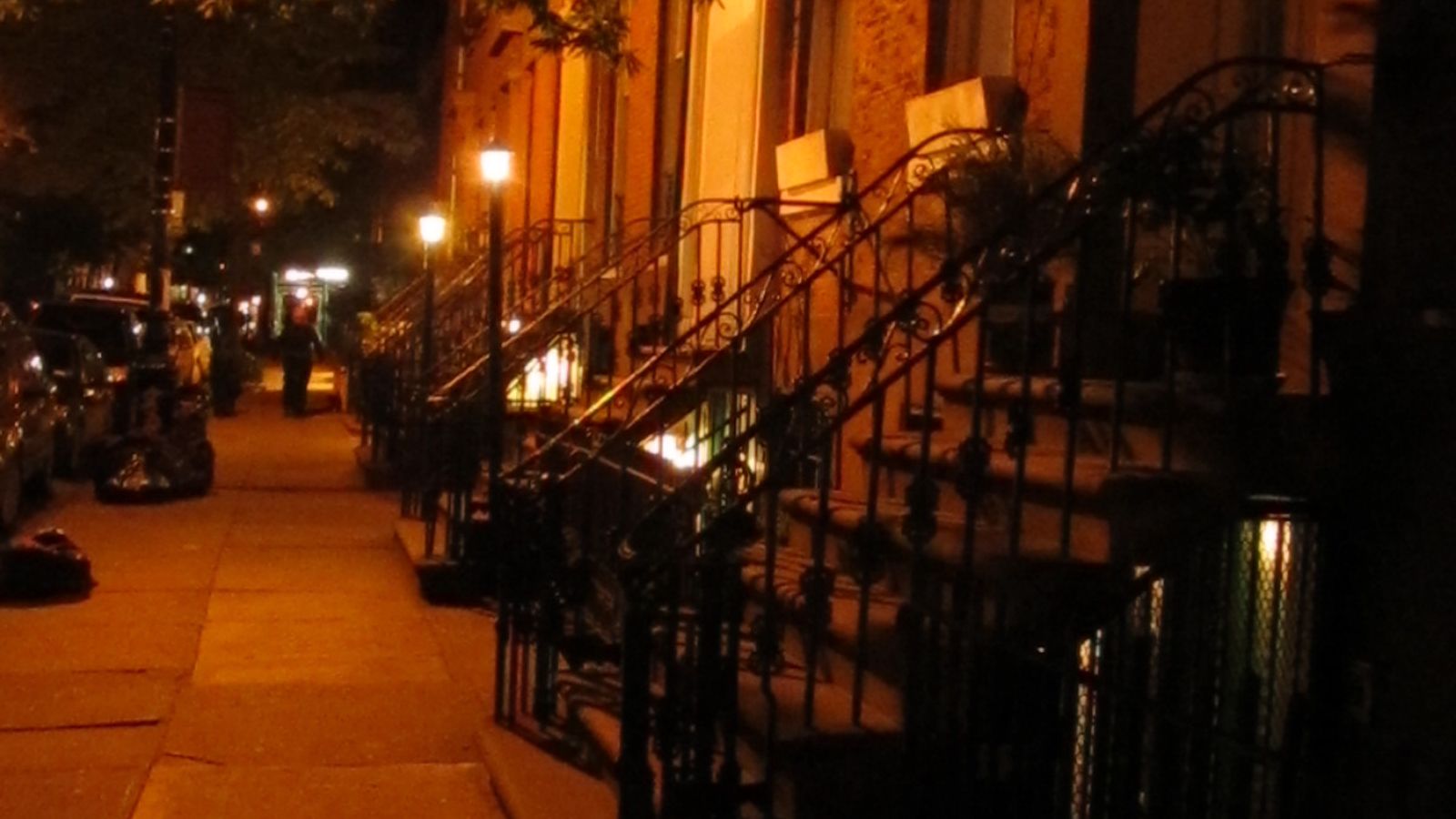
You can still feel this era on foot. Greenwich Village has blocks that look almost exactly as they did in the 1920s — narrow streets, low brownstones, iron railings — and the sense that something interesting might be happening behind the next door.
The Jazz Connection
The speakeasy needed something to keep people spending money after their first drink. Music worked.
Jazz was new, electric, and happening in rooms that weren’t supposed to exist. Harlem’s underground musical scene and the speakeasy world fed each other directly — both were products of the same creative energy that emerged when the authorities looked the other way.
The result was an unlikely marriage of downtown money and uptown rhythm. New York’s nightlife has never fully separated the two since.
Enjoying this? Join New York lovers getting stories like this every week. Subscribe free →
The Cocktail Was Born Here
Before 1920, the most common drink in a New York saloon was beer. The bootleg liquor that flowed through speakeasies was often rough and unreliable — the product of improvised stills and hasty production. Bartenders learned to hide the taste.
They mixed gin with grapefruit juice. They added vermouth, bitters, citrus. They invented the bee’s knees, the sidecar, the French 75. The American cocktail as we know it — carefully balanced, deliberately composed — emerged directly from the need to make bad alcohol taste like something worth paying for.
The West Village still carries the memory of this era. The White Horse Tavern, which opened in 1880, stands in a neighborhood thick with the legacy of underground drinking. The low brick buildings, the unmarked doors, the streets that reward people who are looking for something specific.
What the Speakeasies Left Behind
Prohibition ended in 1933. Most of the 30,000 establishments closed or went legal overnight.
But they left something. New York’s drinking culture after Repeal was fundamentally different from what had come before. It was mixed-gender, mixed-class, jazz-adjacent, and cocktail-oriented — all of it tracing directly to thirteen years of illegal bars.
The speakeasy also left an idea: that the best bar in New York might not be the most obvious one. Walk past a plain door on a quiet Village street. Notice whether there’s a light on below ground level. The city still rewards people who look for what isn’t being advertised.
A lot of what makes New York feel like New York has roots harder to see than the skyline. The underground bars of the 1920s shaped the city’s social life, its music, its cocktail culture, and its appetite for secrets.
The law that was supposed to end drinking in New York didn’t. It just made it more interesting.
You Might Also Enjoy
- The Tiny Basement on Seventh Avenue Where Jazz History Is Still Being Made
- How Harlem Turned Rent Day Into a Revolution One Saturday Night at a Time
- Why the Four Years of Studio 54 Changed How the Entire World Goes Out at Night
Plan Your New York Trip
Everything you need to know before visiting New York City — from neighborhoods and getting around to the insider tips that make a trip genuinely better.
Join New York Lovers
Every weekday morning, get New York’s hidden gems, neighbourhood stories, food origins, and city secrets — straight to your inbox.
Subscribe free — enter your email:
Love more? Join 65,000 Ireland lovers → · Join 43,000 Scotland lovers →
Free forever · · Unsubscribe anytime
