
There is a park in Manhattan that you cannot enter. It sits near the intersection of Lexington Avenue and 20th Street, surrounded by some of the most gracious brownstones in the city, and its iron gates are almost always locked. Gramercy Park is the only private park left in New York City — and unless you live on the right block, you are not getting in.
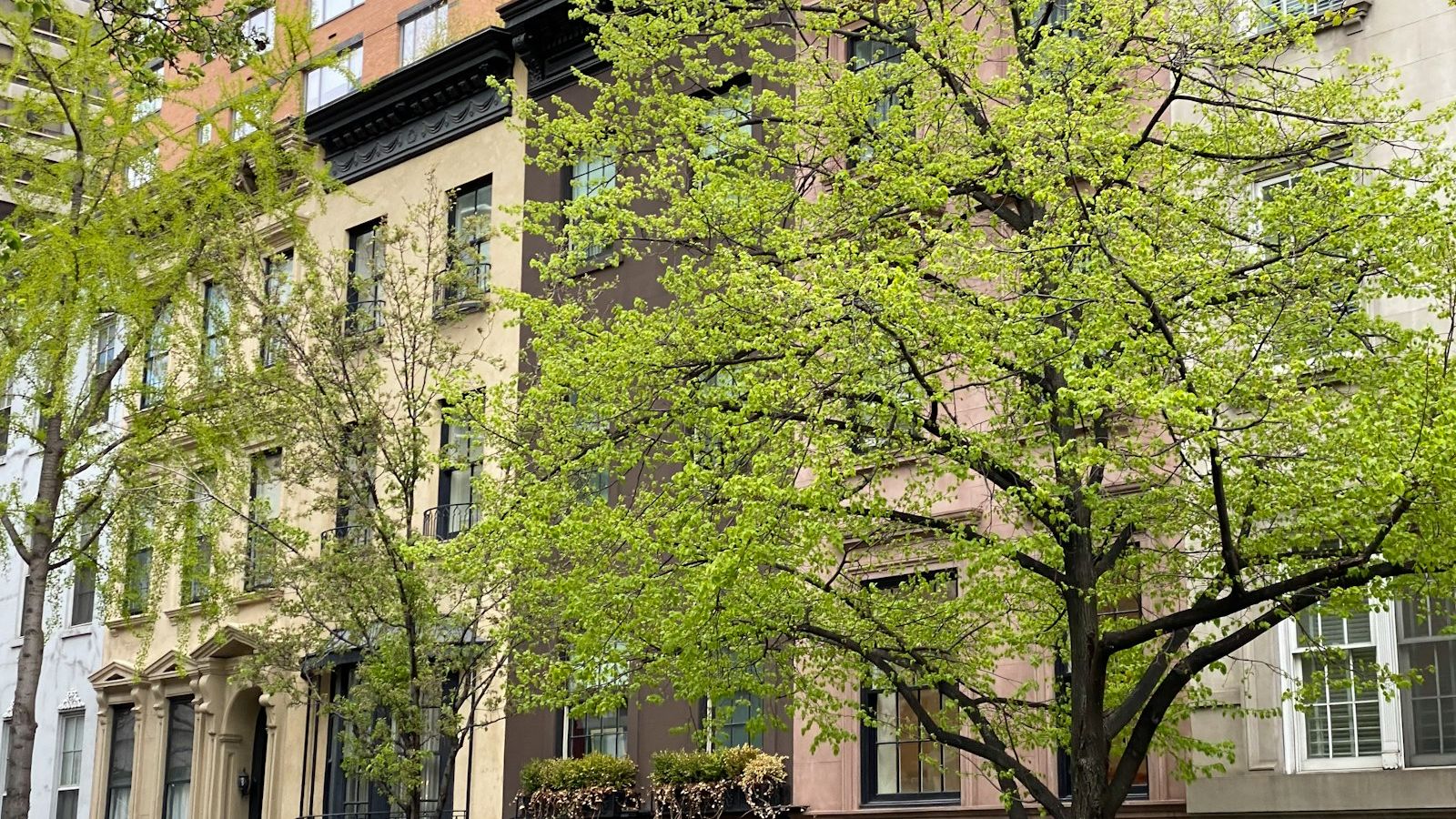
A Real Estate Idea That Outlasted Everything Around It
Gramercy Park was created in 1831 by Samuel Ruggles, a developer who drained a swampy piece of land just north of what was then the northern edge of the settled city. He laid out 66 lots around a two-acre green and sold them with one condition: only the residents of the surrounding buildings could use the park.
The formula worked. At a time when Manhattan’s streets were crowded, noisy, and not especially pleasant to be in, the promise of a private garden was a serious selling point. Within a decade, Gramercy had become one of the most desirable addresses in the city.
Nearly two centuries later, it still is. The formula has never been changed.
Fewer Than 400 Keys in Existence
Each eligible building around the park receives a small number of iron keys. There are fewer than 400 in existence at any one time. They are heavy, ornate, and taken seriously by the people who hold them. Lose yours, and the process of replacing it is not straightforward.
Residents pay an annual fee to maintain their access — and the park itself is maintained by the surrounding buildings collectively. The lawns, the benches, the trees, the old iron fountain at its center. Nothing about Gramercy Park has been left to chance or to the city.
New York City has one of the world’s most elaborate public park systems. Gramercy Park wants no part of it. It has its own board, its own budget, and its own rules. It has operated this way since before the Civil War.
The People Who Have Walked Through Those Gates
The buildings surrounding Gramercy Park have housed an extraordinary cast of New Yorkers over the years. Edwin Booth — one of the greatest stage actors of the 19th century and the brother of John Wilkes Booth — lived on the park’s south side. He helped found the Players Club there, a private arts club that still occupies the building today and still looks out onto those locked gates.
The National Arts Club, founded in 1898, operates from a Gothic Revival mansion on the park’s southern edge. Its building alone is worth the trip to the neighborhood, even if you can only admire it from the sidewalk. Stanford White, the most celebrated architect of the Gilded Age, once lived here. So did various politicians, writers, and painters who wanted a Manhattan address that came with a view of something green.
That list of residents, accumulated over almost two centuries, reads like a compressed history of New York cultural life. And the park, indifferent to all of them, simply kept its gates locked.
Enjoying this? Join New York lovers getting stories like this every week. Subscribe free →
The One Night the Gates Open
Once a year, on Christmas Eve, Gramercy Park opens to everyone.
For a few hours in the afternoon, the neighborhood association unlocks the gates and invites the public inside. People who have walked past those iron bars for years — tourists, longtime New Yorkers who have always been curious — finally get to step through.
It is a small space by any standard. The park is not large, the trees are not dramatic, and there is no sweeping skyline view. But standing inside that quiet square on a December afternoon, with candlelit windows on all sides and the brownstones of one of the oldest neighborhoods in the city rising around you, feels like entering a version of New York that most people never get to see. If you are in the city at Christmas, go.
What the Locked Gate Actually Means
Manhattan is not a place that typically apologizes for wealth. But Gramercy Park’s exclusivity feels different from a members’ club or a rooftop bar. It is quieter than that, and older.
The park has been private since 1831. It was private during the Civil War and the Great Depression. It stayed private through every wave of development, demolition, and reinvention the city has gone through. It has not been opened up, sold, converted, or turned into something else. It has not been absorbed into the public park system, despite being entirely surrounded by a public city. It simply continues to exist on its own terms, in the middle of everything.
You can find more of New York’s hidden courtyards and private green spaces scattered across the city’s busiest blocks — but Gramercy is the original. The one that set the precedent and has never felt the need to explain itself.
In a city that knocks things down and builds them up again every ten years, that kind of stubbornness is its own form of achievement.
How to Visit — From the Outside
You cannot enter Gramercy Park. But the walk around it is genuinely worth making. The buildings that ring the park are among the finest examples of 19th-century residential architecture in Manhattan. The Players Club at 16 Gramercy Park South. The National Arts Club at number 15. The old townhouses on the east and west sides, many of which have barely changed their facades since the 1840s.
If you walk the perimeter slowly, you get a real sense of what the neighborhood looked like when it was built — and what it still looks like today, despite everything that has happened around it. That continuity, in New York, is rare enough to feel almost miraculous. If you love hidden corners of New York that most visitors walk straight past, this is one of the best.
Come in December if you can. And if you happen to be here on Christmas Eve afternoon, you might finally get to see what is behind that gate.
You Might Also Enjoy
- The Secret Courtyards Hiding Right in the Middle of New York City’s Busiest Blocks
- Hidden Gems in NYC: The New York Most Tourists Never See
Plan Your New York Trip
Ready to explore the city? Our complete New York City travel guide covers everything you need to know before you go — neighborhoods, transport, timing, and the insider details that make the difference.
Join New York Lovers
Every weekday morning, get New York’s hidden gems, neighbourhood stories, food origins, and city secrets — straight to your inbox.
Subscribe free — enter your email:
Love more? Join 65,000 Ireland lovers → · Join 43,000 Scotland lovers →
Free forever · Unsubscribe anytime
