
Frederick Law Olmsted designed Central Park. Fifty million people visit it every year. Then he designed another park — just a subway ride away in Brooklyn — and said he liked it better. Almost nobody outside the borough knows its name.
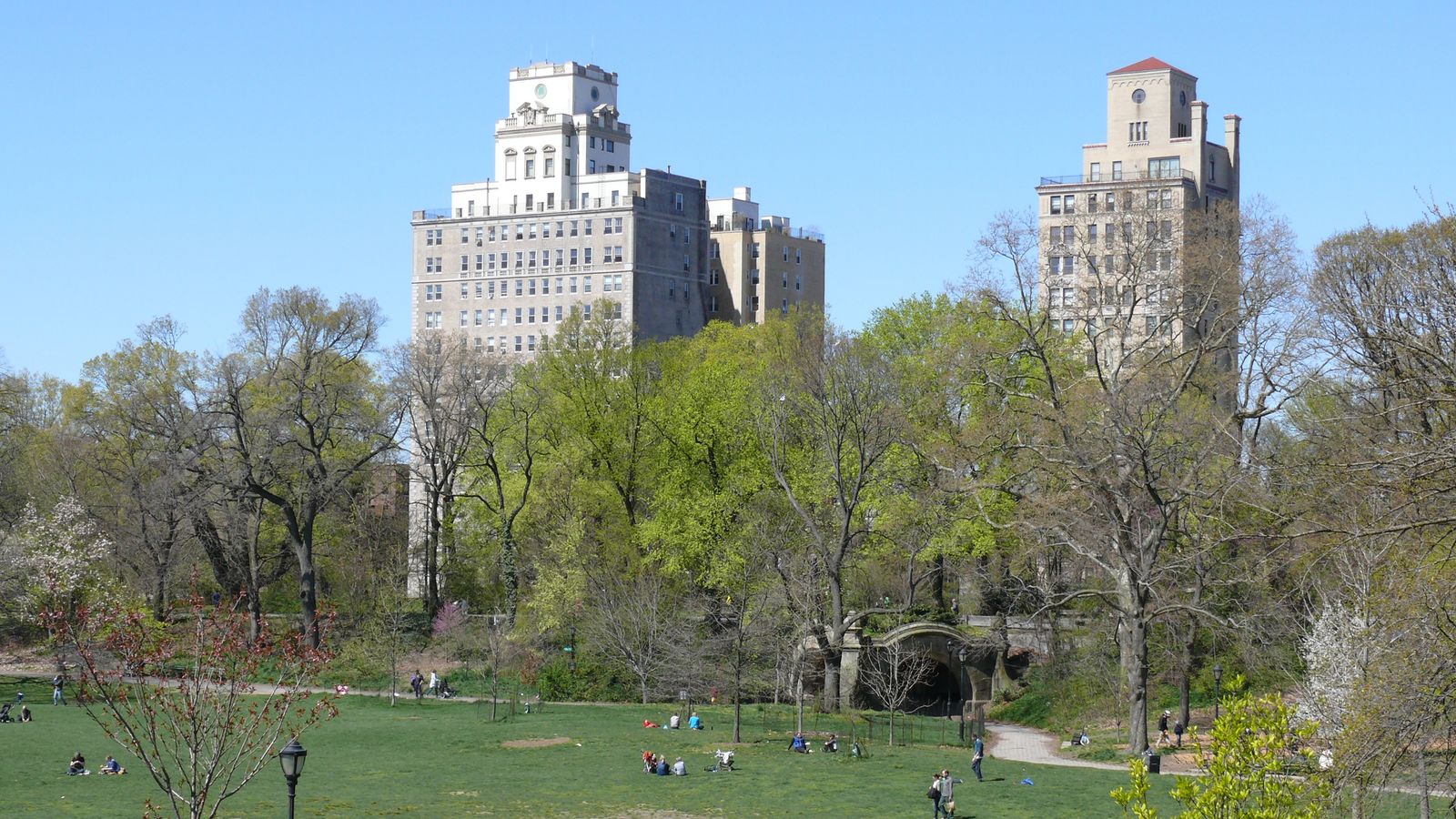
The Man Who Built America’s Greatest Parks — and Had a Favorite
Frederick Law Olmsted is the father of American landscape design. His name is synonymous with Central Park, the 843-acre masterpiece that defines Manhattan’s relationship with nature. But Olmsted himself told a different story.
When he reflected on his career, Olmsted pointed to Prospect Park in Brooklyn as his finer achievement. The reason was simple: Central Park was a compromise.
In Manhattan, Olmsted inherited a long, narrow rectangle hemmed in by the city grid. He had to route transverse roads through it. He worked around existing structures. The park was shaped by everything the city demanded of it.
In Brooklyn, he started with a cleaner canvas.
The Park That Gave Olmsted Room to Dream
Prospect Park covers 585 acres in the heart of Brooklyn. Olmsted began designing it in 1866 with his longtime partner Calvert Vaux — the same duo behind Central Park, but a decade wiser and working with a far more generous brief.
This time, he shaped the landscape rather than the other way around. He carved hills, redirected water, planted meadows, and created a woodland that felt genuinely wild. He designed entry arches so that when visitors walked through the gates, the city disappeared almost immediately.
The effect still works today. Step through the Endale Arch on Flatbush Avenue and the Brooklyn skyline vanishes. You are standing, suddenly, in something that feels like the countryside — surrounded by one of Brooklyn’s most quietly beautiful neighborhoods.
The Long Meadow
The park’s centerpiece is the Long Meadow — a sweep of open grassland stretching more than a mile without a single building, road, or interruption in sight. Olmsted believed that open space was essential to mental recovery, that city residents needed somewhere their eyes could truly rest.
On a Sunday morning in spring, the Long Meadow fills with soccer leagues, frisbee players, dog walkers, and families spreading out picnic blankets. It is one of the longest uninterrupted meadows in any American urban park.
It is also almost entirely unknown to first-time visitors to New York City.
Enjoying this? Join New York lovers getting stories like this every week. Subscribe free →
The Only Forest Left in Brooklyn
Deep inside Prospect Park lies the Ravine — a wooded hollow with a stream running through it, crossed by stone bridges and lined with a tree canopy so thick the sky almost disappears.
This is the only remaining forest in Brooklyn. Not a patch of trees. A forest, with layers of understory, birdsong at every level, and trails that lose you completely inside a borough of 2.6 million people.
Birders from across the Northeast come here during migration season. The park sits on the Atlantic Flyway, one of North America’s major migratory corridors. In spring, the Ravine fills with warblers, tanagers, and thrushes stopping to rest before crossing open water on their journey north.
A Building That Stops You in Your Tracks
At the edge of Prospect Park Lake stands the Boathouse — a Beaux-Arts pavilion built in 1905, its white terracotta arches reflected perfectly in the still water below. On weekends, people rent pedal boats and drift beneath the willows. The building is beautifully preserved.
There is no line.
In Central Park, the equivalent experience involves a wait and a crowd. Here, you simply arrive. That’s true of most things in Prospect Park — the benches, the picnic spots, the views across the water. You get them without having to compete for them.
Brooklyn Kept This to Themselves
Part of Prospect Park’s appeal is precisely that most tourists skip it.
The park belongs, in a way that Central Park has long stopped belonging, to the people who live around it. The regulars know which picnic spots catch shade in the afternoon. They know when the first ice cream cart appears after winter. They know the footpaths by feel.
Coming here as a visitor feels less like checking off a landmark and more like being let in on something. If you’re spending more than a day or two in the city, spring and early fall are when Brooklyn’s parks are at their finest — warm enough to wander, cool enough to linger.
Olmsted understood something about this when he chose the Brooklyn site. He wanted to build a park that worked for people who needed it, not just for people passing through. He built it. And then the world forgot to notice.
Some of New York’s best things require a subway ride and an open afternoon. Prospect Park is one of them. Go on a weekday, when the Long Meadow is nearly empty, and you will understand exactly what he meant.
You Might Also Enjoy
- The Brooklyn Brownstone Was Never Meant to Be Iconic. Nobody Told Brooklyn.
- The Locked Park in the Heart of Manhattan That Has Been Private for 200 Years
- The Brooklyn Neighborhood That Accidentally Changed the Way Cities Look and Feel
Plan Your New York Trip
Wondering when to go, what to pack, or how many days you’ll need? Our season-by-season guide to visiting New York City covers every month of the year so you can plan the trip that’s right for you.
Join New York Lovers
Every weekday morning, get New York’s hidden gems, neighbourhood stories, food origins, and city secrets — straight to your inbox.
Subscribe free — enter your email:
Love more? Join 65,000 Ireland lovers → · Join 43,000 Scotland lovers →
Free forever · Unsubscribe anytime

Subscribe Free