
In 1914, a real estate company bought a stretch of farmland in central Queens and began building something New York had never seen: a planned garden community with Tudor-style courtyard apartments, manicured lawns, and deed restrictions that explicitly banned Jewish residents, Eastern European immigrants, and anyone else the developers considered undesirable.
It didn’t work out the way they planned.
Today, Jackson Heights is officially the most linguistically diverse urban neighborhood on earth. More than 160 languages are spoken within a single zip code. Columbia University researchers called it the most linguistically diverse place of its size anywhere on the planet. The story of how that reversal happened is one of New York’s most quietly extraordinary.
A Neighborhood Designed for One Kind of New Yorker
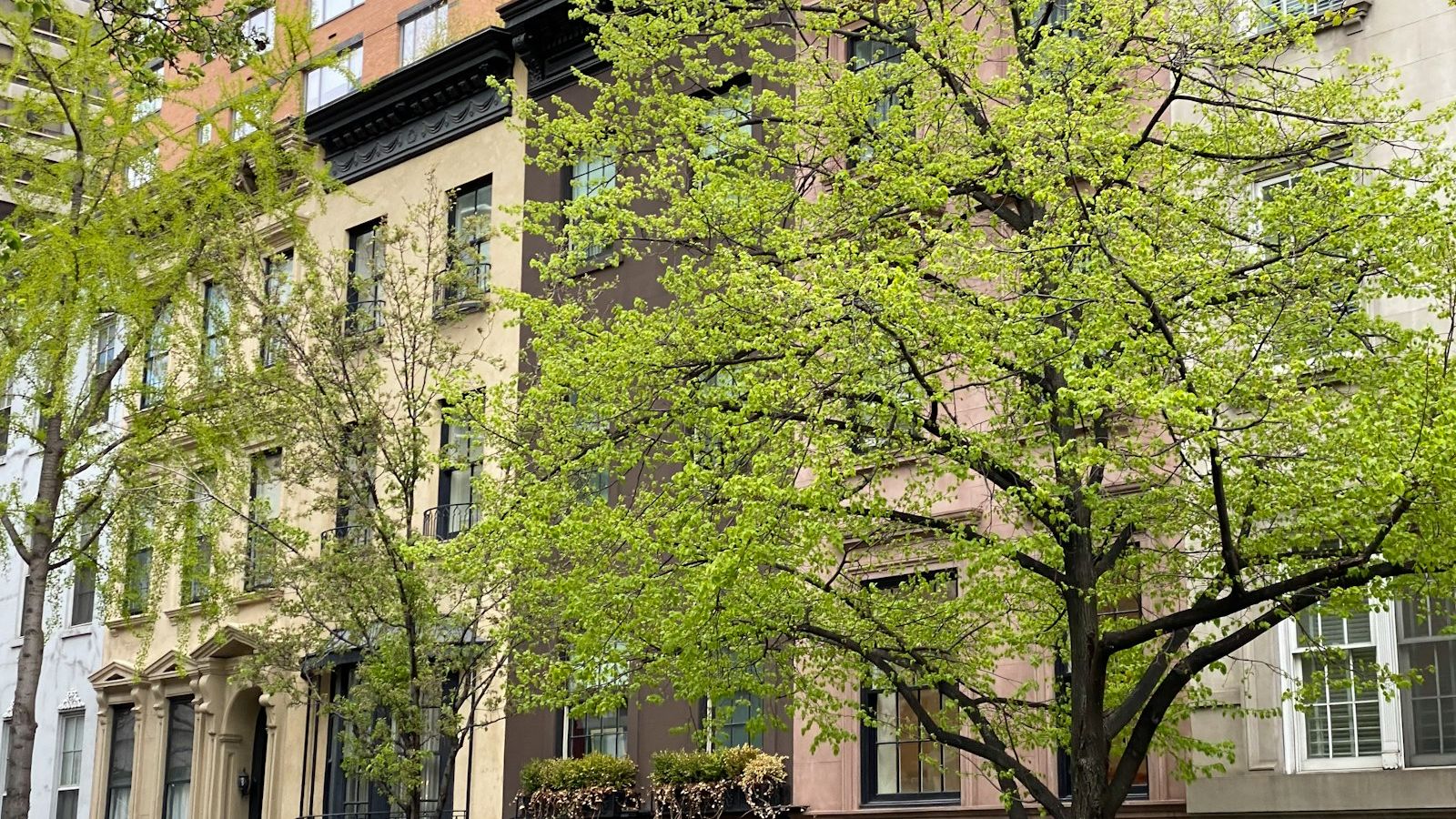
The Queensboro Corporation launched Jackson Heights as an upscale suburb for white Protestant professionals commuting to Midtown. The architects drew from the English garden city movement — buildings arranged around shared private courtyards, with ornate facades, Gothic details, and English street names like Linden Place and 77th Street.
It was visually lovely and socially exclusive. Deed restrictions prohibited buyers and renters from groups the developers deemed undesirable. For two decades, it worked. The 7 train gave Midtown access in under 30 minutes, and Jackson Heights attracted exactly the aspirational middle-class residents it was built for.
Then the war ended, the courts ruled, and the city changed.
How the Whole World Moved In
After World War II, restrictive covenants began to fall. Legal challenges and federal civil rights legislation made racial and ethnic housing restrictions unenforceable. By the 1960s, Jackson Heights was open to anyone who could pay the rent — and its excellent transit, large apartments, and reasonable prices made it a destination.
Colombians arrived first, many in the late 1950s and 1960s, drawn by New York’s labor market. They settled along Roosevelt Avenue and turned stretches of the neighborhood into Little Colombia, complete with bakeries, social clubs, and restaurants serving arepas and bandeja paisa. On summer evenings, the sound of cumbia drifted from open windows.
Then came South Asians. The Immigration and Nationality Act of 1965 opened American borders to immigrants from Asia, and Indian, Pakistani, and Bangladeshi families began arriving in large numbers. They found Jackson Heights affordable and welcoming, and transformed 74th Street into a corridor of gold jewelry shops, sari boutiques, and restaurants representing nearly every region of the subcontinent.
Tibetan refugees came next, then Mexicans, Ecuadorians, Nepalis. Layer by layer, Jackson Heights became the neighborhood you find today: a single zip code where Hindi, Spanish, Bengali, Tibetan, and Nepali can be heard within the same block.
Enjoying this? Join New York lovers getting stories like this every week. Subscribe free →
The Food Alone Is Worth the Subway Ride
Ask any serious New York eater where to find the city’s best Indian street food, and they’ll say Jackson Heights without hesitation. On 74th Street, tiny storefronts sell chaat — the tangy, crunchy snacks of South Asian street food — that rival anything served in Mumbai or Delhi. Whole restaurants represent specific regions: Hyderabadi biryani, Bangladeshi hilsa curry, Pakistani nihari slow-cooked for hours overnight.
Across Roosevelt Avenue, Colombian bakeries turn out pan de bono before dawn. Ecuadorian restaurants plate seco de pollo over white rice. There are Tibetan spots hand-folding momos — small dumplings filled with yak meat or vegetables — and Mexican taquerias where tortillas are made fresh to order. Afghan kabob shops sit next to Nepali teahouses.
Eating your way through Jackson Heights costs almost nothing and takes an entire afternoon. It may be the single greatest food value experience in New York City.
The 7 Train as a Map of the World
Locals call the 7 train the International Express, and the name fits. From Times Square, the elevated line passes through a panorama of immigrant communities: Long Island City, Woodside’s Filipino and Irish neighborhoods, Sunnyside’s Turkish cafes, and then Jackson Heights, before continuing east to Flushing — where you can spend an entire day immersed in Korean culture just a few stops further down the line.
The 7 runs elevated through most of Queens, and from the platform at 74th Street, you look down at Roosevelt Avenue — a corridor of signs in Spanish, Hindi, Bengali, and Tibetan, stacked together under the shadow of the train tracks above. It’s one of the great overlooked views in New York, and almost no tourist ever sees it.
What the Courtyard Buildings Remember
The garden apartments of Jackson Heights still stand. The Chateau, the Towers, Linden Court — these cooperative buildings with their landscaped inner courtyards are now on the National Register of Historic Places. Walk through one of the wrought-iron gates and you’ll find something unexpected: peaceful, gardened spaces completely invisible from the street, shared by residents whose families came from every continent.
The buildings built to exclude immigrants are now lovingly maintained by their descendants. Jackson Heights became, entirely by accident, one of the most successful examples of urban integration in America — a neighborhood that held onto its architecture while transforming everything about who it belongs to.
Queens has this quality throughout. Astoria has kept its Greek identity for over a century, just a few miles north. And in Manhattan, Washington Heights preserved Dominican culture so completely that locals joke the Dominican Republic opened a New York branch. Jackson Heights is the place where every culture arrived at once — and somehow found room for each other.
Frequently Asked Questions About Jackson Heights
What is the best time to visit Jackson Heights in New York?
Jackson Heights is best visited on a weekend, when the street life along Roosevelt Avenue and 74th Street is at its liveliest. Spring and summer bring the most energy, with outdoor vendors and open-window restaurants making the neighborhood feel most alive.
How do I get to Jackson Heights from Manhattan?
Take the 7 train to the 74th Street–Broadway–Jackson Heights station. From Times Square, the journey takes about 25 to 30 minutes — and the elevated ride over Queens is worth taking just for the views.
What food is Jackson Heights most famous for?
Jackson Heights is best known for its South Asian food scene, particularly the chaat vendors and Indian restaurants along 74th Street. But the neighborhood also has exceptional Colombian, Bangladeshi, Mexican, Ecuadorian, Tibetan, and Nepali food — often on the same block.
Is Jackson Heights worth visiting for tourists?
Absolutely. Jackson Heights offers a genuine, lived-in slice of New York that most tourists never find. The food is extraordinary, the street life is fascinating, and the historic courtyard apartment buildings are some of the most beautiful residential architecture in Queens.
You Might Also Enjoy
- The Queens neighborhood where Greek has been spoken every day for 100 years
- The New York neighborhood where you can disappear into Korea for a day
- The Manhattan neighborhood where the Dominican Republic never left
Plan Your New York Trip
Ready to explore Queens and beyond? Our New York City 5-day itinerary covers the best of all five boroughs, with practical tips to help you make the most of every day in the city.
There’s something unmistakably New York about what happened to Jackson Heights. A neighborhood built on exclusion became the most inclusive zip code on earth. A community designed for one kind of city was quietly claimed by the whole world — and most of New York has no idea it’s there. That’s part of the appeal. Go find it for yourself.
Join 1,100+ New York Lovers
Every weekday morning, get New York’s hidden gems, neighbourhood stories, food origins, and city secrets — straight to your inbox.
Subscribe free — enter your email:
Love more? Join 65,000 Ireland lovers → · Join 43,000 Scotland lovers →
Free forever · Unsubscribe anytime

Subscribe Free