
Step off the 7 train at Flushing–Main Street, and something happens to the city around you. The signs shift from English to Korean and Mandarin. The smell of grilling meat drifts up from below street level. Entire city blocks feel like they’ve been lifted from Seoul and set down, gently, in Queens.
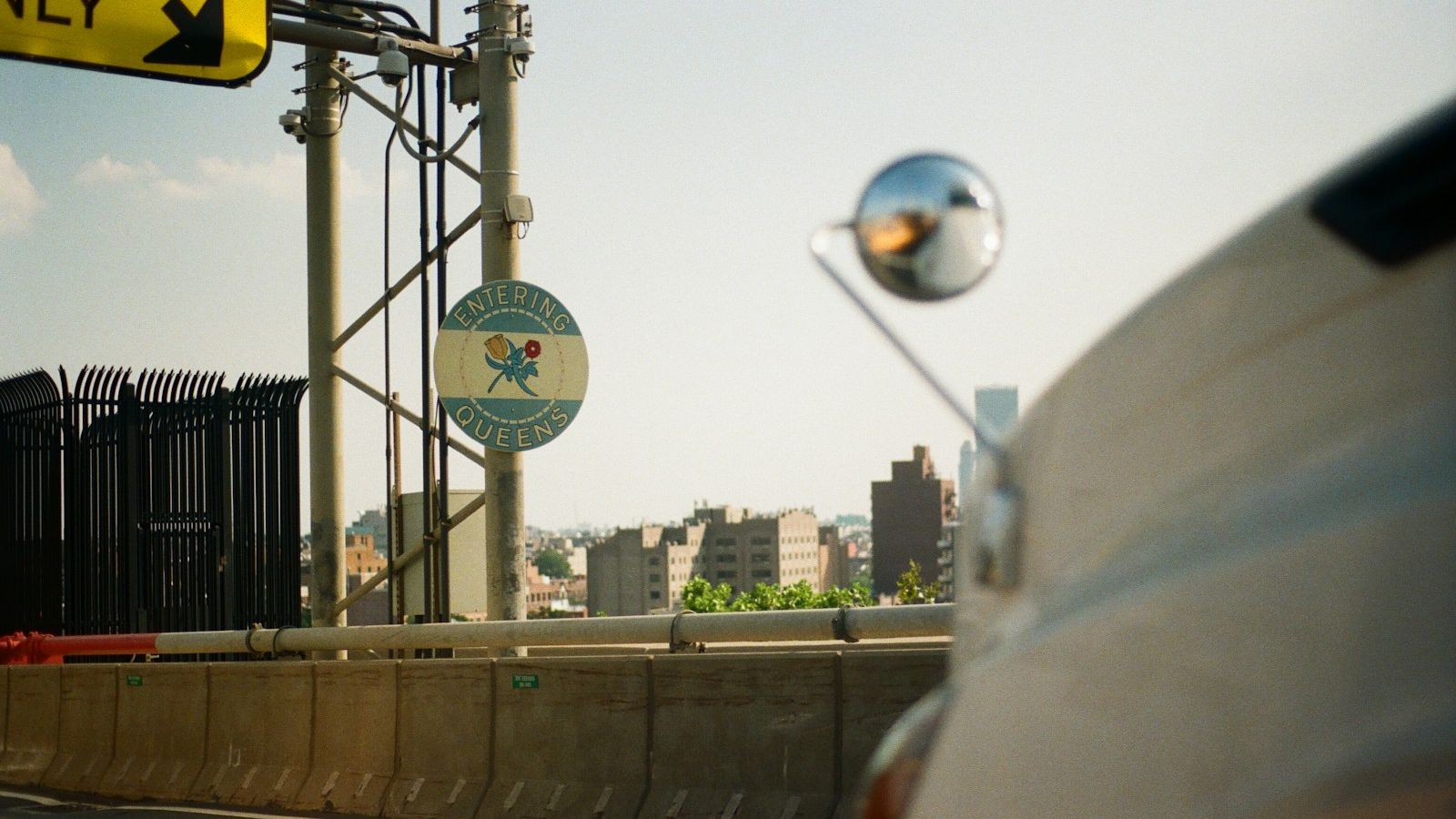
This is Flushing. And it has been one of America’s great immigrant cities-within-a-city for more than half a century.
Before Flushing, There Was Nowhere to Land
For generations, Korean immigrants arriving in New York had no clear place to settle. The Immigration and Nationality Act of 1965 changed everything — it opened the door to Asian immigration in a way America hadn’t seen in nearly a century.
Koreans arrived in waves. First the educated professionals, the doctors and engineers. Then families, small business owners, restaurateurs. By the 1970s, Flushing — already changing, already diverse — had become their home.
Other neighborhoods grabbed the spotlight. But Flushing was where the community quietly built something permanent. Something that would last.
The Street That Became a World
Walk south from the 7 train station and you’re on Main Street, Flushing. Bakeries selling red bean pastries and custard-filled buns sit beside Korean barbecue restaurants with ventilation hoods over every table. Underground food courts run beneath strip malls. You can eat your way through three different countries without crossing a single intersection.
The sensory intensity is deliberate. This isn’t a neighborhood performing its culture for visitors. It’s a neighborhood that built itself for the people who live here — and then, gradually, the rest of New York followed.
For anyone visiting Queens, it’s worth knowing that Flushing is just one corner of a borough that has quietly become the most linguistically diverse place on Earth — a place where hundreds of languages coexist on the same block.
A Meal That Carries a History
Korean barbecue in Flushing isn’t just a meal. It’s a ritual. Thin slices of marinated beef over live charcoal. Banchan — small dishes of kimchi, spinach, and pickled vegetables — covering every inch of the table. The shared grilling, the communal eating, the noise.
For Korean-Americans who grew up across the country, a trip to Flushing can feel like remembering something they were never quite taught but somehow already knew. A flavor, a sound, a feeling of belonging.
For everyone else, it’s simply one of the best meals available in New York City. Any honest New York food guide will point you toward the classics in Manhattan. But serious eaters know to follow the 7 train all the way to the end of the line.
Enjoying this? Join New York lovers getting stories like this every week. Subscribe free →
The Community That Held
What keeps Flushing Korean isn’t just restaurants and markets. It’s the churches — dozens of them, filling every available storefront and corner building. The community centers. The Korean-language newspapers still being printed and read. The second-generation kids who come back, open businesses, and choose to raise their own children here.
Every immigrant neighborhood in New York tells a version of this story: build something, hold it, pass it on. What makes Flushing different is how quietly it’s been done. No famous novel set on its streets. No celebrated film. Just a community that kept building, year after year, decade after decade.
That kind of endurance is its own kind of landmark.
Why New York Keeps Coming Back
On weekends, the 7 train fills with people making the trip from all over the city. They come for the food — the Korean fried chicken, the tteokbokki, the warming bowls of sundubu jjigae. But they also come for something harder to name.
Flushing feels like proof of something. That a city can hold multiple cultures at once — not side by side like museum exhibits, but layered and overlapping and alive. That New York isn’t one thing. It has always been a hundred things happening at the same time.
If you’re planning a first trip out to Queens, the borough neighborhood guide is a good place to start. But leave room for Flushing. It’s the kind of place that changes how you think about cities — and about what New York actually is.
The 7 train runs from Times Square to Flushing in about 40 minutes. It’s been called the International Express for a reason — every stop a different world, every window a different New York. At the end of the line, Flushing waits. Loud, layered, and completely alive.
That’s the thing about this city. It always has one more neighborhood you haven’t really seen yet.
You Might Also Enjoy
- The Queens Neighborhood That Has Kept Greek Culture More Alive Than Almost Anywhere on Earth
- The One Neighborhood in New York Where 160 Languages Are Still Spoken
- The Queens Neighborhood That Quietly Became More Chinese Than Chinatown
Plan Your New York Trip
Ready to explore beyond Manhattan? Our guide to the best NYC neighborhoods for visitors covers where to stay, what to see, and how to make the most of your time in each borough — including the Queens stops that most tourists never reach.
Join New York Lovers
Every weekday morning, get New York’s hidden gems, neighbourhood stories, food origins, and city secrets — straight to your inbox.
Subscribe free — enter your email:
Love more? Join 65,000 Ireland lovers → · Join 43,000 Scotland lovers →
Free forever · Unsubscribe anytime
