
Fort Greene Park is a 30-acre hilltop park in Brooklyn with sweeping paths, mature trees and a tall granite memorial that people spot from blocks away. It sits in the Fort Greene neighborhood, a short walk from the Brooklyn Academy of Music and the Barclays Center area. Visitors come for the views, the history and a quiet break from busy Manhattan.
Why Visit Fort Greene Park
Most first-time visitors to Brooklyn head straight for the bridge, Williamsburg or Prospect Park. Fort Greene Park rewards the travelers who look a little further. It gives you a real neighborhood park, a deep layer of American history and an easy base for exploring one of Brooklyn’s most walkable areas.
The park climbs a gentle hill. Wide paths wind between lawns and old shade trees. Dog walkers and parents with strollers share the space. You will see how Brooklynders actually spend a sunny afternoon.
It also costs nothing to wander. You do not need a ticket or a reservation to enjoy the park itself. Bring a coffee from a nearby cafe and stay as long as you like.
Who will enjoy it most
History fans will love the memorial and the Revolutionary War story. Photographers will enjoy the hilltop lines and the tall column against the sky. Families will find open lawns and playgrounds. Slow travelers will appreciate a place with no queues and no pressure.
How the Park Began
The story starts before the park existed. According to Wikipedia’s summary of the park’s history, the high ground here held Continental Army fortifications before the Battle of Long Island. General Nathanael Greene chose the site and supervised the work. The earthwork first carried the name Fort Putnam.
The fort returned to use during the War of 1812. Builders rebuilt it, and the new fortification took the name Fort Greene in honor of the general. That name later passed to the neighborhood and the park.
Walt Whitman played a part too. While he edited the Brooklyn Daily Eagle, he argued strongly for turning the old fort ground into a public park. Brooklyn opened it in 1847 as Washington Park, the city’s second park. In 1867 Frederick Law Olmsted and Calvert Vaux prepared a redesign plan. They also designed Central Park and Prospect Park, and the park took the name Fort Greene Park.
You can see that design thinking today. Paths curve to follow the slope. Views open and close as you climb. If you enjoy this kind of landscape, read our guide to Prospect Park in Brooklyn and compare the two Olmsted and Vaux parks.
Sources: the park’s own conservancy website and the Fort Greene Park entry on Wikipedia.
The Hilltop Memorial
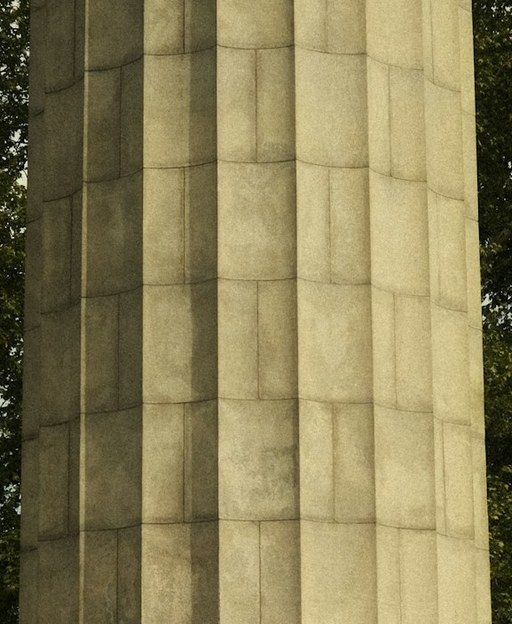
The tallest feature in the park is the Prison Ship Martyrs’ Monument. A granite Doric column rises from the top of the hill. It honors American prisoners of war who died on British prison ships in Wallabout Bay during the Revolutionary War.
The numbers explain why the memorial matters. Wikipedia’s article on the monument says more than 11,500 prisoners died aboard sixteen ships. Olmsted and Vaux planned a crypt for their remains, and workers placed the remains there in 1873. The architects McKim, Mead and White later designed the large column. President-elect William Howard Taft unveiled it in 1908, and the same source gives its height as 149 feet.
Take your time at the base. Read the inscriptions and look back toward Manhattan. On a clear day the skyline makes a striking backdrop to a very quiet place.
If this kind of New York history draws you in, you may also enjoy our guide to Green-Wood Cemetery in Brooklyn. Both places show how the city remembers its past.
Things to Do in the Park
You can fill a relaxed hour or half a day here. Keep the plan loose and follow your curiosity.
Walk the hill and find the views
Start at a lower entrance and climb toward the column. The path rewards you with open sky and a view across Brooklyn. Pause on the steps near the top. It makes a good place to sit and watch the city.
Check the park calendar
The park conservancy runs community events through the year. These include volunteer days, ranger-led programs and seasonal gatherings. Look at the official park calendar before you go, because dates change from year to year. The conservancy also publishes a park map that helps you find paths and features.
Bring a picnic
The lawns suit a simple picnic. Pick up sandwiches, pastries or fruit from a shop on a nearby avenue. Then find a bench under the trees. Leave no trace, and carry your rubbish out with you.
Beyond the Park Gates
Fort Greene works best when you treat the park as a start, not an end. Leafy side streets surround it. Brownstone and limestone rowhouses line the blocks, and many have stoops and iron railings that photograph beautifully. Walk slowly and look up at the cornices and doorways.
The neighborhood has a long arts tradition. The Brooklyn Academy of Music, known as BAM, stages theater, dance, music and film within walking distance. Check the official BAM website for the current program, then plan an evening around a show.
Cafes, bookshops and small restaurants fill the nearby commercial streets. Choose any spot with a crowd of locals. Opening times change often, so check each business before you set out.
Want to build a bigger Brooklyn day? Pair Fort Greene with a walk across the East River. Our Brooklyn Bridge walking guide shows you how. Or compare neighborhoods with our article on Brooklyn versus Manhattan for tourists.
Planning Your Visit to Fort Greene Park
Planning is simple. The park sits close to several subway stations, including DeKalb Avenue and Lafayette Avenue. Use the MTA trip planner to choose the best line from your hotel, because service changes happen often.
Best time to go
Spring and early autumn give the most comfortable weather and good light for photos. Winter can be lovely too, with bare branches and clear views of the skyline. Weekday mornings feel calm. Weekend afternoons bring more activity and more people.
Practical tips
Wear comfortable shoes, because the paths climb. Carry water in warm weather. Check the conservancy site for any path closures or work in the park before you travel. Treat the memorial with respect, as it marks a burial site.
Allow about one to two hours for the park alone. Add another hour or two if you want to explore the neighborhood streets. Add an evening if you want a BAM performance.
Frequently Asked Questions
What is Fort Greene Park known for?
Fort Greene Park is known for its Revolutionary War history, its Olmsted and Vaux design and the Prison Ship Martyrs’ Monument. It also gives visitors a relaxed hilltop retreat in the middle of Brooklyn.
How do I get to Fort Greene Park?
Take the subway to a nearby station such as DeKalb Avenue or Lafayette Avenue, then walk a few blocks. Check the MTA trip planner before you travel, because routes and service change.
Is Fort Greene Park worth visiting for tourists?
Yes, Fort Greene Park is worth a visit if you enjoy history, quiet green space and neighborhood life. It suits travelers who want a break from the busiest sights.
When is the best time to visit Fort Greene Park?
Spring and early autumn offer mild weather and soft light. Go on a weekday morning for the quietest visit, and check the park calendar for events.
Get our free New York guide, sent to your inbox.
Every week, get New York’s lesser-known corners, neighborhood stories and local secrets, straight to your inbox.
Subscribe free — enter your email:
Get the Free PDF Guide
Enter your email and we'll send it straight over.
