
Greenpoint sits at the very top of Brooklyn. It is pressed between the East River to the west and the Newtown Creek to the north. For much of the twentieth century, it was one of the most Polish places on earth outside Poland itself.
If you love New York’s hidden stories, you’ll love our free weekly newsletter. Subscribe to Love New York →
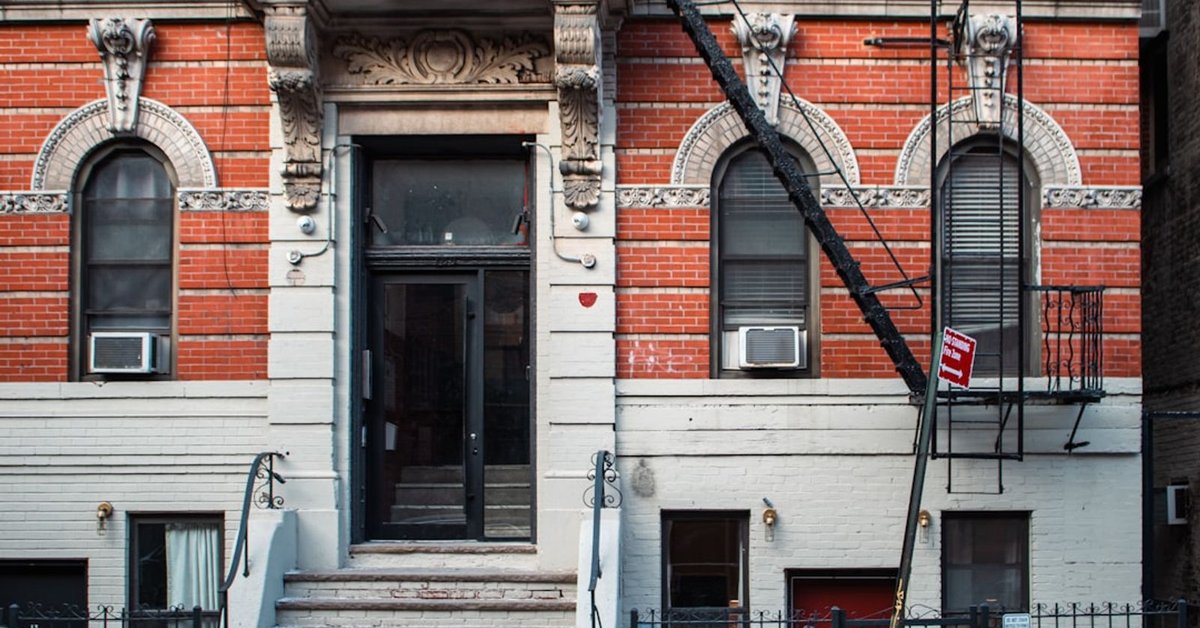
Today, Greenpoint is known for its coffee shops and its creative scene. But walk a few blocks off Manhattan Avenue on a quiet morning, and you will find a different city. You will find churches with names you cannot pronounce. You will find bakeries that smell of poppy seed and rye. You will find a neighbourhood that Polish hands built, one brick at a time.
How the Polish Came to Greenpoint
Polish immigrants began arriving in Greenpoint in the 1880s. They came from Galicia, from Poznań, from the Kraków region. They came fleeing poverty and partition. Poland had been carved up between Russia, Prussia, and Austria for over a century. There was no Polish state. But there was work in Brooklyn.
Greenpoint had industry. It had oil refineries along the waterfront. It had rope-works, glass factories, and iron foundries. The work was hard and dirty. The hours were long. But it paid.
The first wave of Polish settlers came for the factories. They rented rooms in the tenement buildings along Java Street and Noble Street. They built a life. Then they brought their families. Then their cousins came. Then their neighbours from the old village followed.
By 1900, Greenpoint had one of the largest Polish communities in North America. It had Polish butchers and Polish grocers. It had Polish newspapers printed on Manhattan Avenue. It had Polish lending societies that helped new arrivals get on their feet.
This is the same pattern you’ll find across New York. The Irish built Five Points and the Lower Manhattan waterfront. Jewish immigrants shaped the Lower East Side into a world of pushcarts and prayer. In Greenpoint, it was the Poles who laid the foundations.
The Church at the Centre of Everything
In Polish immigrant life, the parish was everything. It was not just a place of worship. It was a school. It was a social club. It was the place where marriages were arranged and funerals held. It was the institution that kept the community together when everything else was uncertain.
In Greenpoint, that institution was Saint Anthony of Padua Church on Manhattan Avenue. Founded in 1873, it became the spiritual home of the Polish community. Polish masses were said here every Sunday. Polish was taught in the school attached to the church. For many children born in Greenpoint, this was their first and closest world.
The church still stands today. Its spire rises above the rooftops of Manhattan Avenue. Inside, the pews are the same. The stained glass is the same. The masses are now said in English. But the Polish inscriptions on the memorial plaques remain.
If your family came from Greenpoint, this is where to start your search.
What Life Was Really Like
The tenements of early Greenpoint were cramped and cold. A family of six might share two rooms. The toilet was in the hallway, shared with three other families. Water came from a pump in the yard.
And yet, those rooms were full of life. The mothers cooked bigos and pierogi on coal stoves. The fathers played cards on Friday nights after a week at the factory. The children ran in the alleys behind Java Street, speaking Polish to each other because that was the only language they knew.
Before settling in their neighbourhoods, most of these families passed through the same gateway. Ellis Island processed millions of arrivals, and Polish names were among the most frequently mangled by immigration inspectors who could not spell Wiśniewski or Kowalczyk. Many families arrived with one name and left the island with another.
Work consumed most of the day. Men left before dawn for the waterfront. Women took in laundry or sewed piecework at home. Children as young as twelve worked in the summer. The community survived on collective effort.
Want more stories like this? Our weekly newsletter goes deeper into New York’s heritage every week. It’s free. Subscribe here →
Solidarity and Survival: The 1970s and 1980s
The Polish presence in Greenpoint never disappeared. But it grew stronger again in the 1970s and 1980s. A new wave of immigrants arrived. These were not peasants fleeing poverty. These were professionals, engineers, and artists fleeing martial law.
In 1981, General Jaruzelski declared martial law in Poland. Solidarity, the trade union movement, was suppressed. Thousands of Poles applied for asylum abroad. Many of them ended up in Greenpoint.
They joined a community that already existed. They found Polish delis and Polish churches. They found a neighbourhood that knew how to absorb newcomers. Greenpoint in the 1980s was alive with political energy. Solidarity flags hung in shop windows. People followed the news from Warsaw on radios in the back of diners.
The Kosciuszko Foundation on Manhattan Avenue became a centre for Polish cultural life. Named after Tadeusz Kościuszko — the Polish military engineer who fought in the American Revolution — it ran language classes, cultural events, and connected new arrivals to the community.
This is one of New York’s great immigration stories. It echoes the energy of Harlem during the Great Migration, when a neighbourhood was transformed by people arriving with little except determination.
The Manhattan Avenue That Still Speaks Polish
Walk down Manhattan Avenue today and you will still hear Polish spoken. Not as often as before, but it is there. In the deli, you can buy kielbasa and żurek. In the bakery, there are mazurki and chałka. On the wall of the Polish and Slavic Centre, a mural celebrates the community’s heritage.
The Polish and Slavic Centre on Manhattan Avenue is the anchor of the community today. It runs food assistance, legal services, and cultural programmes. It has helped generations of Polish immigrants navigate American bureaucracy. It is one of the longest-standing immigrant service organisations in New York City.
The butcher shop W-Nassau Meat Market is still here. Its window is painted in red and white, the colours of the Polish flag. Inside, the sausages hang the same way they did fifty years ago.
The Café Riviera on Manhattan Avenue has been here for decades. It serves barszcz and kotlet schabowy to regulars who have been coming since the 1980s. Sit at the counter and you will hear the neighbourhood’s history in pieces, offered between sips of tea.
Where to Visit Today: A Greenpoint Heritage Walk
Greenpoint is easy to reach. Take the G train to Greenpoint Avenue and you are in the heart of the neighbourhood.
Saint Anthony of Padua Church, Manhattan Avenue at Greenpoint Avenue — the spiritual centre of Polish Greenpoint for 150 years. The architecture is Romanesque. The interior is worth entering. Sunday masses still draw large congregations.
The Polish and Slavic Centre, 176 Java Street — the community hub. Ask at the front desk about their heritage resources and genealogy support. They hold records going back decades.
Manhattan Avenue between Greenpoint and Nassau Avenues — the main commercial spine. Walk its length slowly. The Polish delis, the bakeries, and the old signage tell the neighbourhood’s story better than any guidebook.
W-Nassau Meat Market, Nassau Avenue — a working Polish butcher that has served the community for generations. Worth entering for the atmosphere alone.
The Newtown Creek Waterfront — where the factories once stood. The landscape is industrial. But standing at the water’s edge, you can imagine what it looked like when the refinery chimneys were still smoking and the workers were walking to their shifts before dawn.
How to Trace Your Greenpoint Ancestry
If your family came from Greenpoint, there are several places to search.
Start with the Ellis Island database at libertyellisfoundation.org. Search your family surname alongside “Poland” or the specific region your family came from. Many Polish surnames were simplified at entry.
The Brooklyn Public Library holds historical Greenpoint directories. These list residents by address and occupation and can help you pinpoint where your family lived.
The Polish and Slavic Centre on Java Street maintains community records. Contact them before visiting — they can often point you to resources specific to your family’s region of origin.
The Church of Saint Anthony of Padua holds baptismal, marriage, and burial records going back to the 1870s. Contact the parish office directly. These records are often the most specific family history documents available.
A Neighbourhood That Remembers
Greenpoint is changing. Rents have risen. New restaurants have opened. Young professionals have arrived from Manhattan. The Polish community is smaller than it was at its peak.
But it has not disappeared. The churches are still full. The delis are still open. The language is still spoken in the streets, in the homes, and in the social clubs that have been meeting since the 1920s.
That is the thing about immigrant neighbourhoods in New York. They absorb change. They adapt. But they do not forget. The memory of what was built here — the community, the institutions, the culture — stays in the bones of the place.
If you walk Manhattan Avenue on a Saturday morning, you will feel it.
Frequently Asked Questions
When did Polish immigrants first arrive in Greenpoint, Brooklyn?
Polish immigrants began arriving in Greenpoint in significant numbers during the 1880s. They were drawn by factory work along the waterfront and the Newtown Creek industrial corridor. By 1900, Greenpoint had one of the largest Polish-American communities in North America.
What Polish heritage sites can visitors still find in Greenpoint today?
Several landmarks survive from the Polish immigrant era. Saint Anthony of Padua Church on Manhattan Avenue has served the community since 1873 and still holds regular services. The Polish and Slavic Centre on Java Street continues to operate as a community hub. A cluster of Polish delis and bakeries on Manhattan Avenue between Greenpoint and Nassau Avenues also preserves the neighbourhood’s culinary heritage.
How can I trace my Polish ancestry from Greenpoint, Brooklyn?
The Ellis Island Foundation database (libertyellisfoundation.org) is the best starting point for arrival records. The Polish and Slavic Centre on Java Street holds community resources and can assist with research. The Brooklyn Public Library’s Brooklyn Collection contains historical neighbourhood directories, and Saint Anthony of Padua Church holds parish records dating to the 1870s.
Is Greenpoint still a Polish neighbourhood?
Yes, though smaller than its mid-twentieth-century peak. Polish is still spoken on Manhattan Avenue. Polish-owned businesses, including butchers, bakeries, and restaurants, remain active. The Polish and Slavic Centre continues to serve the community, and the parish at Saint Anthony of Padua remains a focal point for Polish-American life in Brooklyn.
Ready to explore the New York your ancestors knew? Subscribe to Love New York — free weekly stories, heritage guides, and hidden history. Join us →

Subscribe Free