
When most visitors think of Italian New York, they head to Mulberry Street. They find tourist restaurants and souvenir shops. But the real Italian New York is somewhere else entirely.
It is a 15-minute train ride north. It sits beneath the elevated tracks of Arthur Avenue in the Bronx. It smells of cured meat, fresh bread, and espresso. This is Belmont — and locals have long called it the real Little Italy.
If you love New York’s hidden stories, you’ll love our free weekly newsletter. Subscribe to Love New York →
A Wave of Southern Italians
The story begins in the 1890s. Southern Italy was poor. Unification in 1861 had promised prosperity. For the contadini — the peasant farmers of Sicily, Calabria, and Campania — it never arrived.
They crossed the Atlantic by the millions. Many came through Ellis Island. They arrived with almost nothing. They spoke regional dialects, not standard Italian. They clustered together by village, by province, by family name.
In the Bronx, they found cheap tenement housing near factories and farms. Belmont was a quiet neighbourhood north of Fordham Road. By 1910, thousands of Italian families had settled here. They built their lives street by street, block by block.
Building a Community from Nothing
The centrepiece of early Belmont was the Church of Our Lady of Mount Carmel. It opened on Belmont Avenue in 1906. It was — and still is — the spiritual heart of the neighbourhood.
Every July, the Feast of Our Lady of Mount Carmel fills the streets. It is one of the oldest Italian-American festivals in New York. Families from across the Bronx return for it each year. The procession moves slowly down the same streets that their grandparents walked.
Around the church, the community built everything else. Pastry shops. Pork stores. Cheese importers. Bread bakeries. Pasta makers. The neighbourhood became self-contained. You did not need to leave Belmont for anything essential.
Arthur Avenue was the main artery. By the 1920s and 1930s, it was lined with pushcart vendors. Italian men called out in Sicilian and Calabrese. The street rang with regional dialects already disappearing in Italy itself.
The Market That Survived
In the 1940s, Mayor Fiorello La Guardia cleared the pushcarts from the streets. He built the Arthur Avenue Retail Market to house them under one roof. It opened in 1940.
Today, it is still there. The indoor food hall has changed little in more than 80 years. Small stallholders sell fresh pasta, cured meats, olives, aged cheeses, and bread baked that morning. It is a living museum of Italian-American food culture — and it is completely genuine.
Mike’s Deli is the heart of the market. The Greco family has run it for decades. They pile sandwiches high with prosciutto, fresh mozzarella, and roasted peppers. The lines stretch out the door on weekend mornings.
Nearby, Calabria Pork Store has been curing meats the traditional way since 1973. Whole sausages hang from the ceiling. The smell reaches you before you even open the door. Teitel Brothers has sold imported Italian and Mediterranean goods since 1915 — over a century of olive oil, dried pasta, and aged cheese in one small shop.
Want more stories like this? Our weekly newsletter goes deeper into New York’s heritage every week. It’s free. Subscribe here →
How Belmont Survived
Many Italian-American neighbourhoods did not survive the 20th century. The South Bronx fell into poverty in the 1970s. White flight emptied communities that had taken decades to build. Urban renewal destroyed others with highways and housing projects.
Belmont endured. The Italians who stayed were stubborn. They owned their shops and their buildings. They sent their children to local schools. The Church of Our Lady of Mount Carmel kept them rooted.
As the Bronx struggled through the 1970s and 1980s, Belmont remained. Albanian immigrants arrived later, drawn by the same working-class streets and the same spirit of community. The neighbourhood became a quiet blend of Italian-American tradition and new arrivals.
But Arthur Avenue held. The businesses kept going. The festivals continued. The pasta kept being made by hand.
Today, Belmont sits next to Fordham University and the Bronx Zoo. It draws a steady stream of visitors. Not for grand landmarks. For the food. For the feeling of a New York that has not been polished for tourists.
If you want to understand what Italian-American community life truly looked like, you can start with the story of Manhattan’s Little Italy — but Belmont is where the traditions actually survived. What remains on Mulberry Street today is largely a tourist version of the original. Arthur Avenue is the real thing.
Where to Visit in Belmont Today
These are the places that carry the story forward.
Arthur Avenue Retail Market
2344 Arthur Avenue, Bronx, NY 10458. Open Monday to Saturday. Free entry. Start here. Spend an hour walking the stalls. Taste before you buy.
Church of Our Lady of Mount Carmel
627 East 187th Street. The spiritual centre of Belmont since 1906. Open daily. Worth stepping inside for a quiet moment — the building is simple and honest.
Calabria Pork Store
2338 Arthur Avenue. Cured meats hanging from ceiling hooks. One of the last of its kind in New York. The prosciutto is exceptional.
Teitel Brothers
2372 Arthur Avenue. Open since 1915. A century of imported Italian goods in one small shop. Their olive oils and preserved vegetables are outstanding.
Borgatti’s Ravioli and Egg Noodles
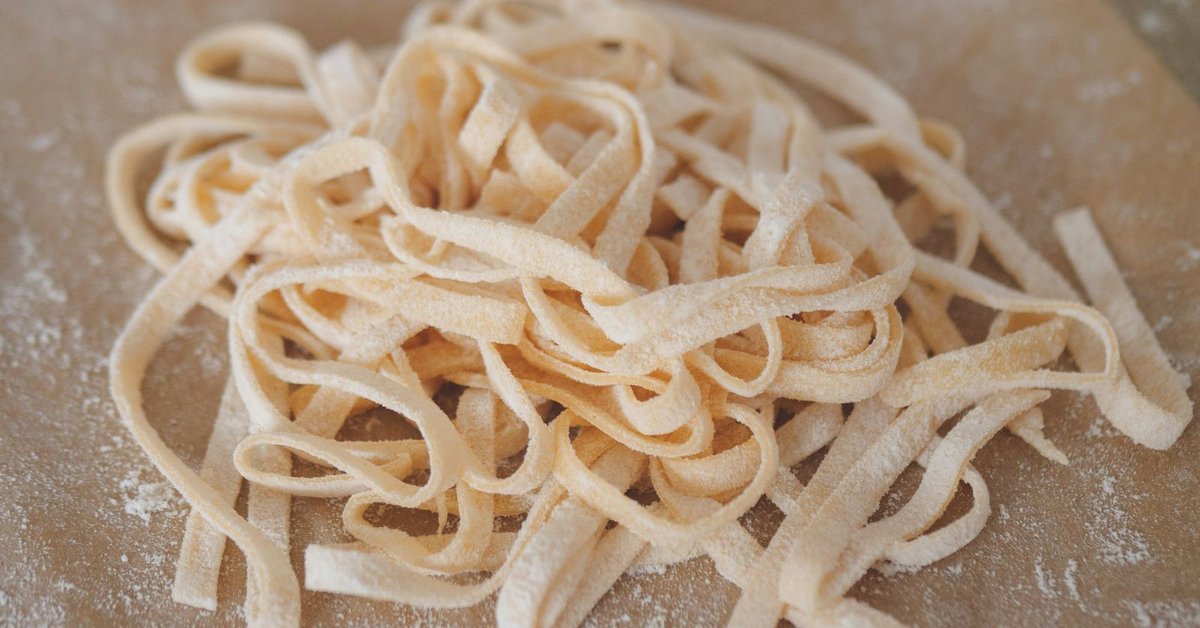
632 East 187th Street. Fresh pasta made by the Borgatti family since 1935. They make it by hand in front of you. Buy some to take home.
Getting there: Take the D or 4 train to Fordham Road. Walk south on Arthur Avenue. The market and most shops are within a five-minute walk.
Tracing Your Italian-American Roots in New York
If your family came from southern Italy, there is a chance they passed through the Bronx. Many arrived between 1880 and 1924.
Start with the Ellis Island database at libertyellisfoundation.org. You can search passenger records by name, year, and village of origin. Italian records often list the exact province or commune — not just “Italy.” This detail matters. Sicilians and Calabrians often settled in different blocks.
The New York Public Library holds digitised records of early Italian-language newspapers. These contain obituaries, community notices, and business records. The library’s Milstein Division is the right starting point for this kind of research.
The Centre for Migration Studies in Staten Island holds archives related to Italian immigration to the United States. Their collections are extensive and include parish records brought over from southern Italian towns.
Our guide to daily life for immigrants in early New York covers the conditions your ancestors would have encountered when they first arrived. Life was hard. The pace was relentless. But the community they built was remarkable.
For a broader look at how food connects New York’s immigrant communities to this day, our New York City food guide covers the best places to eat across all five boroughs — including several rooted in the same immigrant heritage.
Planning Your Belmont Heritage Visit
A half-day in Belmont is enough to feel what Italian-American life once looked like.
Arrive mid-morning. Head straight to the Arthur Avenue Retail Market. Buy fresh pasta to take home. Try the imported cheeses. Watch the stallholders work — many have been here for decades.
Walk down Arthur Avenue. Step into Calabria Pork Store and Teitel Brothers. Have lunch at one of the long-established family restaurants — Dominick’s or Mario’s have both been serving the neighbourhood for generations.
End your visit at the Church of Our Lady of Mount Carmel. Sit quietly inside for a few minutes. This is the church that held Belmont together through its hardest decades. The building is simple. The light comes through plain windows. It is the most honest place on the street.
Frequently Asked Questions
Where is Belmont in the Bronx?
Belmont is located in the central Bronx, near Fordham University and the Bronx Zoo. It sits along Arthur Avenue and East 187th Street. Take the D or 4 train to Fordham Road for the closest subway stop.
Why is Belmont called the real Little Italy?
Manhattan’s Little Italy on Mulberry Street has shrunk significantly over the decades, with few authentic Italian-owned businesses remaining. Belmont’s Arthur Avenue has retained its Italian-American food businesses, family-run shops, and community traditions far more authentically. Long-term residents and food writers have used the “real Little Italy” label for decades.
When do Italian immigrants start arriving in Belmont?
Large-scale Italian immigration to Belmont began in the 1890s and continued through the 1920s. Most immigrants came from southern Italian regions, particularly Sicily, Calabria, and Campania. The neighbourhood reached its peak Italian-American population in the mid-20th century.
What is the best thing to eat on Arthur Avenue?
Start with a sandwich from Mike’s Deli inside the Arthur Avenue Retail Market — the combination of fresh mozzarella, prosciutto, and roasted peppers is exceptional. Borgatti’s fresh pasta is worth buying to take home. The bread from the market bakeries is baked fresh each morning.
Can I trace Italian ancestry connected to Belmont?
Yes. Begin with the Ellis Island passenger database at libertyellisfoundation.org, which allows you to search by name and region of origin. The New York Public Library’s Milstein Division holds Italian-language newspapers, and the Centre for Migration Studies in Staten Island has extensive Italian-American immigration archives.
Ready to explore the New York your ancestors knew? Subscribe to Love New York — free weekly stories, heritage guides, and hidden history. Join us →

Subscribe Free