
Your first time in New York City is unlike anything else. The city hits you all at once — the scale of the buildings, the relentless energy of the streets, the noise, the speed, the sheer variety of it all. No guidebook fully prepares you, but the right preparation gets you close. This guide gives you everything you need before you land, so you can spend less time confused and more time falling in love with one of the world’s great cities.
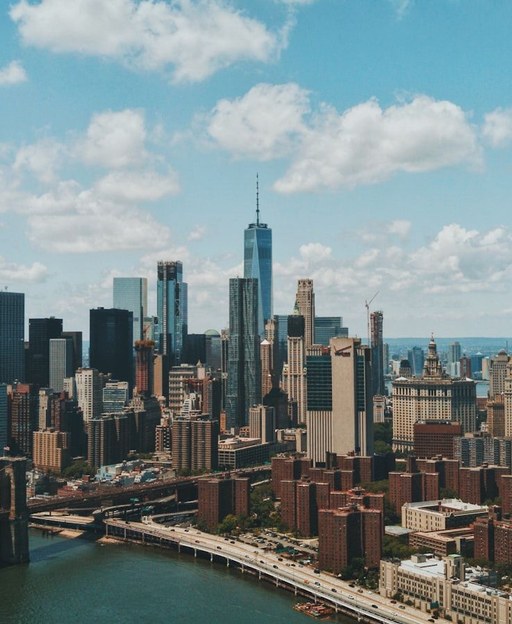
Navigating New York City for the First Time
New York City is made up of five boroughs: Manhattan, Brooklyn, Queens, The Bronx, and Staten Island. Most first-time visitors spend the majority of their trip in Manhattan, which makes sense — it holds the skyline, the iconic landmarks, and most of the major museums. But limiting yourself to one borough means missing what makes the city truly special.
The Subway: Overwhelming Until It Isn’t
The New York City subway runs 24 hours a day, seven days a week, and it reaches nearly every corner of the five boroughs. For first-time visitors, it looks intimidating on a map. In practice, it’s the fastest and cheapest way to get anywhere. Tap your contactless bank card or use an OMNY card to pay — the flat fare covers any distance. Download the MTA’s official app or Google Maps before you arrive; both give live routing advice.
Stand clear of the closing doors. Check the express versus local distinction — express trains skip stops, so make sure you’re on the right service. Rush hour (roughly 7:30–9:30 in the morning and 5:00–7:30 in the evening) packs the trains tightly. Shoulder the inconvenience — it’s all part of the experience.
Walking, Cycling, and Getting Around Above Ground
New York is one of the world’s great walking cities. Manhattan runs on a grid: streets go east to west, avenues go north to south. Once you grasp the numbering system, navigation becomes instinctive. Midtown’s numbered streets make it especially easy — 42nd Street sits at the centre of the action, and numbers climb going north.
Citi Bike, the city’s bike-sharing scheme, offers a practical and enjoyable way to cover longer distances without going underground. Docking stations appear every few blocks across Manhattan, Brooklyn, and Queens. The Brooklyn Bridge, ridden or walked, is free and unforgettable.
The Boroughs and Neighbourhoods You Need to Know
New York City’s character shifts dramatically from street to street. Understanding where things are — and what each neighbourhood offers — makes your first visit far richer. Our guide to the best neighbourhoods in New York City goes deeper if you want to plan around a particular area.
Manhattan: Where the City Begins
Manhattan is what most people picture when they imagine New York. It’s a long, narrow island packed with neighbourhoods that each feel like a distinct world. Midtown holds Times Square, the Empire State Building, and Rockefeller Center. The Upper West Side is quieter, with brownstones lining the streets near Central Park. SoHo and NoLita in Lower Manhattan mix cast-iron architecture with boutiques and excellent restaurants.
Greenwich Village feels like a small European enclave — tree-lined streets, independent cafés, and Washington Square Park at its heart. Hell’s Kitchen, on the West Side, serves some of the best value food in the city. Harlem, further uptown, carries enormous cultural weight and a food scene worth the journey north. Every neighbourhood deserves at least a walk-through on your first visit.
Brooklyn: The Borough That Became Its Own World
Brooklyn is not a suburb of Manhattan. It’s a city within a city, with a population larger than most European capitals. Williamsburg draws visitors with its street art, independent markets, and a restaurant scene that rivals anything in Manhattan. DUMBO offers some of the most photographed views of the Manhattan skyline and Brooklyn Bridge. Park Slope has the brownstones, Prospect Park, and the Brooklyn Museum. Brooklyn Heights, sitting above the promenade, gives you a panoramic view of Lower Manhattan that no observatory can replicate.
If you’re torn between where to base yourself, read our comparison of Brooklyn vs Manhattan for tourists — it covers everything from cost to convenience to the feel of each area.
Queens: The World in One Borough
Queens is the most ethnically diverse urban area on the planet. Flushing’s Chinatown rivals those in Manhattan and San Francisco. Astoria has deep Greek roots and one of the best food streets in the city. Jackson Heights brings South Asian and Latin American cuisines to one walkable neighbourhood. Most first-timers skip Queens entirely. That’s a mistake worth avoiding.
Enjoying this? Join New York lovers getting stories like this every week. Subscribe free →
Must-Do Experiences for First-Time Visitors
New York City’s famous landmarks draw visitors for good reason. The scale and craftsmanship of buildings like the Chrysler Building and Grand Central Terminal genuinely justify every photograph you’ve already seen of them. The view from the top of the Empire State Building or One World Trade Center shifts how you understand the city’s geography in a way that maps never manage.
The Icons Every First-Timer Should See
Central Park is not optional. Eight hundred and forty acres of green space sit in the middle of Manhattan — standing inside it, surrounded by skyscrapers on every side, feels genuinely surreal. Walk across the Brooklyn Bridge, preferably in the morning before the crowds arrive. Take the free Staten Island Ferry for an unobstructed view of the Statue of Liberty and Manhattan’s southern tip. Visit Grand Central Terminal even if you’re not catching a train — the main concourse alone is worth the trip.
Beyond the Obvious: Hidden Gems Worth Finding
The High Line, a decommissioned elevated railway turned public park, runs through Chelsea on the West Side of Manhattan. It gives you an unusual perspective on the city — eye-level with apartment windows, looking down at streets, surrounded by wildflowers. The Vessel, the Oculus at the World Trade Center, and the New York Public Library reading room are all free to enter. Our guide to NYC hidden gems points you to fifteen more places most visitors never find.
What to Eat on Your First Trip
New York’s food culture is one of the most varied in the world. This is a city built by successive waves of immigration, and those communities left a permanent mark on what people eat here. You can eat your way around the globe without leaving the five boroughs.
The Foods That Define New York
A New York bagel is something specific — boiled before baking, denser than anything you’ll find elsewhere, and best eaten with lox and cream cheese from a deli that’s been there for decades. New York pizza is thin-crust, wide-slice, and folded in half to eat while walking. A classic New York slice from a neighbourhood pizza counter costs a few dollars and tastes better than pizza twice the price in most cities.
The pastrami sandwich on rye at Katz’s Delicatessen on the Lower East Side is a rite of passage. The chopped cheese sandwich, born in Harlem bodegas, deserves your attention too. Dim sum in Flushing, jerk chicken in Flatbush, pierogi in Greenpoint — every neighbourhood has something worth seeking out.
Eating Well Without Spending a Fortune
New York can be expensive, but it doesn’t have to break the budget. Lunch specials at sit-down restaurants often run at half the dinner price for the same dishes. Breakfast at a classic diner keeps costs down without sacrificing experience. Smorgasburg in Brooklyn and the various food halls across Manhattan offer restaurant-quality food at street food prices. For a full breakdown of costs and strategies, our New York City travel budget guide covers accommodation, transport, food, and entertainment in detail.
Practical Tips for First-Time Visitors
A few practical details make a significant difference when you’re navigating New York for the first time. None of them are complicated, but being prepared saves time and frustration on the ground.
When to Visit New York City
New York has a strong personality in every season. Spring (April to June) brings mild temperatures, blooming trees in Central Park and Brooklyn’s Botanic Garden, and comfortable walking weather. Autumn (September to November) is many visitors’ favourite — the air is crisp, the light is golden, and the city buzzes with energy after the summer slowdown.
Summer is hot and humid, but the city is fully alive: rooftop bars, outdoor film screenings, free concerts in the parks, and the beaches of Rockaway and Coney Island within reach. Winter is cold, but Manhattan at Christmas is genuinely special. Our month-by-month guide to the best time to visit New York City breaks it all down in detail.
Money, Tipping, and Getting Around
Tipping in New York is not optional — it’s part of how service workers earn their income. At sit-down restaurants, twenty per cent is the standard. At bars, a dollar or two per drink is the norm. Tipping at hotels, for taxis, and for any personal service is expected at a similar level. Arriving without this understanding causes awkward moments you can easily avoid.
Contactless payments work almost everywhere. Major credit cards are accepted at virtually every establishment. Cash is useful for street vendors and some smaller bodegas, but you can travel the entire city without it if you prefer.
How Long Do You Need?
Three days gives you a solid first impression — the essential landmarks, one or two neighbourhood walks, and time to eat well. Five days lets you slow down, cross a bridge on foot, spend an afternoon in a museum, and explore a borough beyond Manhattan. A week begins to feel like you’re actually living there, which is when New York really opens up. Wherever you land on the timescale, resist the urge to over-schedule. The city rewards those who leave room for the unexpected.
You Might Also Enjoy
- Free Things to Do in New York City — a full guide to experiencing the city without spending a fortune
- Brooklyn vs Manhattan for Tourists — where to base yourself and why
- Best Neighbourhoods in New York City — a visitor’s guide to the most rewarding areas
Frequently Asked Questions
What is the best time to visit New York City for the first time?
Spring (April to June) and autumn (September to November) offer the most comfortable weather for walking and sightseeing. Both seasons avoid the extremes of the sweltering summer humidity and the bitter winter cold, making them ideal for a first time in New York City.
How do I get from JFK Airport to Manhattan?
The AirTrain connects JFK to the subway network — take the AirTrain to Howard Beach or Jamaica station, then ride the A or E train into Manhattan. The journey takes around an hour and costs a fraction of a taxi fare. Taxis and car services are available outside the terminals but are considerably more expensive.
Is New York City safe for first-time visitors?
New York City is a safe destination for tourists in its major visitor areas, including Midtown Manhattan, Brooklyn Heights, DUMBO, and the West Village. Use the same common sense you’d apply in any large city — stay aware of your surroundings, keep your phone in your pocket on the subway, and stick to well-lit areas late at night.
How much money do I need for a week in New York City?
Budget travellers can manage on roughly $150–$200 per day by staying in shared accommodation, eating at delis and food markets, and focusing on free attractions. A comfortable mid-range trip typically runs $250–$350 per day per person, including a private room, sit-down meals, and a mix of paid attractions. See our full New York City travel budget guide for a detailed breakdown.
Join 1,000+ New York Lovers
Every weekday morning, get New York’s hidden gems, local secrets, and travel inspiration — the kind you won’t find in any guidebook.
Subscribe free — enter your email:
Love more? Join 64,000 Ireland lovers → · Join 43,000 Scotland lovers → · Join 30,000 Italy lovers →
Free forever · · Unsubscribe anytime

Subscribe Free