
Choosing the best time to visit New York City is one of the most important decisions you will make when planning your trip. New York is a year-round destination, but each season brings something entirely different. Weather, crowds, prices, and the city’s mood all shift from month to month. This guide breaks it all down so you can book with confidence.
Why Timing Your New York Visit Matters
New York City never truly closes. The subway runs through the night. Diners stay open till dawn. Broadway runs 52 weeks a year. But the experience of being here changes enormously depending on when you arrive.
In July, Central Park fills with tourists. Hotel rates hit their annual peak. The humidity is relentless. In February, the same park is nearly empty. You can walk the paths without fighting for space, and many hotels cut their prices sharply.
Knowing the city’s rhythms helps you decide what kind of trip you want. Are you after energy, events, and warm weather? Or do you prefer quieter streets, cheaper hotels, and a more local feel? Both are possible — it just depends on when you go.
Spring in New York City (March to May)
Spring is one of the finest times to visit New York. The weather turns mild, blossom appears in Central Park, and the city shakes off winter with visible energy. Many long-time visitors say May is the single best month of the year.
March is still unpredictable. Cold snaps arrive without warning early in the month, so bring layers. By April, temperatures sit between 10°C and 18°C. May is often the sweetest month — warm without being hot, and still before peak tourist season begins.
What Spring Has to Offer
Cherry blossom season arrives in April. The Japanese Hill-and-Pond Garden at the Brooklyn Botanic Garden draws visitors from across the city. Central Park is at its most photogenic. The High Line blooms with seasonal planting. Outdoor terraces reopen, and street life returns to the neighbourhoods.
The Tribeca Film Festival runs in late April and early May. It brings screenings and talks to lower Manhattan. Many events are free, and the atmosphere is creative and welcoming. The New York Comedy Festival also runs in May, drawing crowds to venues across Manhattan.
Hotel prices in spring are moderate. They haven’t hit the summer peak yet, but they’re higher than winter rates. Book six to eight weeks ahead for the best deals in April and May.
Summer in New York City (June to August)
Summer is New York at its most alive — and its most crowded. Tourists arrive from every direction. Queues for the Empire State Building, the Statue of Liberty ferry, and top Broadway shows stretch long. Prices reflect the demand throughout June, July, and August.
Temperatures regularly reach 28°C to 33°C in July and August. Humidity makes it feel hotter. The subway becomes intense. Plan outdoor sightseeing for early morning and use air-conditioned museums and galleries during the afternoon.
Summer Highlights Worth Knowing About
Bryant Park hosts free outdoor films every Monday evening in summer. Shakespeare in the Park runs through July and August in Central Park. Tickets are free, though queues begin hours before the gates open. SummerStage brings live music to parks across all five boroughs throughout the season.
The 4th of July fireworks over the East River are spectacular. Coney Island is at its liveliest in June, July, and August. The beaches of the Rockaways in Queens are reachable by subway — a genuine escape from the city heat when you need a break.
If budget matters, summer is the hardest season for your wallet. Hotel rates peak sharply in July. Our New York City travel budget guide covers strategies for managing costs even during peak season.
Autumn in New York City: Arguably the Best Season
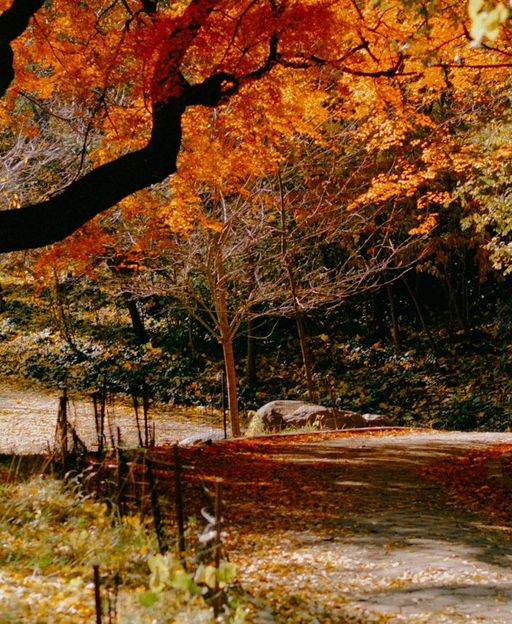
Many seasoned travellers say autumn is the best time to visit New York City. It is hard to argue. September brings warmth without summer’s humidity. October is spectacular — golden and amber leaves transform Central Park, Prospect Park, and Riverside Park into something extraordinary. November is cool but often dry, and the city quiets before the holiday season begins.
What Makes Autumn in NYC Special
The New York Film Festival runs through September and October at Lincoln Centre. The New York Marathon takes place each November, drawing hundreds of thousands of spectators along a route through all five boroughs. Even if you have no interest in running, the atmosphere on marathon day is extraordinary.
September stays warm enough for rooftop bars, outdoor dining, and long walks through the neighbourhoods. Summer tourists head home by mid-September. Queues for major attractions shorten noticeably, and you can explore the city at a genuinely human pace.
If you have just a few days in the city, autumn gives the richest return. Our guide to 3 days in New York City pairs perfectly with an October visit.
Brooklyn in Autumn
Brooklyn in October deserves special mention. Prospect Park turns gold and copper, and the park feels entirely different from its summer self. Williamsburg’s independent cafés and bars are at their most atmospheric. The Brooklyn Heights Promenade offers unbeatable views of the Manhattan skyline framed by autumn colour. Dumbo’s cobbled streets glow in the October light.
Winter in New York City (December to February)
Winter in New York is cold. January temperatures drop to between -3°C and 5°C. Snow arrives from December through February, though heavy snowfall isn’t guaranteed every year. The cold is real and requires proper preparation. A warm coat, sturdy shoes, and good gloves are essential.
But winter has its own kind of magic. December is extraordinary. The Rockefeller Centre Christmas tree goes up in late November and stays lit until early January. Fifth Avenue department store windows dress for the season. The Dyker Heights neighbourhood in Brooklyn becomes one of the world’s most spectacular residential Christmas light displays.
Why Winter Is Worth Considering
January and February are the quietest months in New York. Hotel prices fall significantly after New Year. Restaurants and attractions are easy to book without long waits. If you handle the cold well, these months offer a side of New York that few tourists ever see.
Indoor New York is superb in winter. The Metropolitan Museum of Art, the Museum of Natural History, MoMA, and the Guggenheim are perfect ways to spend a cold afternoon. Many museums offer free or reduced entry. Our guide to free things to do in NYC covers all the best options throughout the year.
Ice skating at Rockefeller Centre and Wollman Rink in Central Park are quintessential winter experiences. Bryant Park Winter Village runs from mid-November through January. It offers free skating, pop-up shops, and food stalls. It is one of the city’s most charming seasonal traditions.
Best Time to Visit New York City by Travel Style
For First-Time Visitors
If this is your first trip to New York, aim for late September or early October. The weather is comfortable, the foliage is turning, queues are shorter than in summer, and the city is fully alive. May is a strong second choice — warm, green, and uncrowded compared to midsummer.
For Families with Children
Families often find summer the easiest season, since school holidays align with the warmer months. Late June and early September offer a sweet spot — warm weather with slightly thinner crowds. Our New York with kids guide covers the best family-friendly experiences through every season.
For Budget Travellers
January and February offer the lowest hotel rates. The city is cold but fully operational. Museums, galleries, and indoor markets are excellent year-round. If you’re flexible on timing and watching every pound, late January into February is your ideal window.
For Culture and Events
New York hosts major events in every season. September brings Fashion Week. October brings the Film Festival and the marathon. December brings the holiday season at its most theatrical. June brings Pride and the Puerto Rican Day Parade. There is no wrong month for culture in New York — but autumn packs the most variety into the fewest weeks.
Month-by-Month Quick Reference
January — Cold, quiet, cheap. Best for budget visitors and museum lovers. Fleece, coat, and gloves essential.
February — Cold and quiet. Valentine’s Day brings a romantic city atmosphere. Hotel rates remain low.
March — Weather is variable but improving. St Patrick’s Day Parade on 17 March is a major celebration throughout Manhattan.
April — Blossom season across the city’s parks. Cherry trees bloom in Brooklyn. Mild and lovely for walking.
May — One of the best months. Warm, green, pre-peak crowds. Outdoor dining returns in earnest.
June — Warm and busy. Pride month. Outdoor events fill the calendar across all five boroughs.
July — Peak tourist season. Hot and humid. 4th of July fireworks over the East River are unmissable.
August — Peak heat and peak crowds. Coney Island is at its best. SummerStage and outdoor films keep the evenings lively.
September — Excellent month. Warm with thinning summer crowds. New York Film Festival begins. One of the best times to visit.
October — Arguably the best month. Spectacular foliage, the marathon, the Film Festival. Near-perfect conditions for exploring.
November — Cooling down. Thanksgiving brings the famous Macy’s Parade. Holiday decorations start appearing from mid-month.
December — Magical but busy. Rockefeller Centre, ice skating, festive shop windows, Dyker Heights lights. Book early for December visits.
Join 1,000+ New York Lovers
Every weekday morning, get New York’s hidden gems, local secrets, and travel inspiration — the kind you won’t find in any guidebook.
Subscribe free — enter your email:
Love more? Join 64,000 Ireland lovers → · Join 43,000 Scotland lovers → · Join 30,000 Italy lovers →
Free forever · Unsubscribe anytime
What is the best time to visit New York City for good weather?
Late September and May offer the most reliably pleasant weather in New York City. Temperatures are comfortable, rainfall is moderate, and the city is lively without the oppressive heat of July and August or the deep cold of January.
When is New York City cheapest to visit?
January and February are the cheapest months to visit New York City. Hotel prices drop significantly after the holiday season, and flights to JFK and Newark tend to be at their lowest rates of the year during these months.
Is autumn a good time to visit New York City?
Yes — experienced travellers consider autumn one of the best times to visit New York City. October combines beautiful foliage, comfortable temperatures, shorter queues than summer, and a packed cultural calendar including the Film Festival and the New York Marathon.
How far in advance should I book a trip to New York City?
For peak periods — summer, December, and major events — book your hotel and flights at least three months in advance. For quieter months such as January, February, and November, six to eight weeks ahead gives you good options at reasonable prices.

Subscribe Free