
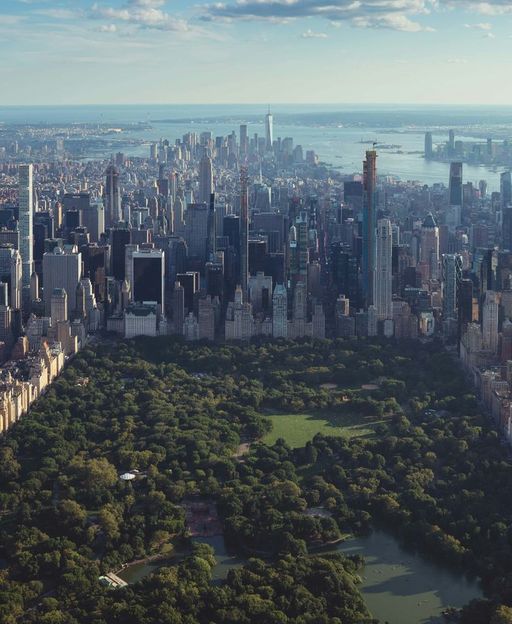
Things to do in Central Park could fill an entire week in New York City — and still leave you with more to discover. Stretching 843 acres through the heart of Manhattan, Central Park is far more than a green escape. It is the city’s living room, outdoor concert hall, and beloved gathering place, all in one extraordinary landscape. Whether you have two hours or a full day, this guide walks you through the highlights, the hidden corners, and the practical details that make Central Park one of the world’s great urban destinations.
Getting to Know Central Park
Central Park runs from 59th Street in the south to 110th Street in the north, spanning two miles of Manhattan. Frederick Law Olmsted and Calvert Vaux designed the park in 1858, creating a deliberate rural landscape as a counterpoint to the city’s relentless grid. Today, more than 42 million people visit each year, making it the most visited urban park in the United States.
The park splits naturally into sections. The southern end is busier, with the most famous landmarks within easy reach. The northern half, above the Great Lawn, is quieter. Most visitors stick to the south — which means the north offers something rare in Manhattan: genuine breathing room.
How to Navigate the Park
Central Park has no formal entrance fee. You can walk in from any of the 18 entrance gates around its perimeter. The main gates on 59th Street — Grand Army Plaza and Columbus Circle — are the most popular starting points for visitors staying in Midtown. From the Upper West Side, the 72nd Street entrance brings you directly to the Strawberry Fields area.
The park has an internal loop road that curves around the perimeter. Cars are banned from it on weekdays between 10am and 3pm, and at weekends entirely. Four crosstown transverse roads allow vehicles to cross Manhattan beneath the park without disturbing it.
Pick up a free map at the Dairy Visitor Centre near the 65th Street entrance. It shows every major landmark, playground, and sports facility in the park.
The Best Things to Do in Central Park: Highlights You Cannot Miss
Most visitors arrive with a handful of bucket-list spots in mind. These are the ones worth prioritising on any first visit.
Bethesda Terrace and the Fountain
The Bethesda Terrace is the architectural heart of the park. A grand stone staircase leads down to a wide esplanade overlooking the Lake, with the Angel of the Waters fountain at its centre. The fountain dates to 1873 and depicts a biblical angel blessing the waters. The terrace below features intricate carved tiles — nature motifs designed by Jacob Wrey Mould that craftsmen spent eight years completing. Come in the late afternoon, when the light turns golden and musicians and skaters fill the esplanade.
Strawberry Fields
Near the 72nd Street entrance on the west side of the park lies a quiet, curved garden dedicated to John Lennon. He lived in the Dakota building directly across Central Park West. The mosaic medallion at the garden’s heart reads “IMAGINE” — a simple tribute that draws visitors from around the world. People leave flowers, play guitar, and sit quietly here at all hours. Despite being one of the park’s most famous spots, it feels genuinely peaceful.
The Great Lawn
The Great Lawn is a large oval meadow at the centre of the park, surrounded by elm trees and overlooked by Belvedere Castle. The New York Philharmonic and the Metropolitan Opera both hold free outdoor concerts here each summer. Earlier in the year, the lawn is a favourite spot for sunbathing, softball, and impromptu picnics. It fills up quickly on warm days — arrive early to claim a good patch of grass.
Belvedere Castle
Belvedere Castle sits on the highest point in Central Park, offering one of the best free views in Manhattan. The Victorian folly was built in 1869 as a decorative lookout and now serves as a weather station and visitor centre. Climb the spiral staircase to the top terrace for a sweeping view over the Ramble, the Great Lawn, and the surrounding skyline. Entry is free and the castle is open daily.
Free Things to Do in Central Park
Almost everything in the park costs nothing. Here are the best free activities worth planning around.
Walk the Reservoir. The Jacqueline Kennedy Onassis Reservoir covers 106 acres of the park’s midsection. A 1.58-mile dirt track circles the water. The views of the Manhattan skyline reflected in the surface are extraordinary at sunrise and golden hour.
Watch the street performers. On weekends around the Mall and Terrace area, buskers, jazz musicians, and break-dancers perform for passers-by. The talent level is remarkable — many park performers hold the same standard as the city’s auditioned subway musicians.
Explore the Shakespeare Garden. Tucked behind Belvedere Castle, this walled garden contains plants mentioned in Shakespeare’s plays, each labelled with the relevant quotation. It is one of the quietest and most charming corners of the park, even on busy summer days.
Spot wildlife in the Ramble. The Ramble is a 36-acre woodland in the centre of the park. Birdwatchers flock here during spring and autumn migration, when hundreds of species pass through. The woodland paths feel genuinely remote — hard to believe you are surrounded by Manhattan on all sides.
For more ideas on experiencing the city without spending a fortune, see our full guide to free things to do in NYC.
Love New York City?
Get weekly NYC guides, local secrets and hidden gems — straight to your inbox. Free forever.
Central Park by Season
The park transforms dramatically through the year. Each season offers something the others cannot replicate.
Spring (March to May)
Spring is the most photographed season in Central Park. Cherry blossoms appear in late March and early April, especially around the Reservoir and the Mall. The Conservatory Garden in the northeast corner reaches peak bloom in May, with beds of tulips and irises surrounding the central fountain. Shakespeare in the Park productions begin in late May at the Delacorte Theatre, with free tickets distributed by lottery.
Summer (June to August)
Summer brings the park’s busiest crowds and its most spectacular programming. Free concerts on the Great Lawn, SummerStage performances at Rumsey Playfield, and weekend festivals fill the calendar from June onwards. For quieter summer mornings, the Harlem Meer in the northern end of the park offers fishing and paddle boating with far fewer tourists.
Hire a rowboat on the Lake for $20 per hour — one of the most enjoyable ways to spend a summer afternoon in the park. Gondola rides are available too, with gondoliers who actually sing.
Autumn (September to November)
Autumn turns Central Park into a landscape of gold, copper, and deep red. The Ramble is particularly beautiful in October. Birdwatchers gather here during the autumn migration. The crowds thin noticeably in September, making it one of the best months for a relaxed visit.
Winter (December to February)
The Wollman Rink opens for ice skating in late October and runs through March. Skating beneath the Manhattan skyline is one of the great New York experiences. The park is less crowded in winter, and snow transforms the landscape entirely. The Central Park Conservancy holds occasional winter walking tours — check their website for current listings.
For help timing your trip to New York, our best time to visit New York City guide walks through each month in detail.
Hidden Spots Most Visitors Miss
Beyond the famous landmarks, Central Park rewards those who wander without a fixed plan.
The Hallett Nature Sanctuary. This four-acre woodland in the southeast corner stayed closed to the public for 75 years before reopening in 2016. Enter via the path near 60th Street and Fifth Avenue. It is one of the few places in Manhattan where you can hear birdsong without traffic noise.
The Swedish Cottage Marionette Theatre. A working 19th-century Swedish schoolhouse arrived at Central Park after the 1876 Philadelphia Centennial Exposition and stands here today. It now hosts marionette performances for children. The exterior alone is worth a detour.
The Conservatory Garden. This six-acre formal garden in the northeast corner of the park is the only section where ball games are not permitted. Three distinct garden styles — French, English, and Italian — sit side by side behind ornate iron gates. It is spectacularly peaceful and almost always less crowded than the southern section.
For more overlooked spots across the city, see our guide to NYC hidden gems.
Practical Tips for Visiting Central Park
Getting There
The park is accessible from multiple subway lines. The A, B, C, and D trains stop at 59th Street – Columbus Circle on the west side. The N, R, and W trains stop at Fifth Avenue – 59th Street on the east side. The 6 train runs along the east side with stops at 59th, 68th, 77th, 86th, and 96th Streets.
How Long to Allow
Two to three hours covers the main southern highlights. A full day allows time for the northern sections, a rowboat on the Lake, and a proper wander through the Ramble. The park rewards slow exploration — the faster you move, the more you miss.
Food in the Park
Licensed vendors sell pretzels, hot dogs, and coffee throughout the park. For a sit-down meal, the Boathouse Restaurant overlooks the Lake and opens for lunch and dinner from spring to late autumn. The Loeb Boathouse counter serves lighter food year-round at lower prices.
Cycling
Hire a bike from licensed vendors near the Columbus Circle entrance. The loop road makes for an excellent 6.1-mile cycle route. Citi Bike docks sit around the park’s perimeter for those using the city’s bike-share scheme.
For a broader introduction to experiencing New York as a first-time visitor, see our first time in New York City guide.
Frequently Asked Questions
What is the best time of day to visit Central Park?
Early morning is the best time to visit Central Park for quiet exploration. Most visitors arrive after 10am, so an early start gives you the paths and the views almost to yourself. Sunset is equally spectacular around the Bethesda Terrace — arrive 45 minutes before sunset for the best light.
How do I get to Central Park from Midtown Manhattan?
Central Park is within walking distance of most Midtown hotels. From Times Square, walk east on 59th Street for approximately ten minutes to reach the southern entrance. Take the A, B, C, or D subway to 59th Street – Columbus Circle, or the N, R, or W train to Fifth Avenue – 59th Street.
Is Central Park safe for tourists?
Central Park is safe for visitors during daylight hours. The southern section around the Mall and Bethesda Terrace is busy at all times. The Ramble and northern sections are less crowded — explore those areas during daylight and you will have no issues. The park’s safety record has improved dramatically since the early 1990s.
How big is Central Park and how long does it take to walk?
Central Park covers 843 acres. Walking the full perimeter of the loop road takes approximately two hours at a comfortable pace. The distance from the southern tip to the northern end is roughly two miles. Most visitors cover the southern third of the park on a typical visit.
Join 1,000+ New York Lovers
Every week, get New York’s hidden gems, local secrets, and travel inspiration — the kind you won’t find in any guidebook.
Subscribe free — enter your email:
Love more? Join 64,000 Ireland lovers → · Join 43,000 Scotland lovers → · Join 30,000 Italy lovers →
Free forever · One email per week · Unsubscribe anytime
Plan Your Perfect NYC Visit
Get weekly New York City guides, neighbourhood secrets, and local tips — free in your inbox.
Subscribe Free →One email per week · Free forever · Unsubscribe anytime
