
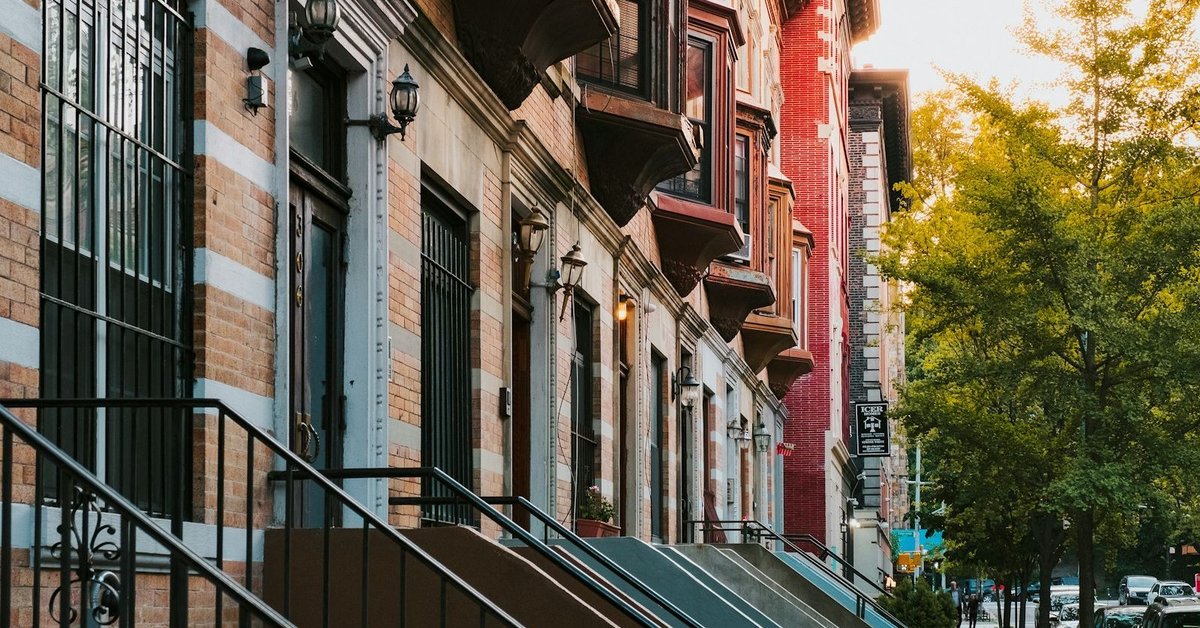
In the summer of 1919, a sharecropper’s daughter left rural Georgia with one suitcase and a train ticket. She arrived at Penn Station, walked north through Manhattan, and crossed 110th Street into a neighbourhood unlike anything she had ever seen. Harlem. By 1920, more than 100,000 African Americans had made the same journey. They came from Georgia, Alabama, Mississippi, and the Carolinas — fleeing poverty, racial violence, and a system designed to keep them down. What they built in Harlem changed America forever.
If you love New York’s hidden stories, you’ll love our free weekly newsletter. Subscribe to Love New York →
This is the story of the Great Migration — and the neighbourhood it created.
Why They Left the South
The Great Migration happened in two waves. The first ran from about 1910 to 1940. The second from 1940 to 1970. In total, six million African Americans moved from the South to Northern cities.
The reasons were clear. In the South, Jim Crow laws controlled every part of daily life. Black Americans could not vote. They could not use the same schools, hospitals, or restaurants as white citizens. Violence was routine. Between 1877 and 1950, more than 4,000 lynchings were recorded in the Southern states.
The North offered something different. Factory jobs paid wages. Children could attend school without fear. And a man could walk down the street without lowering his eyes. The First World War had created a labour shortage in Northern cities. Factories sent recruiters south. The Chicago Defender newspaper, read by Black families across the South, ran articles about life in the North. People packed up and left.
New York was a destination. And within New York, Harlem was the place.
How Harlem Became Black America’s Capital
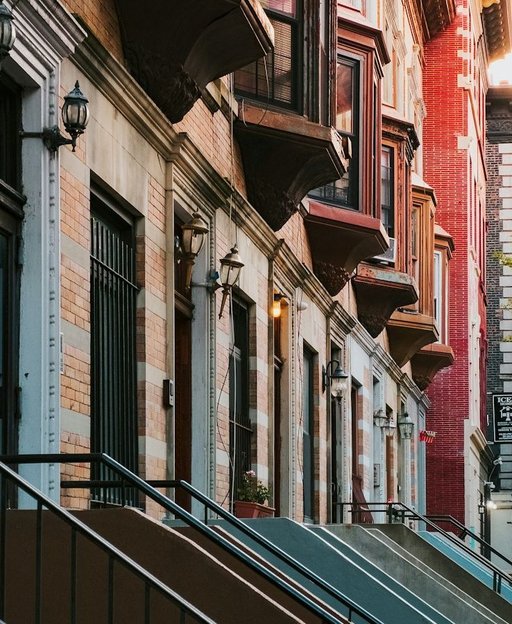
Harlem was not always a Black neighbourhood. In the late 1800s, it was a middle-class white community. Rows of grand brownstones lined the avenues. There were upmarket shops and churches. Then the property market crashed in 1904. Buildings sat empty. A Black entrepreneur named Philip Payton Jr. saw an opportunity.
Payton convinced white landlords to rent to Black tenants at higher rates. The gamble worked. Black families moved in. As more arrived, white residents left. By 1920, Harlem had become the largest Black urban community in the United States.
The geography mattered. Harlem sits at the top of Manhattan. Its wide boulevards — Lenox Avenue, Seventh Avenue, 125th Street — were built for a wealthier city that never quite arrived. When Black families filled those brownstones and opened businesses on those avenues, they created something the South had never allowed them. A city of their own.
The Harlem Renaissance: When the Neighbourhood Changed the World
Between 1920 and 1940, Harlem became the cultural capital of Black America. Writers, musicians, painters, and thinkers gathered in its brownstone apartments and basement clubs. They called it the Harlem Renaissance.
Langston Hughes wrote poetry at his home on East 127th Street. Zora Neale Hurston gathered folklore from Southern migrants in the neighbourhood’s streets and carried it into literature. Duke Ellington played the Cotton Club on Lenox Avenue. Billie Holiday performed at clubs along 133rd Street, a strip so alive with music it became known as Swing Street.
The Apollo Theatre on 125th Street opened its famous Amateur Night in 1934. Ella Fitzgerald won it at the age of seventeen. The audience at the Apollo was the most demanding in America. If you could hold that crowd, you could hold any crowd. Performers who won there went on to define American music.
Harlem also became a centre of political thought. Marcus Garvey organised from Liberty Hall on 138th Street, calling for Black pride and African return. A. Philip Randolph built the Brotherhood of Sleeping Car Porters nearby — the first labour union led by Black workers to win a contract with a major corporation. These were not just local movements. They shaped American history.
Want more stories like this? Our weekly newsletter goes deeper into New York’s heritage every week. It’s free. Subscribe here →
Daily Life in Harlem: What the Records Show
Life in Harlem was not easy. Overcrowding was severe. Landlords charged Black tenants more than white tenants paid for similar flats elsewhere in the city. A single room in a Harlem brownstone might be shared by six or eight people. Wages were lower. Jobs were harder to find.
In 1925, the average Black family in Harlem paid 40 per cent of its income on rent. For comparison, white working families in other neighbourhoods paid around 20 per cent. The margin between these numbers was extracted by exploitation.
And yet the community built institutions. The YMCA on 135th Street opened a library branch that became the Schomburg Center for Research in Black Culture — one of the world’s great archives of Black history and literature. Churches rose on every block. The Abyssinian Baptist Church on 138th Street, founded in 1808, became one of the most powerful Black congregations in America.
Community newspapers kept the neighbourhood informed. The Amsterdam News, founded in 1909 and still publishing today, covered Harlem life with a depth and pride that no mainstream newspaper would. It reported lynchings in the South. It celebrated local businesses. It gave the neighbourhood a voice.
The same wave of migration that shaped Harlem also transformed other New York neighbourhoods. The South Bronx became home to Puerto Rican and Irish communities during the same decades, each carving its own identity from the city’s streets. Across the river, Greenpoint’s Polish immigrants built a community with similar determination. Washington Heights, just north of Harlem, was shaped by its own succession of immigrant communities. New York was always built this way — neighbourhood by neighbourhood, wave by wave.
The Streets That Carry the History
Walk through Harlem today and the history is present if you know where to look.
125th Street is still the main commercial artery. The Apollo Theatre stands at 253 West 125th Street. Walk past at night and look at the marquee. Amateur Night still runs every Wednesday. The building opened in 1914 as a burlesque house. Black performers were banned until 1934. Since then, it has been the most famous stage in Black music history.
Lenox Avenue (Malcolm X Boulevard) runs north through the heart of Harlem. The street was renamed in 1987. Walk it from 110th Street to 145th Street and you walk through a century of history. The tenement buildings are still standing. Many of the churches are still active.
135th Street and Fifth Avenue is the site of the Schomburg Center for Research in Black Culture. It holds more than 10 million items. Handwritten manuscripts. Photographs. Recordings. You can search records here to trace ancestors who came north during the Great Migration. Entry is free.
Striver’s Row on 138th and 139th Streets between Seventh and Eighth Avenues is a row of Renaissance-style townhouses built in 1891. Black doctors, lawyers, and entertainers moved here in the 1920s. Duke Ellington lived on Edgecombe Avenue, just north of here, in a building called Sugar Hill where Thurgood Marshall and W.E.B. Du Bois also kept residences.
The Abyssinian Baptist Church at 132 Odell Clark Place (138th Street) is still active. Reverend Adam Clayton Powell Sr. built it into a force for social change in the 1920s. His son, Adam Clayton Powell Jr., became a United States congressman. Sunday services are open to visitors and are an extraordinary experience.
Tracing Great Migration Ancestry in Harlem
If your family has roots in the Great Migration, New York City holds records that can help you trace them.
The Schomburg Center at 515 Malcolm X Boulevard holds extensive archives. Its staff includes researchers specialising in African American genealogy. You can search digitised records from Black newspapers, church registers, and community organisations.
The New York City Department of Records holds birth, death, and marriage certificates. Records from 1866 onwards are searchable online. Many Great Migration arrivals married or had children in New York — these records often survive when Southern records do not.
The 1920 and 1930 US Census records (both now in the public domain) list every resident by address. If you know a family member arrived in Harlem between 1910 and 1930, a census search can find their exact street address. The New York Public Library’s Milstein Division of United States History holds census records on microfilm.
FamilySearch (free) and Ancestry (subscription) both hold digitised New York records. Search under maiden names as well as married names. Great Migration arrivals often changed surnames or used variants of Southern names.
Understanding how to trace New York City ancestry — from the first arrival at Ellis Island to the tenement registry — follows similar steps whether your family came from the American South or from Europe. The daily realities of 1910s New York shaped every arriving family, regardless of their origin.
Harlem Today: What Visitors Find
Harlem today is a neighbourhood in transition. Gentrification has changed parts of it significantly since the 1990s. Rents have risen. Some long-established businesses have closed. The old tensions of New York’s housing market — Black tenants paying more than the neighbourhood is worth — have returned in a new form.
But the history remains. The architecture of the Renaissance is intact. The churches are active. The Schomburg Center is open. The Apollo still runs Amateur Night.
Food is worth seeking out. Sylvia’s Restaurant on Malcolm X Boulevard has been serving Southern food since 1962. It is not a tourist trap — it is the real thing. Order the fried chicken. The Red Rooster on 126th Street brings together Southern, African, and Scandinavian influences in a dining room that feels like what Harlem has always been: a crossroads.
The Studio Museum on 125th Street (currently undergoing renovation) is the world’s leading museum of art by Black artists from across the diaspora. Its shop and programmes continue at nearby locations during the renovation. Check the website before you visit.
The neighbourhood is best walked. Start at 110th Street and walk north on Malcolm X Boulevard (Lenox Avenue). Walk all the way to 145th Street. At each block, look up at the brownstones. Someone’s great-grandmother lived here. She came from the South with one suitcase and built a life in these streets. The city she helped build is the city you are walking through.
Frequently Asked Questions
What was the Great Migration and when did it happen?
The Great Migration refers to the movement of approximately six million African Americans from the Southern United States to Northern cities between 1910 and 1970. It happened in two waves: the first from roughly 1910 to 1940, and the second from 1940 to 1970. New York City, and Harlem in particular, was one of the primary destinations of the first wave.
What is the best place to learn about Harlem’s history?
The Schomburg Center for Research in Black Culture at 515 Malcolm X Boulevard is the single best resource. It holds over 10 million items including manuscripts, photographs, and recordings, and offers free public access. The Apollo Theatre and Abyssinian Baptist Church are also essential visits for understanding Harlem’s cultural and political heritage.
How can I trace family who came to Harlem during the Great Migration?
Start with the Schomburg Center, which has specialised genealogy staff and extensive archives of Black community records. Supplement with the digitised 1920 and 1930 US Census records on FamilySearch (free) or Ancestry, which list residents by address. New York City birth, death, and marriage records from 1866 onwards are also searchable online through the NYC Department of Records.
Is Harlem safe to visit as a tourist?
Yes. Harlem is a vibrant, welcoming neighbourhood that receives many visitors. The area around 125th Street, the Apollo Theatre, and the Schomburg Center is lively during the day and early evening. As with anywhere in a large city, standard awareness is sensible after dark, particularly on quieter streets away from the main avenues.
What is the best time to visit Harlem?
Harlem Week, held each August since 1974, is the world’s largest African American and Caribbean cultural festival. It fills the streets with music, food, and community events for the entire month of August. Sunday morning is also a wonderful time to visit, when gospel music drifts from churches across the neighbourhood and a sense of deep community is palpable.
Ready to explore the New York your ancestors knew? Subscribe to Love New York — free weekly stories, heritage guides, and hidden history. Join us →
