
Four days in New York City is the perfect amount of time. Long enough to get under the skin of the city, short enough to keep your feet moving and your appetite sharp. You will not see everything — nobody does — but with four days you can cover the essentials, wander off-script into a neighbourhood that surprises you, and still find an hour to sit in Central Park doing absolutely nothing. That is what 4 days in New York City looks like when planned well.
This itinerary is built for first-time visitors who want to cover the classics without feeling rushed, and for return visitors who are ready to go a little deeper. Each day has a geographic logic — you will not be criss-crossing the city pointlessly — and every evening ends somewhere you will actually want to be.
Before you arrive, bookmark our complete guide to getting around New York City — the subway is your best friend here, and understanding it before you land makes everything smoother.
Day 1: Lower Manhattan, the Brooklyn Bridge, and Brooklyn Heights
Start where New York started. Lower Manhattan is the oldest part of the city, and walking through it on your first morning feels right. You are arriving where millions of others arrived before you — immigrants, dreamers, workers who built the skyline you came to see.
Morning: The Statue of Liberty and Ellis Island
Take the ferry to the Statue of Liberty from Battery Park. Book tickets well in advance — the pedestal and crown tickets sell out weeks ahead. If you have not pre-booked, the grounds-only ticket still gets you onto Liberty Island, and the views of the harbour are extraordinary from there. Ellis Island is included in the ferry ticket and is worth a full hour. The immigration records hold the names of over twelve million people who passed through between 1892 and 1954. Many visitors find a family name. Even those who do not find the experience quietly moving.
Back at Battery Park by midday, walk north along the Hudson River Greenway. It takes about twenty minutes to reach the Oculus — the extraordinary white winged structure that marks the World Trade Centre transit hub. The National September 11 Memorial is just beside it. The reflecting pools are calm and dignified, and the museum below is one of the most powerful in the country.
Afternoon: Wall Street, the Brooklyn Bridge, and DUMBO
Walk east along Fulton Street to Wall Street. The New York Stock Exchange building is impressively grand, the Charging Bull statue draws crowds even on a Tuesday, and the nearby Trinity Church — consecrated in 1846 — is a remarkably peaceful place ten minutes from the most frenetic financial district on earth.
From Wall Street, head north along the East River path to the Brooklyn Bridge. Walking across it takes about twenty-five minutes and the views are the reason everyone tells you to do it. Manhattan behind you, Brooklyn ahead, and the two stone towers rising above the wire cables that have held since 1883. Cross into Brooklyn and descend into DUMBO — Down Under the Manhattan Bridge Overpass — where the streets are cobbled, the warehouses have been turned into galleries and restaurants, and the framed view of the Manhattan Bridge down Washington Street is one of the most photographed spots in the city.
Evening: Brooklyn Heights Promenade
Walk uphill from DUMBO to Brooklyn Heights and find the Promenade — a narrow esplanade that runs along the clifftop above the Brooklyn-Queens Expressway with an unbroken view of Lower Manhattan and New York Harbour. Come at dusk when the buildings catch the light. This is what people mean when they say New York takes your breath away. Dinner in Brooklyn Heights or back in DUMBO — the neighbourhood has excellent restaurants — before heading back to Manhattan on the A or C train from High Street station.
Day 2: Central Park, the Upper East Side, and Midtown
Day two moves uptown. Central Park is best in the morning before the heat builds and the crowds arrive, the Metropolitan Museum of Art can absorb the better part of an afternoon, and Midtown in the evening has an energy unlike anywhere else on earth.
Morning: Central Park
Enter the park from the Fifth Avenue side at 72nd Street. The Conservatory Garden, the Bethesda Fountain, the Reservoir, the Ramble — Central Park has 843 acres and most visitors see a tiny fraction. Our complete Central Park visitor guide will help you plan the morning. At minimum: walk to Bethesda Terrace, take the path along the Reservoir, and if you have time, push north to the Conservatory Garden, which is quieter and genuinely beautiful.
The Loeb Boathouse on the Lake does breakfast and lunch — grab a coffee and a table with a view of the water before heading to the museum.
Afternoon: The Metropolitan Museum of Art
The Met is directly across the street from Central Park on Fifth Avenue at 82nd Street. It is one of the largest art museums in the world and you will not see all of it — plan to spend two to three hours choosing your corners. The Egyptian Wing with its Temple of Dendur is extraordinary. The European Paintings galleries on the second floor hold Rembrandts, Vermeers, and enough Impressionists to make the trip worthwhile on their own. The rooftop sculpture garden has panoramic views over the park and is free with museum admission.
Evening: Midtown — 5th Avenue, Times Square, and the Empire State Building
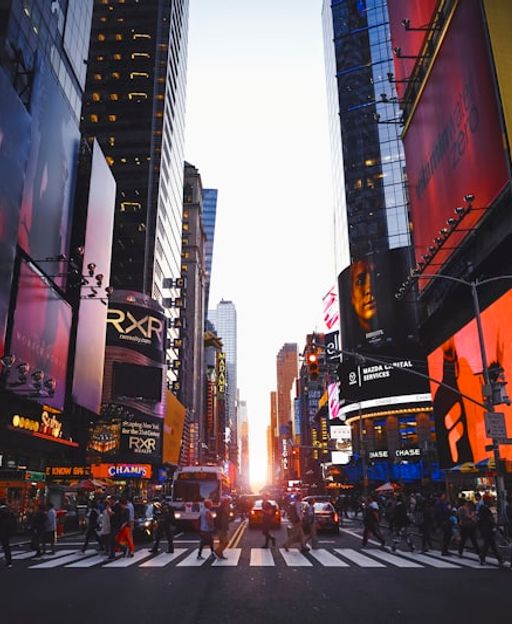
Walk south along Fifth Avenue from the Met. You will pass the Frick Collection at 70th Street (Vermeer, Rembrandt, Turner, in a gilded Gilded Age mansion), the Plaza Hotel, the Apple Store glass cube, and Rockefeller Centre before arriving at Times Square. Times Square is overwhelming and ridiculous and completely worth doing once. The neon is real, the energy is real, and the hot dog you buy from a cart on Broadway will be better than it has any right to be.
Book the Empire State Building observation deck for sunset. The 86th-floor deck is open air and the views in every direction on a clear evening are among the best in the city. Book the last entry slot of the evening for a manageable queue and the city shifting from golden hour into full illumination.
Day 3: The High Line, Greenwich Village, and the Lower East Side
Day three leaves the tourist trail behind — in the best possible way. The High Line, the West Village, Greenwich Village, and the Lower East Side form a downtown arc that shows you the New York that New Yorkers actually live in. The architecture shifts, the restaurants get smaller and better, and the streets start to feel like something you could actually belong to.
Morning: The High Line and Chelsea Market
Start at the southern end of the High Line at Gansevoort Street in the Meatpacking District. The High Line is a 1.45-mile elevated park built on a disused freight railway that once served the factories of West Chelsea. It opened in 2009 and transformed the neighbourhood around it. Walk north through the park — the plantings change season by season, the art installations change throughout the year, and the views across the Hudson River and into the Chelsea neighbourhood below are excellent. Exit at 16th Street and descend to Chelsea Market for lunch. The market occupies a former Nabisco biscuit factory (the Oreo was invented here) and the food hall inside is genuinely excellent.
Afternoon: Greenwich Village and Washington Square Park
Walk south and east into Greenwich Village. The West Village streets — particularly Bleecker Street, Bedford Street, and Grove Street — are some of the most beautiful in the city: brownstones with window boxes, small independent bookshops, bakeries that have been in the same family for generations. Washington Square Park at the heart of the Village is always animated: chess players at the stone tables, students from NYU on the benches, musicians around the fountain, the arch at the north end framing the Manhattan skyline beyond.
Evening: The Lower East Side
Head east into SoHo and then further east to the Lower East Side. The LES was the first home of wave after wave of immigrants — Jewish, Italian, Chinese, Puerto Rican — and the neighbourhood still carries that layered history in its streets. Katz’s Delicatessen on Houston Street has been serving pastrami since 1888 and is worth the queue. After dinner, the LES has some of the best bars in the city: small, unpretentious, and full of people who actually live here. The hidden gems guide has several Lower East Side spots that the guidebooks have not caught up with yet.
Day 4: Brooklyn — Williamsburg, Park Slope, and Prospect Park
Your fourth day belongs to Brooklyn. Manhattan gets the attention but Brooklyn is where much of the city’s creative and culinary life actually happens. Williamsburg for the morning and early afternoon, Park Slope and Prospect Park for the late afternoon, and a final Brooklyn dinner before your last night in the city.
Morning: Williamsburg
Take the L train from Eighth Avenue (in Manhattan) to Bedford Avenue, the first stop in Williamsburg. The neighbourhood changed dramatically in the 2000s and 2010s — from a Polish and Hasidic Jewish community into one of the most photographed neighbourhoods in New York — but it retains genuine character. Bedford Avenue between North 7th and North 10th Streets is lined with coffee shops, independent clothing boutiques, and record stores. The street murals on the side streets are worth finding. The Brooklyn Flea market (weekends, April to October) at the Domino Park waterfront is excellent. Walk along the waterfront itself — the views back to Manhattan from the Williamsburg waterfront are among the best in Brooklyn.
Read the full Brooklyn visitor guide for neighbourhood-by-neighbourhood detail on everything the borough has to offer.
Afternoon: Park Slope and Prospect Park
Take the G train (or the L train to the J/M and then transfer) south to Park Slope. Park Slope is what you imagine when you imagine Brooklyn: tree-lined streets of Romanesque Revival brownstones, pushchairs and dogs and farmers’ markets, a neighbourhood that takes its food seriously. Seventh Avenue is the main commercial street and worth an hour’s wandering.
Prospect Park is directly behind Park Slope. Designed by Frederick Law Olmsted and Calvert Vaux — the same pair who designed Central Park — it opened in 1867 and Olmsted himself said he preferred it to Central Park. The Long Meadow, the Ravine (Brooklyn’s only forest), the Boathouse on the Lullwater — it is a remarkable piece of green space that most Manhattan visitors never get to. The Brooklyn Botanic Garden adjoins the park on the eastern side and has one of the best Japanese cherry blossom collections in North America.
Evening: A Last Brooklyn Dinner
Come back to Park Slope or head to Carroll Gardens for dinner. Both neighbourhoods have outstanding restaurants — Italian-American in Carroll Gardens, global in Park Slope — and neither has the prices you will pay in Manhattan. This is your last night: eat well, order something you have never had before, and walk back to the subway slowly. New York rewards people who slow down.
Practical Tips for 4 Days in New York City
Getting Around
The subway runs 24 hours and costs $2.90 per ride on an OMNY card (tap your contactless bank card or phone directly). Taxis and Ubers are useful late at night or when carrying luggage but will be slower than the subway at peak hours. Walking is often the fastest option for journeys under twenty minutes in Manhattan — use the grid: avenues run north-south, streets run east-west, and the numbers go up as you go north.
Where to Stay
Midtown is the most convenient base for a four-day itinerary — the subway connects you in every direction and most of Day 2’s highlights are walkable. The Upper West Side and Chelsea are quieter and still central. Brooklyn (Williamsburg or DUMBO) is excellent for visitors who want to spend most of their time in the borough, but adds twenty to thirty minutes of travel time to Lower and Midtown Manhattan. Budget for $180–$350 per night for a decent hotel in a central location; boutique hotels in the outer neighbourhoods start lower.
Food and Budget
New York can be expensive but it does not have to be. A bagel from a street cart is $2. A slice of pizza — the classic fold-in-half New York slice — is $3.50 to $5. Lunch at a deli counter runs $12–$18. The best meals in the city are often in neighbourhood restaurants that cost no more than a tourist restaurant in a lesser city. Our New York City food guide is organised by neighbourhood and budget. For visitors watching their spending, the free things to do guide has a full list of no-cost highlights — several of which are on this itinerary already.
What to Book in Advance
Book these before you arrive: Statue of Liberty and Ellis Island ferry tickets (two to three weeks ahead at minimum), Empire State Building observation deck (same day or one day ahead is usually fine, but evenings sell out), the Met is pay-what-you-wish for state residents but has a suggested admission of $30 for adults. Restaurants in demand neighbourhoods (West Village, DUMBO, Park Slope) book out quickly at weekends — check OpenTable or Resy a few days ahead.
Frequently Asked Questions: 4 Days in New York City
Is 4 days in New York City enough?
Four days gives you enough time to cover Lower Manhattan, Central Park, Midtown, and Brooklyn with room for a few surprises. You will not see everything — New York is inexhaustible — but with four days you can build a satisfying and varied experience without feeling constantly rushed.
How much does 4 days in New York City cost?
Budget travellers can manage on $100–$150 per day excluding accommodation, using the subway, eating from delis and pizza counters, and taking advantage of free attractions. Comfortable mid-range travel with sit-down meals and paid attractions typically runs $200–$300 per day. Accommodation adds $150–$400 per night depending on location and standard.
What is the best time of year for 4 days in New York City?
Spring (April and May) and autumn (September and October) are the most comfortable seasons — mild temperatures, lower humidity, and excellent light for photography. Summer (June to August) is hot and humid but energetic, with free outdoor concerts and films in the parks. Winter is cold but the city has real atmosphere between November and early January when the Christmas lights are up.
Do I need a car for 4 days in New York City?
No. A car in Manhattan is a liability — parking costs $40–$80 per day in central areas, traffic is slow, and the subway reaches every neighbourhood on this itinerary. Use the OMNY system (tap your contactless card) and walk when in doubt. If you plan to do day trips to New Jersey or upstate New York during your visit, a rental car for that day only makes sense.
How do I get from JFK airport to Manhattan?
The AirTrain from JFK to Jamaica station in Queens connects to the E, J, and Z subway lines to Manhattan and costs around $10 total. It takes about 50 to 70 minutes to Midtown. Taxis from JFK have a flat rate of $70 to Manhattan (plus tolls and tip). The LIRR (Long Island Rail Road) from Jamaica to Penn Station is faster and costs around $12–$20. Uber and Lyft are also widely used and generally cost $50–$80 from JFK during normal hours.
Join 1,000+ New York Lovers
Every week, get New York’s hidden gems, local secrets, and travel inspiration — the kind you won’t find in any guidebook.
Subscribe free — enter your email:
Love more? Join 64,000 Ireland lovers → · Join 43,000 Scotland lovers → · Join 30,000 Italy lovers →
Free forever · One email per week · Unsubscribe anytime

Subscribe Free