
There are few places in New York City quite like Coney Island. From the thunder of the legendary Cyclone roller coaster to the smell of Nathan’s Famous hot dogs drifting along the boardwalk, things to do at Coney Island range from free beach days to thrilling fairground rides — and everything in between. This corner of Brooklyn has welcomed visitors for over a century, and in 2026 it remains one of the city’s most rewarding escapes.
All the Things to Do at Coney Island
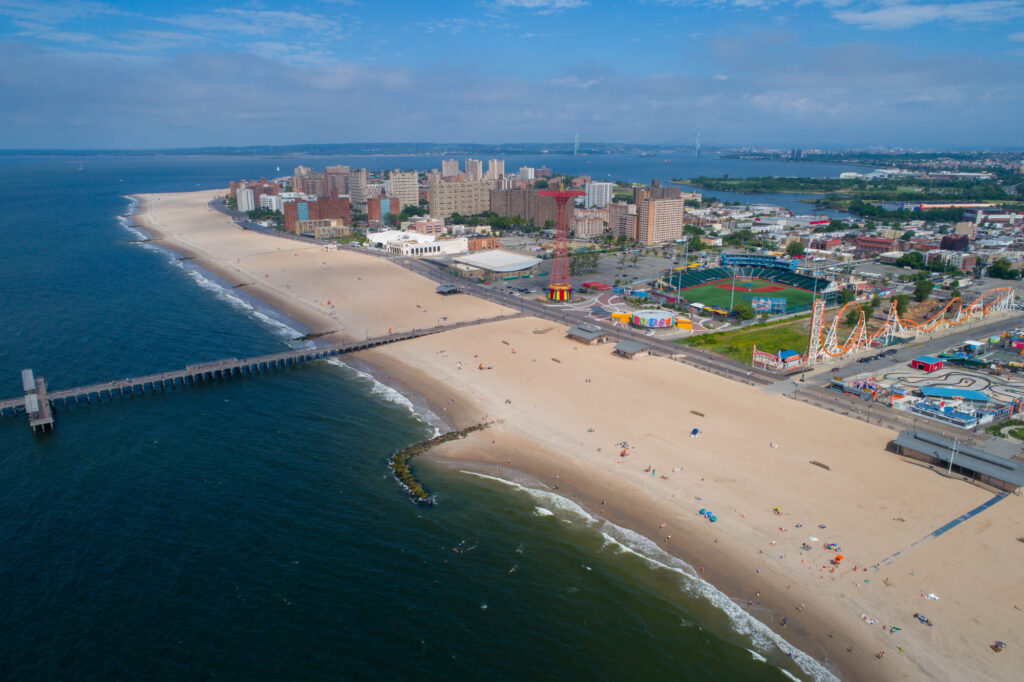
Coney Island sits on the southern tip of Brooklyn, facing the Atlantic Ocean. The subway drops you here in around 50 minutes from Midtown Manhattan. The area packs a mile-long boardwalk, a public beach, two amusement parks, the New York Aquarium, and some of the most memorable food in the five boroughs into a single walkable strip.
What sets Coney Island apart is its personality. This is not a polished, corporate theme park. It is loud, colourful, and wonderfully imperfect — and that is precisely the point. The Wonder Wheel has been turning since 1920. The Cyclone first rattled its tracks in 1927. Visiting feels like stepping into a piece of living New York history.
If you are planning a trip to Brooklyn, a day at Coney Island belongs on your list.
Luna Park: Rides, Thrills and the Heart of Coney Island
Luna Park is the main amusement park at Coney Island. It opens each spring and runs through to autumn. The park includes dozens of rides — from gentle carousels for younger children to serious thrill rides for adults.
The Cyclone
The Cyclone is the star of the show. Craftsmen completed this wooden roller coaster in 1927, and it now carries New York City landmark status. It climbs to just over 85 feet and reaches speeds of around 60 miles per hour. The ride lasts less than two minutes — but they are two minutes you will not quickly forget. The Cyclone operates separately from the main Luna Park ride packages, so check the price before you join the queue.
The Wonder Wheel
The Wonder Wheel has become the symbol of Coney Island. Builders completed this enormous Ferris wheel in 1920, and it stands over 150 feet tall. Visitors choose between stationary gondolas and swinging gondolas. The swinging versions slide back and forth on rails as the wheel turns — a very different experience from a standard Ferris wheel. On a clear day, the views from the top across the Atlantic and back towards Manhattan are genuinely spectacular.
Other Rides at Luna Park
Beyond the Cyclone and Wonder Wheel, Luna Park runs water rides, spinning attractions, and midway games. A ride package covers most attractions and offers good value if you plan to spend several hours at the park. Younger children find plenty here — the park caters well to families with small children, with dedicated kiddie ride sections.
Deno’s Wonder Wheel Amusement Park
Just next to Luna Park sits Deno’s Wonder Wheel Amusement Park. The Wonder Wheel itself belongs to Deno’s, not Luna Park — a distinction worth knowing when you buy tickets. Deno’s is a smaller, family-owned operation with decades of history on Coney Island. It has its own rides, including the Spookarama dark ride and bumper cars. The atmosphere here feels more traditional — step inside and you might feel as though you have arrived at a classic 1970s seaside fair.
Want more New York stories like this one? Subscribe free to the Love New York newsletter — weekly lesser-known corners, local secrets, and travel inspiration delivered to your inbox.
The Coney Island Boardwalk
The Riegelmann Boardwalk stretches for just over a mile along the seafront. Walking it costs nothing, and it stays open year-round. In summer, the boardwalk fills with visitors, cyclists, vendors, and street performers. In winter, it turns quiet and windswept — well worth a visit if you want to see Coney Island in a very different mood.
The boardwalk connects Coney Island to Brighton Beach, the neighbourhood directly to the east. Brighton Beach is home to a large Russian-speaking community and carries its own distinct character. Restaurants along Brighton Beach Avenue serve Georgian, Ukrainian, and Russian food. The contrast with the noise of the fairground could not be sharper, and walking the full stretch between the two neighbourhoods makes for an absorbing afternoon.
Coney Island Beach
Coney Island Beach is a public beach, and the New York City Parks Department manages it. Entry is free. The beach stretches for about three miles in total, including the Brighton Beach section. In summer it gets very busy, particularly on hot weekends. Arrive early to find a comfortable spot. The water is the Atlantic Ocean, which can be cold even in July and August. Lifeguards patrol the beach during the summer season.
If you are looking for free things to do in New York, a day at Coney Island Beach is one of the best options in the entire city. Pack a picnic, hire a beach chair, and enjoy the view.
What to Eat at Coney Island
Eating at Coney Island is part of the experience. The options range from classic boardwalk food to sit-down restaurants, and the quality varies widely. Here is what to look for.
Nathan’s Famous Hot Dogs
Nathan’s Famous is the most iconic food stop on Coney Island. Nathan Handwerker opened the original restaurant on this site in 1916. The hot dogs here are an institution — the same ones served at the famous Fourth of July eating contest held here each year. The crinkle-cut fries are excellent, and the prices are reasonable. A meal at Nathan’s is as much about the history as the food. Visit the original Surf Avenue location for the full experience.
More Food on the Boardwalk
Beyond Nathan’s, the boardwalk and surrounding streets offer pizza, corn on the cob, knishes, cotton candy, zeppole (fried dough dusted with powdered sugar), and a wide range of ice cream and frozen treats. Paul’s Daughter and Williams Candy Shop are two local favourites worth seeking out. Several restaurants along the boardwalk also serve seafood — fish and chips, clam strips, lobster rolls — at varying prices.
For a wider guide to eating across the city, our New York City food guide covers the best restaurants and food neighbourhoods across all five boroughs.
New York Aquarium
The New York Aquarium occupies a spot right on the Coney Island waterfront. The Wildlife Conservation Society operates it, and it stays open year-round. The aquarium houses sharks, sea turtles, sea otters, seals, walruses, and a range of tropical fish and marine life. Outdoor seal and sea lion exhibits give younger visitors a chance to watch feeding sessions up close. The aquarium charges an admission fee, but it is an excellent option if you visit with children or if the weather turns while you are in the area.
Sideshows by the Seashore
Sideshows by the Seashore is a unique piece of old Coney Island that has survived into the present day. The sideshow performs traditional acts — sword swallowing, fire eating, and contortionism among them. Performances take place inside the Coney Island Museum building on Surf Avenue. If you have any interest in the history and culture of Coney Island, the small museum upstairs is worth a visit too. Admission to the museum is cheap, and the sideshow sells tickets separately.
Catching a Baseball Game at MCU Park
MCU Park — also known as Maimonides Park — is a minor league baseball stadium on the Coney Island waterfront. The Brooklyn Cyclones, a New York Mets affiliate, call it home. A game here is one of the most relaxed and enjoyable sporting experiences in New York. The stadium holds around 8,000 fans, and the atmosphere is friendly and informal. From many seats, you can see the Atlantic Ocean beyond the outfield wall. The season runs from June through September, and tickets are very affordable compared to major league baseball.
How to Get to Coney Island
Coney Island is easy to reach by subway. The D, F, N, and Q trains all stop at Coney Island – Stillwell Avenue station. The journey from Midtown Manhattan takes between 45 and 55 minutes. The station drops you directly onto Surf Avenue, a short walk from the boardwalk and amusement parks.
Driving to Coney Island is possible, but parking is limited and expensive in summer. The subway is the practical choice for most visitors. For a complete guide to moving around the city, our guide to getting around New York City covers the subway, buses, taxis, and cycling in full detail.
When to Visit Coney Island
Coney Island is at its most vibrant from late May through to early September. Luna Park opens in this period, the beach fills with visitors, and the boardwalk comes fully to life. The busiest days fall on Saturday and Sunday afternoons in July and August. A weekday visit gives you more space and shorter queues at the rides.
Coney Island also rewards a visit outside the summer season. Luna Park closes in September or October, but the boardwalk, beach, restaurants, and aquarium all remain open year-round. An autumn or early spring visit feels very different — quiet, atmospheric, and excellent for photography. The sight of the empty rides and deserted boardwalk in winter is genuinely striking.
Practical Tips for Visiting Coney Island
- Wear comfortable shoes. You will walk a lot — from the subway to the beach, along the boardwalk, and through the amusement parks.
- Bring cash. Some vendors and sideshow attractions accept cash only. ATMs are available nearby but can have queues on busy summer days.
- Check Luna Park opening times. Luna Park is seasonal and its hours change by date. Check their website before you go.
- Protect yourself from the sun. The beach faces south with very little natural shade. Pack sun cream and a hat if you plan to spend time on the sand.
- Respect the water. The Atlantic can carry strong currents. Swim only in designated areas when lifeguards are on duty.
- Budget ahead. The beach and boardwalk cost nothing, but rides, the aquarium, and food add up quickly. Our New York City travel budget guide has tips on managing costs across the whole city.
Frequently Asked Questions About Coney Island
What is the best time to visit Coney Island?
The best time to visit Coney Island is from late May to early September, when Luna Park is open and the beach is at its liveliest. For a quieter visit with shorter queues, aim for a weekday rather than a summer weekend afternoon.
Is Coney Island free to visit?
Yes — the Coney Island boardwalk and beach are free to access. You can walk the full boardwalk and spend a day on the beach without spending a penny. Luna Park rides, Deno’s attractions, the New York Aquarium, and Sideshows by the Seashore all charge separate admission fees.
How long should I spend at Coney Island?
A full day — around five to seven hours — gives you time to walk the boardwalk, spend a few hours on the beach, eat at Nathan’s, and explore the amusement parks. If you also want to visit the aquarium or catch a baseball game, allow a little extra time. A half-day visit covers the main highlights comfortably.
How do I get to Coney Island from Manhattan?
Take the D, F, N, or Q subway train to Coney Island – Stillwell Avenue station. The journey takes around 45 to 55 minutes from Midtown Manhattan. The station deposits you directly on Surf Avenue, a short walk from the boardwalk and the amusement parks.
Join 1,000+ New York Lovers
Every week, get New York’s lesser-known corners, local secrets, and travel inspiration.
Subscribe free — enter your email:
Free forever · One email per week · Unsubscribe anytime
