
When people think of the Upper East Side, they often picture old money, elegant townhouses, and the finest museums in the world. That reputation is well earned — but the best things to do in the Upper East Side go far beyond a single afternoon at a gallery. This is a neighbourhood with genuine depth: world-class museums, quiet riverside parks, a layered immigrant history, and streets lined with pre-war brownstones that look exactly as New York should look. Whether you are a first-time visitor planning a full day on Museum Mile or a return traveller looking for the corners most tourists miss, the Upper East Side delivers.
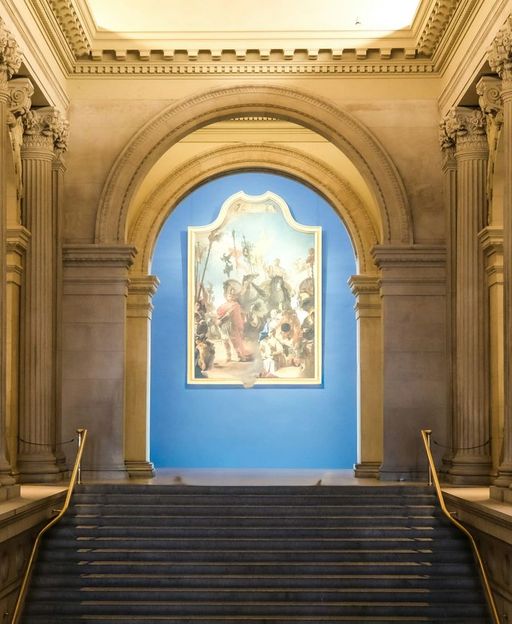
Museum Mile — The Greatest Concentration of Museums in the United States
Fifth Avenue along the Upper East Side is home to Museum Mile, a stretch running roughly from East 82nd Street to East 110th Street that holds more museums per block than almost anywhere else on earth. For visitors who care about art, history, design, or culture, a morning or afternoon here is one of the best ways to spend time in New York City.
The Metropolitan Museum of Art
No visit to the Upper East Side is complete without time at the Metropolitan Museum of Art — known to New Yorkers simply as the Met. The museum holds over two million works spanning five thousand years of human creativity: ancient Egyptian artefacts and Greek sculpture sit alongside Rembrandt, Vermeer, and contemporary American photography. Allow at least half a day; most people find that a full day still leaves entire wings unexplored.
The Met rooftop is one of the great views in Manhattan. During the warmer months, a rotating sculptural installation draws visitors outside onto the terrace for sweeping views across Central Park and the Midtown skyline. The rooftop bar opens in late spring — arrive late afternoon for the best light and the calmest crowds.
The Guggenheim Museum
A few blocks north on Fifth Avenue, the Solomon R. Guggenheim Museum is as much an architectural experience as an artistic one. Frank Lloyd Wright designed the building’s spiralling white rotunda, completed in 1959, and it remains one of the most distinctive structures in New York. The collection focuses on modern and contemporary art, with particular strength in Impressionism, Post-Impressionism, and Abstract Expressionism. Walking the curved ramp from floor to floor creates a rhythm to the visit that feels entirely different from any other gallery in the city.
The Neue Galerie
For something more intimate, the Neue Galerie on East 86th Street showcases early twentieth-century German and Austrian art and design. The permanent collection includes Gustav Klimt’s Portrait of Adele Bloch-Bauer I — one of the most celebrated paintings in the United States. The ground-floor café, Café Sabarsky, serves Viennese pastries, sachertorte, and excellent coffee in a room that feels lifted directly from 1920s Vienna. Even if you visit only for the café, the experience is worth the trip.
The Cooper Hewitt, Smithsonian Design Museum
The Cooper Hewitt occupies the Carnegie Mansion at East 91st Street and focuses entirely on design — industrial, graphic, fashion, digital, and product design across every era. Visitors receive an interactive pen that collects information from display cases and allows them to design their own pieces at interactive stations throughout the building. It is one of the most genuinely engaging museum experiences in New York, and works particularly well for visitors with children.
The Jewish Museum
The Jewish Museum, housed in a Gothic Revival mansion at East 92nd Street, holds one of the most significant collections of Jewish art and culture in the world. The permanent galleries trace Jewish history and identity across four thousand years, while changing exhibitions bring contemporary art and modern cultural conversations into dialogue with that history. The museum offers free admission on Saturday afternoons — one of the best value cultural hours in the neighbourhood.
Carl Schurz Park and the East River Promenade
While Central Park defines the western edge of the Upper East Side, the quieter Carl Schurz Park runs along the East River on the neighbourhood’s eastern side. The park’s riverside promenade offers views across to Queens and the Hell Gate Bridge — a very different prospect from the park’s more visited interiors, and far less crowded at any time of year.
The park surrounds Gracie Mansion, the official mayoral residence of New York City. Completed in 1799, it is one of the oldest surviving wooden buildings in Manhattan. The mansion runs guided tours during the warmer months — booking ahead is advised, as spaces fill quickly. The grounds themselves are freely accessible year-round.
🗽 Free Guide: New York State Road Trip Itinerary (2026)
Hudson Valley, Catskills, Finger Lakes wine country, Adirondacks, and the drives most NYC visitors never take — with distances, best stops, and when to go. Free when you subscribe to Love New York.
Get the Free Road Trip Guide →
Subscribe free at the guide page to receive weekly New York stories
Madison Avenue — Galleries, Boutiques, and Beautiful Architecture
Madison Avenue through the Upper East Side is one of the great shopping streets in Manhattan — but it is also one of the most rewarding simply to walk, even without a budget to spend. Between East 60th and East 86th Streets, you will find long-established art galleries alongside fashion boutiques, antique dealers, and bookshops that have occupied the same premises for decades.
The architecture rewards close attention. Townhouses, pre-war apartment buildings, and carriage houses tucked into side streets between Madison and Park give the Upper East Side a visual character that genuinely differs from the rest of Manhattan. The blocks between East 70th and East 80th Streets are among the most beautifully preserved in the city — a walk here feels like stepping into a New York that has largely vanished elsewhere.
The Carlyle Hotel on East 76th Street is worth noting even if you are not staying there. The Bemelmans Bar in the basement — named after Ludwig Bemelmans, who created the Madeline books and painted the murals that cover the walls — is one of the most atmospheric bars in New York. Live jazz plays most evenings from around nine o’clock.
Lexington Avenue — Food, Markets, and Local Life
Lexington Avenue is where the Upper East Side actually lives. Between East 60th and East 96th Streets, the avenue is lined with bakeries, wine shops, diners, Korean grocery stores, Italian delis, and neighbourhood restaurants — the kind of everyday food culture that has become rare in many parts of Manhattan as rents have risen.
Eli’s Market
Eli’s Market on East 80th Street is one of the best food shops in Manhattan. The prepared food section is outstanding for a quick lunch, the bread counter is exceptional, and the cheese selection draws shoppers from well beyond the neighbourhood. Pick up supplies here and cross to the park — Central Park’s eastern entrances are just a short walk away, and a picnic on the grass near the Metropolitan Museum is one of the great simple pleasures of a New York afternoon.
Schaller & Weber
This German butcher shop on East 86th Street has operated in Yorkville since 1937. The Upper East Side’s Yorkville district was once a thriving German and Central European immigrant enclave, and Schaller & Weber is one of the last surviving remnants of that heritage. The shop sells handmade sausages, German mustards, and cured meats prepared to recipes that have barely changed since the shop opened. It is worth a visit simply to understand the neighbourhood’s layered history.
Yorkville — The Neighbourhood Within the Neighbourhood
The eastern stretch of the Upper East Side — roughly east of Third Avenue between East 79th and East 96th Streets — carries the name Yorkville. This was historically a German, Hungarian, and Central European immigrant district, and traces of that history survive in the architecture, a few long-standing shops, and the general character of the streets.
Today, Yorkville has evolved into one of the most liveable and least touristy corners of Manhattan. The side streets hold brownstones, neighbourhood restaurants, and the kind of local bars where residents actually drink. If you want to understand what Manhattan’s residential life looks and feels like away from the tourist routes, an afternoon in Yorkville is time very well spent. It pairs naturally with a walk to Carl Schurz Park, which lies just a few blocks east.
For visitors interested in New York’s immigrant past, Yorkville connects to the broader story of Manhattan’s ethnic neighbourhoods. Our guide to self-guided walking tours of New York City includes a route through the Upper East Side that takes in both the surviving traces of Yorkville’s Central European history and the elegant architecture of the museum district.
Where to Eat in the Upper East Side
The Upper East Side has one of the quietest but most consistent restaurant scenes in Manhattan. Unlike the Lower East Side or the West Village, this neighbourhood does not chase trends — it serves the food that its residents return to, week after week.
Sette Mezzo on Lexington Avenue is a long-standing Italian favourite, popular with neighbourhood regulars and known for its no-reservation policy. Arrive early or expect to wait — and the wait is worth it. Café d’Alsace on Second Avenue offers solid French brasserie cooking with a remarkably good beer list in a comfortable, unhurried room. Café Sabarsky at the Neue Galerie remains the most atmospheric option for coffee and cake in the neighbourhood — the Viennese sachertorte is exceptional.
For a more local experience at breakfast or lunch, the coffee bars and sandwich shops along Lexington Avenue between East 80th and East 90th Streets are reliably good and far less crowded than anything in Midtown.
How to Get to the Upper East Side
The Upper East Side connects to the rest of Manhattan via several subway lines. The 4, 5, and 6 trains run up Lexington Avenue with stops at East 59th, 68th, 77th, 86th, and 96th Streets. The Q train runs under Second Avenue and stops at East 63rd, 72nd, 86th, and 96th Streets — a welcome addition for visitors staying east of Midtown.
The M1, M2, M3, and M4 buses run along Madison and Fifth Avenues, making them useful for reaching museums along the Mile without navigating the subway. For visitors coming from Midtown on foot, the walk north up Fifth Avenue from the park’s south entrance takes about twenty minutes to reach the Guggenheim, with the Met a short distance further north.
If you are fitting the Upper East Side into a broader itinerary, it pairs naturally with the Upper West Side — the two neighbourhoods sit on opposite sides of Central Park and share easy crossings at East 72nd, 79th, 86th, and 96th Streets. Our 3 Days in New York City itinerary maps a route that takes in both sides of the park in a single day.
Tips for Visiting the Upper East Side
Arrive at the Met when it opens at ten o’clock — the first hour is significantly quieter than the rest of the day, and the light in the European painting galleries is at its best in the morning. The rooftop opens later in the day, so plan to move through the interior galleries first and save the terrace for midday.
Buy a combined museum ticket if you plan to visit more than two institutions. Several museums in the neighbourhood offer partnership deals or shared membership programmes. The CityPASS or New York Pass include the Met and sometimes the Guggenheim — worth checking before you pay individual entry fees.
Wear comfortable shoes. Museum Mile stretches for over a mile along Fifth Avenue, and a full day of galleries adds significant walking on top of the transit distances. The Upper East Side is not a neighbourhood to rush — its pleasures reward a slower pace and an eye for detail.
What is there to do in the Upper East Side for free?
Several of the best things to do in the Upper East Side cost nothing. Carl Schurz Park and the East River Promenade are freely accessible at all times. Central Park’s eastern entrances — closest to the neighbourhood — lead to some of the park’s quietest paths. Museum Mile also hosts a free festival each June, when participating museums open their doors on one Tuesday evening at no charge. The Jewish Museum offers free Saturday afternoon admission, and the Cooper Hewitt has select evenings with free entry throughout the year.
How do I get to Museum Mile on the Upper East Side?
Take the 4, 5, or 6 train up Lexington Avenue and alight at 86th Street for the Metropolitan Museum and the Guggenheim — both are a short walk west on the respective cross streets. The Q train on Second Avenue also stops at 86th Street and offers a useful alternative from Midtown. From the subway, walk west toward Fifth Avenue and the park; the museums line up along the avenue from East 82nd Street northward.
Is the Upper East Side worth visiting as a tourist?
Yes — it is one of the best neighbourhoods in Manhattan for visitors who want a mix of world-class culture, beautiful architecture, and a genuine sense of local life. Museum Mile alone justifies a full day. The neighbourhood also offers a calmer pace than Midtown or the Lower East Side, with excellent restaurants, brownstone-lined side streets, and immediate access to Central Park. Yorkville and the East River waterfront add depth beyond the museum circuit, making the Upper East Side one of the most rewarding areas in New York to explore properly.
Join 1,000+ New York Lovers
Every week, get New York’s hidden gems, local secrets, and travel inspiration — the kind you won’t find in any guidebook.
Subscribe free — enter your email:
Love more? Join 64,000 Ireland lovers → · Join 43,000 Scotland lovers → · Join 30,000 Italy lovers →
Free forever · One email per week · Unsubscribe anytime
