
The best self-guided walking tours in New York City show you a side of the city you miss from a cab or the subway. New York is built for walking: grid streets, short blocks and dense neighborhoods reward every step. Whether you have two hours or a full day, these five routes take you through Manhattan and across the river to Brooklyn, no guide required.
How to Use These Five Walks
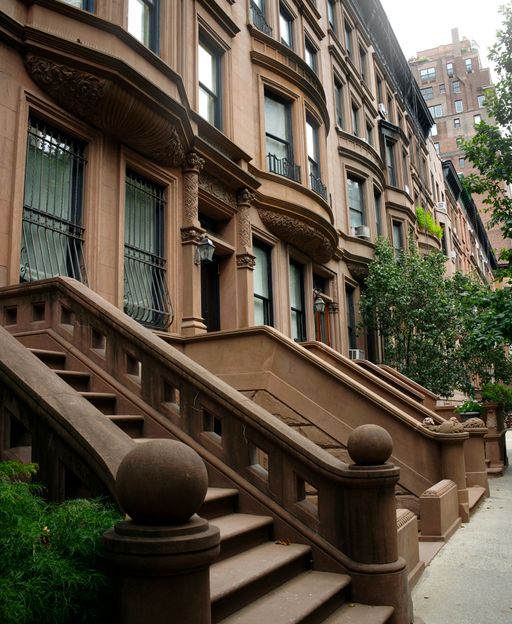
New York City covers five boroughs and hundreds of distinct neighborhoods, but the places most worth seeing are packed close together. From the Brooklyn Bridge to Central Park, from the High Line to Washington Square Park, the city’s best moments happen at street level: a corner coffee shop, a mural on a side street, a garden glimpsed behind a West Village townhouse.
Each of these five routes takes between 90 minutes and three hours at a relaxed pace, on mostly flat, paved ground. You can stretch any of them into a half day with a few detours.
Walk 1: Lower Manhattan and the Brooklyn Bridge
Distance: about 2.2 miles (3.5 km) | Time: 90 minutes to 2 hours
Start at The Battery (Battery Park) at the southern tip of Manhattan. From here you see the Statue of Liberty across the harbor, and inside the park stands Castle Clinton National Monument, a fort from the early 1800s run by the National Park Service. Walk north along the East River waterfront past Pier 17 and the old Fulton Fish Market buildings at the South Street Seaport.
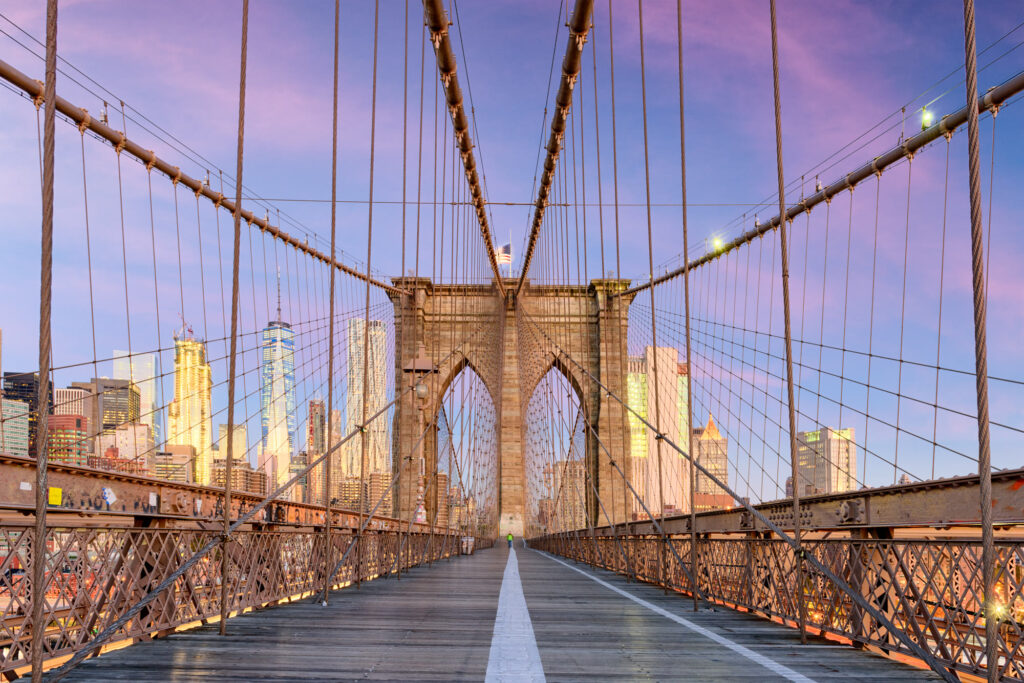
Then head inland to the bridge’s walkway entrance by City Hall Park. Walking the Brooklyn Bridge is one of the great New York experiences: the wooden promenade runs above the traffic, high over the East River, with Manhattan behind you and Brooklyn opening ahead.
Cross the bridge and walk down into DUMBO, full of independent cafés and galleries. On Washington Street, the Manhattan Bridge is framed between red-brick warehouses, one of the most photographed views in the city.
What to see on Walk 1
- The Battery and Castle Clinton National Monument
- The East River waterfront and the South Street Seaport
- The Brooklyn Bridge pedestrian promenade
- DUMBO: Brooklyn’s creative waterfront neighborhood
- Washington Street and the Manhattan Bridge view
Walk 2: Central Park and the Upper West Side
Distance: about 2.8 miles (4.5 km) | Time: 2 to 3 hours
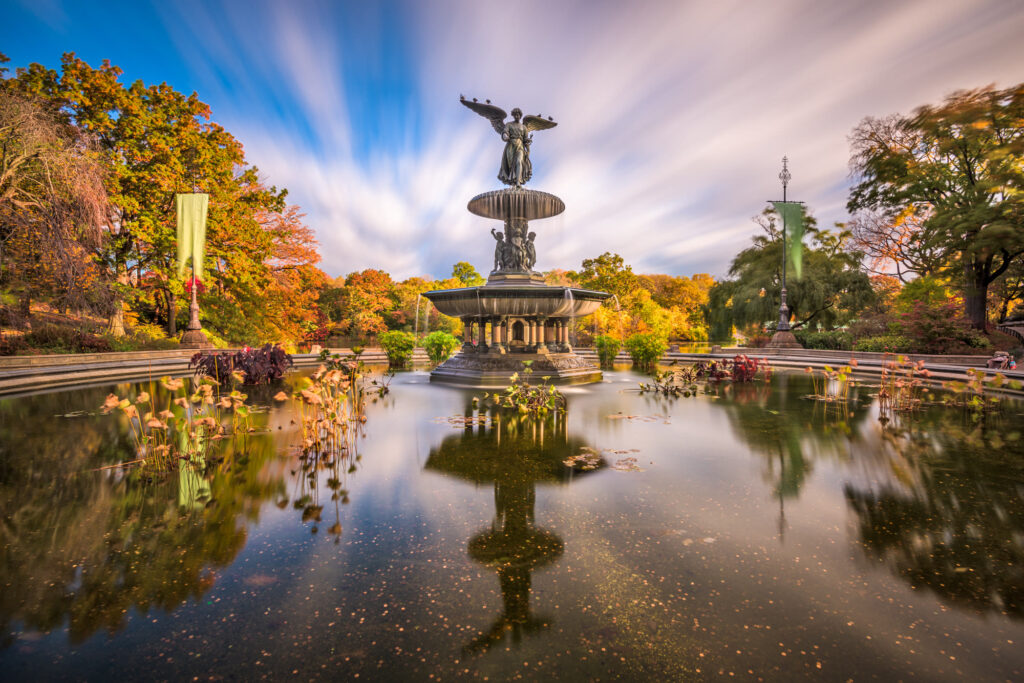
Start at Columbus Circle at the southwest corner of Central Park. Enter the park and follow the paths north. Central Park rewards exploring at every turn: Bethesda Terrace and Fountain, Bow Bridge over the Lake, the woodland paths of the Ramble, and Strawberry Fields all deserve your time. The Central Park Conservancy site has maps of every path.
Leave the park on the west side and wander the Upper West Side. This neighborhood feels lived-in and unhurried, with brownstone side streets and neighborhood restaurants along Columbus and Amsterdam Avenues. The American Museum of Natural History fills four blocks of Central Park West from 77th to 81st Street; give it at least an hour on a first visit.
Tips for the Central Park walk
Go early if you want the park almost to yourself. Before 8am you share it with joggers, dog walkers and birdsong. Come back in the afternoon and the energy shifts completely.
Wear comfortable shoes. The main paths are paved, but the Ramble has uneven ground and steep steps. Allow extra time there: it is easy to get pleasantly lost.
Walk 3: Greenwich Village and the West Village
Distance: about 1.9 miles (3 km) | Time: 2 hours
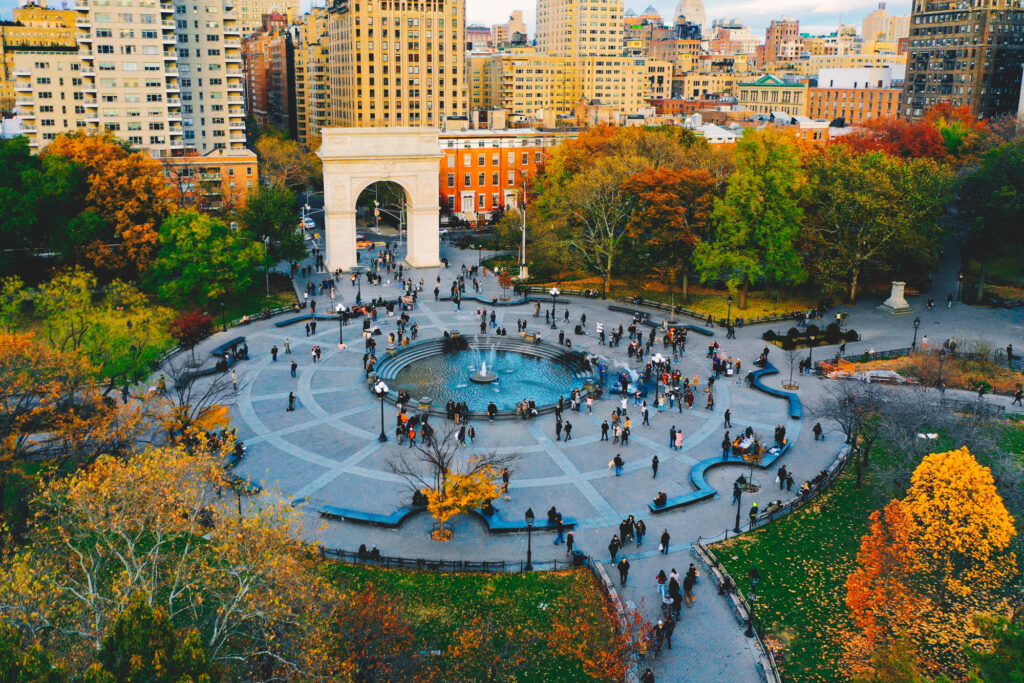
Start at Washington Square Park in the heart of Greenwich Village. The park is the neighborhood’s living room: chess players at the stone tables, musicians by the fountain, students from NYU reading on the grass. The white marble arch at the north end is one of New York’s finest monuments.
Walk west and you enter the West Village, where the street grid breaks down and streets curve unexpectedly. Some of the loveliest blocks in New York are here: cobblestoned lanes, old carriage houses and Federal-style townhouses.
Follow Bleecker Street west past the jazz clubs and Italian delis. Turn onto Commerce Street, which curves past the Cherry Lane Theatre, founded in 1923 and, by its own account, New York’s oldest Off-Broadway theater (checked October 2026). Continue to the High Line’s southern entrance at Gansevoort Street.
The High Line
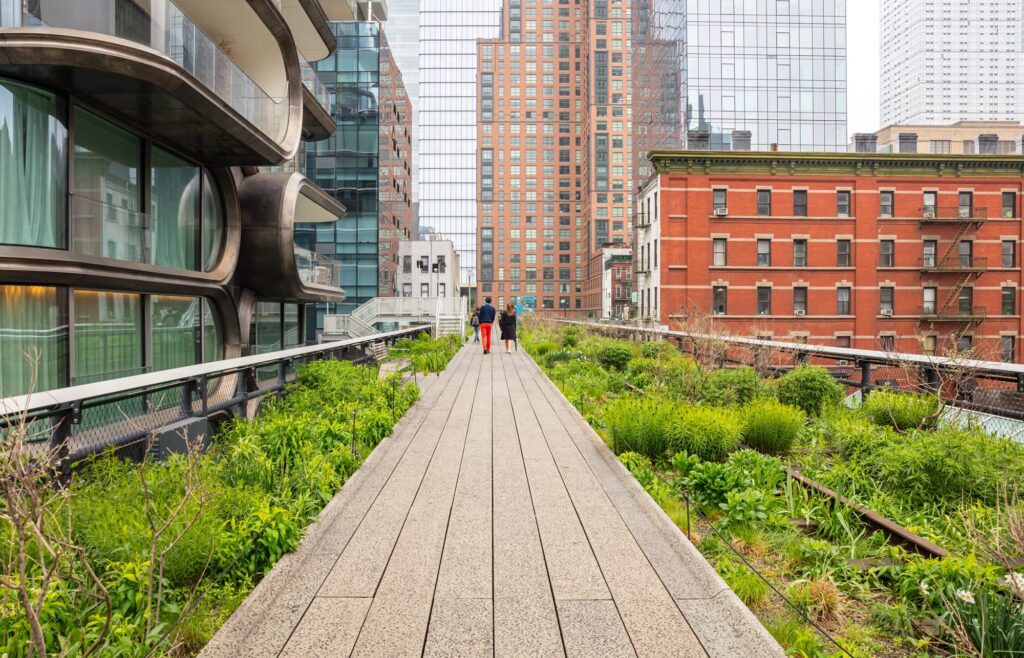
Add the High Line to this walk if you have extra time. The elevated park runs north along an old freight railway on the West Side, from Gansevoort Street to 34th Street at Hudson Yards. Planted beds, art installations and views across the Hudson River make it one of New York’s most original walks. Sections occasionally close for maintenance, so check the High Line site before you go.
Get weekly New York stories, hidden gems, and local secrets — free
Subscribe Free →Walk 4: Harlem
Distance: about 2.2 miles (3.5 km) | Time: 2 to 3 hours
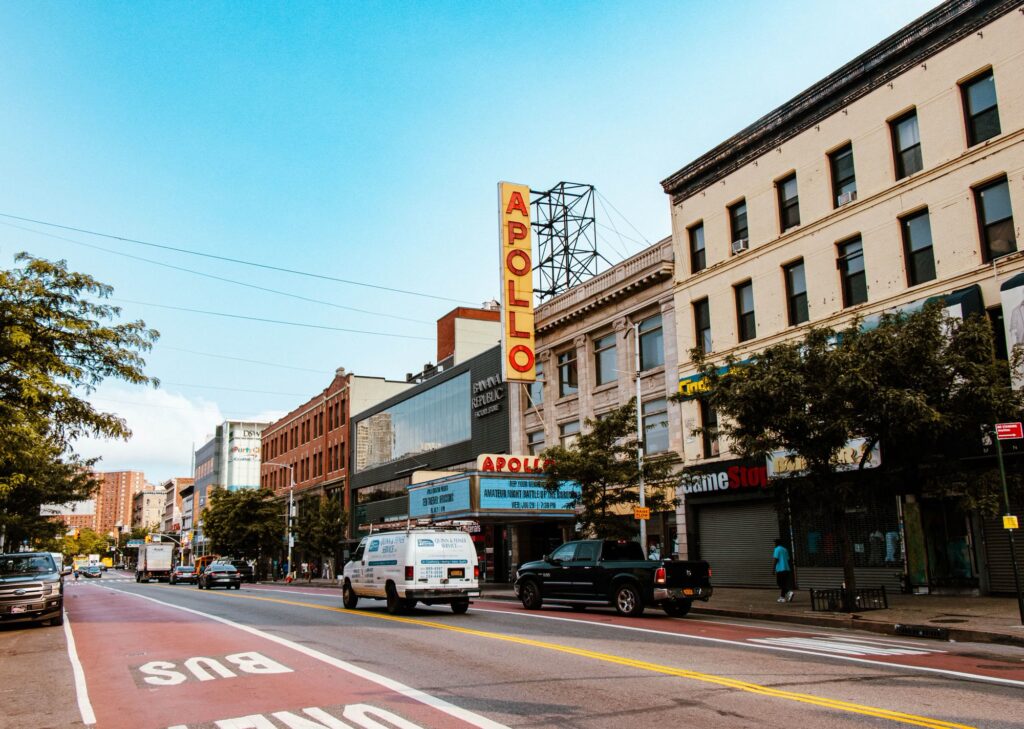
Start at the 125th Street station on the A or C train. Harlem’s main shopping street stretches east and west from the exit, and the Apollo Theater on West 125th Street comes into view almost at once. It opened as the Apollo in 1934, the same year its famous Amateur Night began; a young Ella Fitzgerald was an early winner.
Walk north through the residential streets of central Harlem, where rows of late-Victorian brownstones line block after block. In the 1920s the Harlem Renaissance made these streets a center of American writing, music and art.
Walk east to Marcus Garvey Park, then south through the streets around Lenox Avenue (Malcolm X Boulevard), with its bookshops, soul food restaurants and Sunday gospel music.
Sunday Brunch at Sylvia’s
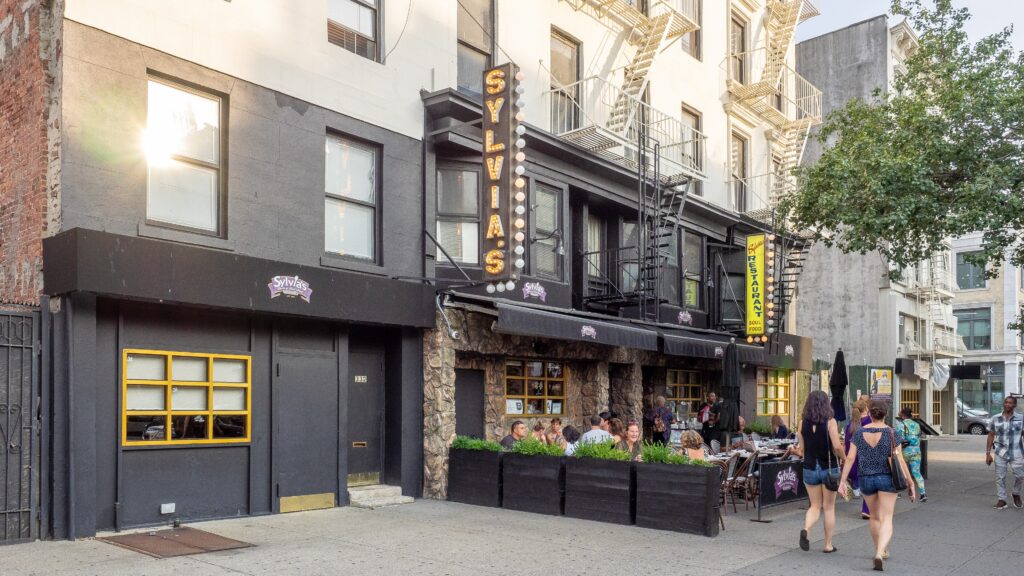
If you walk Harlem on a Sunday, end at Sylvia’s on Lenox Avenue, which Sylvia Woods opened in 1962 (checked October 2026). Fried chicken, collard greens, cornbread and sweet potato pie: this is Harlem at its most generous. Weekend brunch gets busy, so see the restaurant’s site for current hours and reservations.
Walk 5: The East Village and Lower East Side
Distance: about 1.9 miles (3 km) | Time: 90 minutes to 2 hours
Start at St Marks Place (East 8th Street) and walk east through the East Village. This was punk New York, bohemian New York, immigrant New York, and the streets are still packed with independent shops, Ukrainian restaurants, ramen bars and record stores. Tompkins Square Park sits at the heart of the neighborhood, a green space for music and community life for well over a century.
Continue east to Avenue B and south toward the Lower East Side. The neighborhood changes character as you cross Houston Street. Tenement buildings along Orchard, Delancey and Essex Streets are the legacy of the Jewish, Italian and Eastern European immigrants who settled here around 1900. The Tenement Museum on Orchard Street and Russ & Daughters on East Houston, selling bagels and lox since 1914, are both worth a stop.
Walk west along Rivington Street and Grand Street toward SoHo to finish. The streets narrow, and cast-iron facades from the 1800s rise above modern shop fronts.
Pierogi at Veselka
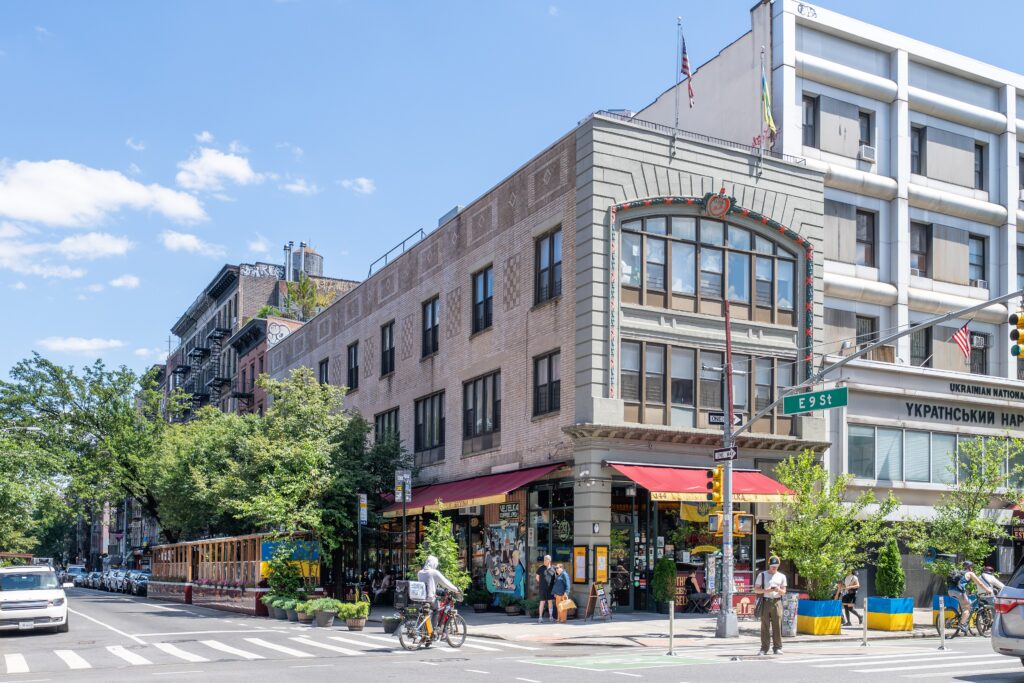
The East Village and Lower East Side are some of the best places to eat in New York. Our pick for a break on this walk is Veselka, the Ukrainian diner on the corner of Second Avenue and East 9th Street, serving pierogi, borscht and blintzes since 1954 (checked October 2026). Budget time for at least one meal on this walk; you will not regret it.
Essential Tips for Self-Guided Walking Tours in New York City
New York is one of the most walkable cities on earth. A few essentials make it better.
- Wear comfortable shoes: you will walk further than you expect. Cobblestone streets in DUMBO and the West Village are hard on heels and thin soles.
- Download offline maps: save the area you plan to walk on your phone before you leave your hotel.
- Watch for bike lanes: many avenues have protected bike lanes between the curb and parked cars. Look both ways before you step off the sidewalk.
- Use the subway for one-way walks: walk in one direction, then take the subway back, so you cover the best ground without retracing your steps.
- Walk at different times of day: morning, afternoon and evening New York feel like different cities. If you can, return to the same neighborhood twice.
- Carry a light bag: crowded sidewalks make a big backpack uncomfortable quickly.
Frequently Asked Questions
What is the best neighborhood to walk in New York City?
Many visitors find the West Village and DUMBO the loveliest areas to walk, with historic architecture, a manageable scale and calmer streets. For energy and street life, the Lower East Side and East Village are hard to beat. Central Park offers something different again: nature and open space in the heart of Manhattan.
Is it safe to walk in New York City as a tourist?
The areas on these routes (Lower Manhattan, Central Park, Greenwich Village, Harlem and the East Village) are busy, well-lit and visited by tourists and residents every day. Use normal big-city sense: keep your phone and bag close on crowded streets, stick to main streets after dark, and trust your instincts.
How far apart are New York City’s main attractions?
Closer than most visitors expect. From the Brooklyn Bridge to the south end of Central Park is roughly 4.5 miles (about 7 km). The Lower East Side to Washington Square Park is well under 1.5 miles (about 2 km) on foot. Most sights on each of these routes sit within a 20-minute walk of each other, which is exactly why self-guided walks work so well here.
How long does it take to walk the Brooklyn Bridge?
The Brooklyn Bridge promenade is a little over a mile (about 1.8 km) from Manhattan to Brooklyn. Most people take 20 to 30 minutes at a comfortable pace, longer if you stop for photos, which almost everyone does. Allow at least 45 minutes to enjoy it. Our guide to walking the Brooklyn Bridge has the details.
Join 1,000+ New York Lovers
Every week, get New York’s lesser-known corners, local secrets, and travel inspiration.
Subscribe free — enter your email:
Free forever · One email per week · Unsubscribe anytime
