
Brooklyn Heights is one of New York City’s most beautiful and least crowded neighbourhoods. Set on a bluff above the East River, this historic enclave gives visitors some of the finest views of the Manhattan skyline anywhere in the five boroughs — paired with tree-lined streets, elegant brownstones, and a quiet dignity that feels genuinely rare in New York. Whether you’re planning your first trip to the city or returning to explore beyond the obvious landmarks, Brooklyn Heights deserves a prominent place on your itinerary.
This guide covers everything you need to know about visiting Brooklyn Heights in 2026: how to get there, what to see, where to eat, and how to make the most of a neighbourhood that locals have treasured for nearly two centuries.
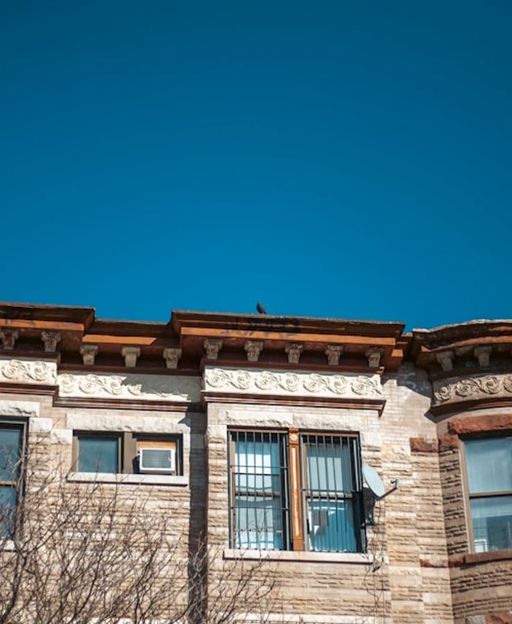
What Makes Brooklyn Heights So Special
Brooklyn Heights holds the distinction of being New York City’s first officially designated historic district, an honour it earned in 1965. Walking its streets feels like stepping into a carefully preserved version of 19th-century New York — except the coffee is excellent and the Wi-Fi works perfectly.
The neighbourhood sits on a ridge overlooking the East River, which means views of Lower Manhattan appear at nearly every westward-facing street end. You can glimpse the gleaming towers of the Financial District between townhouses, or simply walk to the Promenade and absorb one of the most iconic urban vistas anywhere on earth.
Historically, Brooklyn Heights was the first suburb of Manhattan. Wealthy New Yorkers crossed the East River by ferry to escape the city’s noise and overcrowding in the early 1800s. The brownstones and Italianate townhouses that survive today were built by those prosperous families, and many have changed remarkably little since.
The neighbourhood has also attracted a remarkable number of writers and artists over the decades. Walt Whitman lived and worked here. Arthur Miller, Truman Capote, and Norman Mailer all called Brooklyn Heights home at various points. That creative legacy gives the place an intangible quality — a feeling that ideas and ambition have always circulated through these particular streets.
How to Get to Brooklyn Heights
Brooklyn Heights is straightforward to reach from Manhattan, which makes it an ideal half-day excursion or the starting point of a longer Brooklyn exploration.
By subway: the 2, 3, 4, and 5 trains all stop at Borough Hall station, a short five-minute walk from the heart of the neighbourhood. The A and C trains serve High Street–Brooklyn Bridge station, which deposits you almost directly at the Promenade end of the neighbourhood. From Midtown Manhattan, you’re looking at roughly 20 minutes by subway.
On foot across the Brooklyn Bridge: if you walk the Brooklyn Bridge from Manhattan, you’ll arrive in DUMBO — just downhill from Brooklyn Heights. A ten-minute walk uphill through the cobbled streets brings you directly into the neighbourhood. This is a particularly satisfying way to arrive, combining two of Brooklyn’s greatest attractions in a single morning.
By bike: Brooklyn Heights connects to the Brooklyn Waterfront Greenway, making it a comfortable cycling destination from many parts of the city. Citi Bike docking stations are available throughout the neighbourhood.
The Brooklyn Heights Promenade
No visit to Brooklyn Heights is complete without spending time on the Promenade — a cantilevered walkway stretching along the western edge of the neighbourhood, with unobstructed views of the Lower Manhattan skyline, the Brooklyn Bridge, and, on clear days, the Statue of Liberty. It is, quite simply, one of the finest urban views in the world.
The Promenade runs for roughly a third of a mile and is best visited in the early morning, when the light on the Manhattan towers is at its most dramatic, or at dusk, when the skyline begins to glow. Weekday mornings are quieter; weekends bring more visitors, though the walkway never feels overwhelmed in the way that tourist-facing spots in Manhattan tend to.
Benches line the walkway, and there’s no pressure to keep moving. Locals come here to read, think, and sit with a view that makes the city feel both enormous and intimate at the same time. Even on a grey day, the scale and composition of the skyline from this vantage point is something you won’t forget.
Historic Streets Worth Exploring
Brooklyn Heights rewards slow walking. Its grid of streets contains some of the finest residential architecture in New York City, and the neighbourhood is calm enough to make wandering genuinely pleasant rather than stressful.
Willow Street
Willow Street is perhaps the most photographed block in the neighbourhood, lined with Federal, Greek Revival, and Italianate townhouses in a variety of warm brick tones. Numbers 108, 110, and 112 Willow Street are three wooden houses dating from around 1820 — among the oldest surviving structures in Brooklyn. Truman Capote wrote Breakfast at Tiffany’s in the basement of 70 Willow Street, a detail that adds a pleasing literary footnote to the walk.
Pierrepont Street
Pierrepont Street offers a handsome mix of architectural styles and connects to the Promenade at its western end. It’s also home to the Brooklyn Historical Society (now part of BRIC), which holds archives and exhibitions related to Brooklyn’s long and layered history. The Romanesque Revival building itself, completed in 1881, is worth a look on its own merits.
Remsen, Joralemon, and Hicks Streets
Remsen Street and Joralemon Street are equally rewarding for anyone drawn to urban architecture. Look up as you walk — the carved stone details, wrought-iron railings, and raised entrance stoops appear everywhere once you learn to notice them. Henry Street and Hicks Street form the neighbourhood’s commercial spine, with independent cafés, bookshops, and small restaurants tucked between residential buildings along their length.
Where to Eat and Drink in Brooklyn Heights
Brooklyn Heights isn’t a destination neighbourhood for trendy restaurants in the way that DUMBO or Williamsburg might be — and that’s part of its appeal. The dining scene here is grounded, neighbourhood-scale, and genuinely good.
Henry’s End on Henry Street has been a local institution since 1973, known for its seasonal game menu and warm, unhurried atmosphere. Book ahead and arrive without a rush. This is the kind of restaurant that rewards the people who seek it out rather than stumble upon it.
Jack the Horse Tavern on Hicks Street offers American brasserie cooking in a former saloon space. Weekend brunch draws loyal regulars, though the mood remains considerably more relaxed than equivalent spots across the river. The combination of good cooking and minimal fuss makes it a reliable choice at any hour.
Iris Café on Columbia Place is a small, unpretentious neighbourhood café serving good coffee and simple food at neighbourhood prices. It has the feel of a place that knows exactly who it is and has no particular interest in being anything else — which, in a city full of trying-too-hard cafés, counts for a great deal.
For a drink with a view, the rooftop bar at the 1 Hotel Brooklyn Bridge sits just below Brooklyn Heights in DUMBO and offers excellent sightlines across to the Manhattan skyline. The prices reflect the setting, but the view is genuinely worth the splurge on a clear evening.
Things to Do Near Brooklyn Heights
Brooklyn Heights connects naturally to several other neighbourhoods and attractions, making it an ideal anchor for a longer day in Brooklyn rather than simply a destination unto itself.
DUMBO is directly downhill from Brooklyn Heights and has become one of New York’s most photographed neighbourhoods, with galleries, waterfront spaces, and the famous cobbled street view of the Manhattan Bridge framed between warehouses. Budget at least an hour here.
The Brooklyn Bridge is a short walk from the Promenade and thoroughly worth crossing on foot. The walk from Brooklyn to Manhattan takes around 20–25 minutes and offers exceptional views in both directions. Cross in the morning when the light falls most dramatically on the cables and towers.
From Brooklyn Heights you can also head south into Cobble Hill and Carroll Gardens — quieter residential neighbourhoods with excellent independent cafés — or further on to Prospect Park, one of New York’s finest green spaces and a genuine rival to Central Park in terms of atmosphere. The full Brooklyn for tourists guide covers all of this and more if you’re planning a proper day across the borough.
Practical Tips for Visiting Brooklyn Heights in 2026
When to go: Brooklyn Heights rewards a visit at any time of year. Spring brings blossom to the streets; autumn turns the elms and maples into something genuinely spectacular. Summer evenings on the Promenade, with the city lights beginning to emerge across the river, are hard to beat. In winter, particularly around the holiday season, the brownstones take on an especially warm and atmospheric quality.
How long to spend: A thorough walk of Brooklyn Heights takes around two hours, including time on the Promenade. Add an hour or two for lunch or coffee, and a half-day becomes a very complete visit. Combining it with DUMBO and the Brooklyn Bridge makes for an excellent full day in this part of the city.
Best time for photography: Early morning light is the most dramatic on the Manhattan skyline from the Promenade, particularly in winter and autumn when the sun rises at a lower angle. The streets themselves are quieter before 9am, making it easier to photograph the architecture and brownstone details without constant foot traffic.
Getting around: Brooklyn Heights is a walking neighbourhood. Leave your car at home — parking is genuinely difficult and entirely unnecessary given how well the area is served by public transport. Wear comfortable shoes; the top of the neighbourhood is level, but the slopes down to DUMBO and the waterfront can be quite steep.
Accessibility: The Promenade is fully accessible and flat. Several streets within the neighbourhood include steeper sections on the way down towards the waterfront. Borough Hall subway station has lift access from street level.
Frequently Asked Questions About Brooklyn Heights, New York
Is Brooklyn Heights worth visiting for tourists?
Yes, Brooklyn Heights is one of New York City’s most rewarding neighbourhoods for visitors. It offers an exceptional combination of historic architecture, some of the finest views of the Manhattan skyline anywhere in the city, and a genuinely unhurried atmosphere that provides a welcome contrast to busy Midtown. Most visitors who make the trip say they wish they’d built in more time.
How do you get to Brooklyn Heights from Manhattan?
The easiest route is by subway — the 2, 3, 4, and 5 trains stop at Borough Hall station, a short walk from the neighbourhood centre. The A and C trains serve High Street–Brooklyn Bridge station. You can also walk across the Brooklyn Bridge from Manhattan, a 20–25-minute crossing that brings you into the neighbourhood via DUMBO and gives you exceptional views along the way.
What is the best time to visit the Brooklyn Heights Promenade?
Early morning is the best time to visit the Brooklyn Heights Promenade, particularly for photography and crowd levels. The light on the Manhattan skyline is most dramatic in the hour after sunrise, and the walkway is at its quietest on weekday mornings. Dusk is also spectacular — when the city lights begin to appear and the skyline takes on a golden quality that is well worth the slightly later visit.
What is Brooklyn Heights known for?
Brooklyn Heights is known above all for three things: its historic brownstone architecture (it was New York City’s first designated historic district in 1965), the Brooklyn Heights Promenade with its sweeping views of the Manhattan skyline and Brooklyn Bridge, and its rich literary history — Walt Whitman, Truman Capote, Arthur Miller, and Norman Mailer all lived here at various points in their careers.
Join 1,000+ New York Lovers
Every week, get New York’s hidden gems, local secrets, and travel inspiration — the kind you won’t find in any guidebook.
Subscribe free — enter your email:
Love more? Join 64,000 Ireland lovers → · Join 43,000 Scotland lovers → · Join 30,000 Italy lovers →
Free forever · One email per week · Unsubscribe anytime
