
Walk through the South Bronx today and you walk through layers of history. Every street corner holds a story. Every building has seen lives lived, lost, and rebuilt.
This is a neighbourhood shaped by people who came with nothing. They arrived scared and hopeful. They stayed and made something lasting.
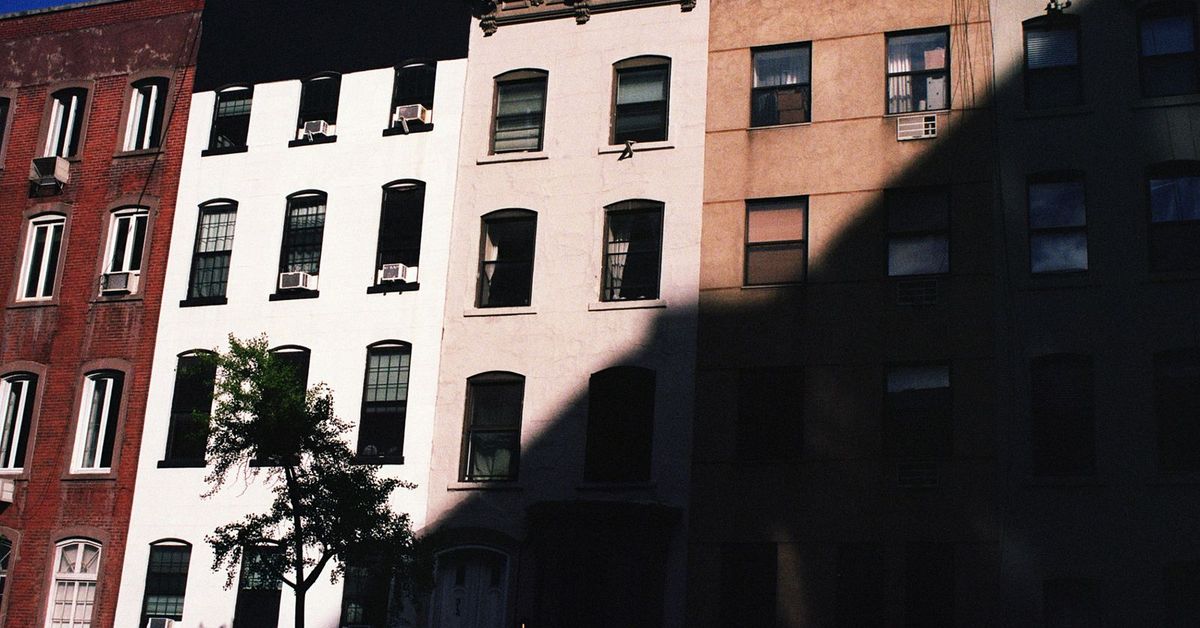
Two groups, above all others, left their mark here. The Irish came fleeing starvation. The Puerto Ricans came seeking work. Both found struggle. Both found community. Both changed the Bronx for ever.
The Irish Arrive: A People Escaping Famine
The Great Famine struck Ireland between 1845 and 1852. It was one of the worst humanitarian disasters in European history. Blight destroyed the potato crop. Over one million people died. More than a million others left.
Many landed in New York with almost nothing. They crowded into Lower Manhattan’s most desperate districts. Five Points became their first foothold — a place of terrible poverty but also fierce Irish community spirit.
But Manhattan was expensive and crowded. The Bronx offered something different. Space. Cheaper rents. Room to breathe.
Irish immigration to the Bronx began in earnest after the Famine years. Mott Haven, in the South Bronx, was developing from the 1840s. It started as an industrial hub. Iron foundries, coal yards, and piano factories lined the waterfront. Workers were needed. Irish labourers answered that call.
These were not wealthy settlers. They were men and women who had survived catastrophe. They carried grief with them. They also carried resilience. They built homes, raised families, and planted roots in difficult soil.
The area around East 138th Street became a centre of Irish life. Tenement buildings filled with families. Neighbours shared hardships and helped each other through them. Community was not a luxury. It was survival.
Life in the South Bronx: The Irish Experience
For decades, Irish families worked the industries of the South Bronx. The area had factories, rail yards, and port facilities. It was physically demanding work. Hours were long. Pay was low. But jobs existed, and that mattered.
The elevated IRT subway lines changed everything. They opened around 1901 to 1904. Suddenly the South Bronx was connected to the rest of the city. Residential settlement expanded rapidly. Workers no longer needed to live next to their factories. Whole new streets of housing appeared.
As Irish families prospered — slowly, over generations — many moved north from Manhattan. They left the Lower East Side behind. They came to the Bronx for better housing and quieter streets. The South Bronx became, for a time, a place of genuine working-class aspiration.
The Catholic Church was central to Irish life here. St. Jerome’s Parish was founded in the South Bronx in 1898. It was established as an Irish Catholic parish. The church was more than a place of worship. It was a school, a community hall, and a social safety net. Parish life structured the week and the year.
Irish associations flourished. Sporting clubs, benevolent societies, and music gatherings kept cultural identity alive. Being Irish in the Bronx meant belonging to something. That belonging sustained people through hard times.
The neighbourhood produced politicians, priests, teachers, and policemen. Irish families moved from the margins of American society towards its institutions. The South Bronx was part of that journey.
If you love New York’s hidden stories, you’ll love our free weekly newsletter. Subscribe to Love New York →
The Puerto Rican Story: A New Wave Arrives
By the mid-twentieth century, much had changed in the South Bronx. Many Irish families had moved further north or out to the suburbs. A new wave of immigrants was arriving to take their place.
Puerto Ricans began arriving in large numbers after the Second World War. The period from 1945 into the 1960s saw particularly strong migration. Puerto Rico had been a US territory since 1898. Puerto Ricans were American citizens. But life on the island was often desperately poor.
Operation Bootstrap launched in 1948. It was a US-backed economic programme for Puerto Rico. The aim was to industrialise the island. But it also pushed rural workers off the land. Many had few options. They looked north.
New York City had factories. It had jobs — or so it seemed. Airfares were affordable by then. The flight from San Juan to New York became a well-worn path. Tens of thousands made the journey. Then hundreds of thousands.
The South Bronx became a destination. Rents were affordable. Earlier immigrant communities had established the neighbourhood as a place for working people. Puerto Rican families settled in Mott Haven, Hunts Point, and the streets around them.
They brought music, food, language, and culture. Bodegas opened. Botanicas appeared. Spanish became the sound of daily life on many blocks. The neighbourhood transformed, as immigrant neighbourhoods always do.
You can explore a parallel story in East Harlem, where Puerto Rican immigrants built another remarkable community — one of survival and lasting pride.
A Neighbourhood Reborn
The South Bronx did not escape hardship. Far from it.
Robert Moses drove the Cross Bronx Expressway through the heart of the borough. Construction ran from 1948 to 1963. It was one of the most destructive urban road projects in American history. Tens of thousands of families were displaced. Stable communities were torn apart. Buildings were demolished. People were scattered.
The 1970s brought a new crisis. The South Bronx experienced severe urban decline. Arson was widespread. Poverty deepened. Population collapsed. Buildings burned or were abandoned. Whole blocks became rubble. The area became a symbol of urban failure. News cameras came to film the destruction.
But people stayed. Families refused to abandon their homes. Community organisations took root in the ruins.
Puerto Rican leaders fought for their neighbourhood. Herman Badillo became the first Puerto Rican-born member of the United States Congress in 1970. He represented the Bronx. His election showed what the community had built politically, even in the depths of crisis.
Groups like Nos Quedamos — “We Stay” — organised residents to shape their own future. Community land trusts took over abandoned buildings. New housing went up. Schools were rebuilt. Parks were restored.
The revival was slow. It was hard. It was led from within the community, not imposed from outside. That matters. It is part of the heritage too.
Today the South Bronx is a neighbourhood in genuine renewal. New businesses open. Old buildings are renovated. Young people are returning. The story is not finished. It is still being written.
The story of Harlem’s Great Migration offers another perspective on how New York’s neighbourhoods absorb waves of newcomers and emerge transformed.
Want more stories like this? Our weekly newsletter goes deeper into New York’s heritage every week. It’s free. Subscribe here →
Where to Find the Heritage Today
The South Bronx rewards curious visitors. History is not locked behind museum glass here. It lives in the streets.
St. Ann’s Church, 260 East 140th Street, Mott Haven
This Episcopal church on East 140th Street is one of Mott Haven’s most significant landmarks. The building has stood through all the neighbourhood’s changes. It offers a tangible link to the area’s layered past. The grounds include a historic cemetery.
The Hub, 149th Street and 3rd Avenue
This busy commercial intersection has been the South Bronx’s main commercial district for over a century. It was a thriving shopping area when Irish families walked these streets. Today it serves the community’s Puerto Rican and Latin American population. The energy is remarkable. It is the neighbourhood’s beating heart.
Hostos Community College, 500 Grand Concourse
This college honours Eugenio María de Hostos, a Puerto Rican intellectual and advocate for education. Founded in 1968, it was a direct response to demands from the Puerto Rican community. Thousands of South Bronx residents have studied here. Its name is a statement of cultural identity.
The Bronx Museum of the Arts, 1040 Grand Concourse
This museum celebrates the borough’s diverse heritage. Exhibitions regularly focus on immigrant communities and their contributions to New York life. The collection is strong on Latin American and African American art. Admission is free. It is an excellent starting point for understanding the Bronx’s many layers.
Mott Haven Historic District
The streets around Alexander Avenue in Mott Haven contain some of the finest late-Victorian residential architecture in New York City. These brownstones and rowhouses were built during the Irish settlement period. Walking through them connects you physically to the era when Irish families were building their lives here.
Frequently Asked Questions
When did Irish immigrants first settle in the South Bronx?
Irish immigration to the South Bronx began in earnest following the Great Famine of 1845 to 1852. Mott Haven was developing as an industrial area from the 1840s, and Irish labourers came to work in its foundries and factories. Settlement expanded significantly after the elevated IRT subway lines opened around 1901 to 1904, connecting the neighbourhood to the rest of the city.
Why did Puerto Ricans come to the South Bronx in such large numbers?
Puerto Ricans began arriving in large numbers after the Second World War, particularly from 1945 through the 1960s. Operation Bootstrap, launched in 1948, disrupted traditional agriculture in Puerto Rico, displacing many rural workers. New York City offered factory jobs and affordable rents. The South Bronx, already established as a working-class immigrant neighbourhood, became a natural destination. Puerto Ricans were American citizens and faced no immigration barriers, making the journey straightforward even if life on arrival was often very difficult.
What happened to the South Bronx in the 1970s and how did it recover?
The South Bronx experienced severe urban decline in the 1970s. The Cross Bronx Expressway had already displaced tens of thousands of families during its construction from 1948 to 1963. Then arson, poverty, and population loss devastated the area further. However, community organisations refused to abandon the neighbourhood. Residents organised, lobbied for resources, and rebuilt their streets. Since the 1980s, the South Bronx has undergone significant renewal led by community groups. New housing, restored schools, and returning businesses have transformed much of the area.
Is the South Bronx safe to visit today?
The South Bronx is a thriving urban neighbourhood visited by tourists and locals alike every day. The main heritage and cultural sites — the Bronx Museum, Hostos Community College, the Hub, and the Mott Haven Historic District — are all accessible and welcoming. Visiting during daytime hours and sticking to well-travelled streets makes for a comfortable experience.
How does the South Bronx connect to other New York immigrant stories?
The South Bronx is one chapter in a much larger story. The Irish who settled here had often come first through Lower Manhattan’s Five Points. Puerto Ricans built parallel communities in East Harlem. New York City’s boroughs passed immigrant communities along like a relay race, each group building on what came before. The South Bronx sits at the crossroads of several of these stories at once.
Ready to explore the New York your ancestors knew? Subscribe to Love New York — free weekly stories, heritage guides, and hidden history. Join us →
