
There is nowhere quite like New York City for jazz. The city gave the world bebop, hard bop, cool jazz, and free jazz. It still produces extraordinary music every night of the week. You will find it in basement clubs in Greenwich Village, restored ballrooms in Harlem, and sleek venues with views over Central Park. Whether you love Miles Davis or have never sat in a jazz club before, New York will not disappoint you.
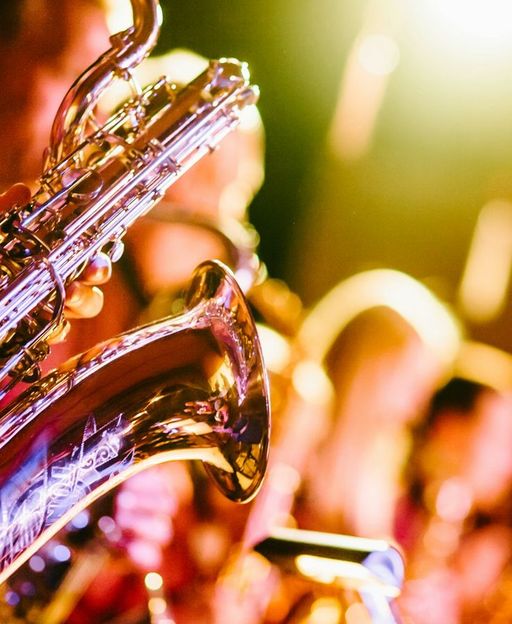
This guide covers the best jazz clubs in New York City. We go from the most legendary rooms in the world to the small basement spots where tomorrow’s stars play tonight. You will also find practical tips on what to expect, how to book, and how much to budget.
Why New York City Is the World’s Jazz Capital
Jazz was born in New Orleans, but it grew up in New York. By the 1920s, Harlem had become a great centre of Black American culture. The music that came out of its ballrooms and clubs changed the world. The Harlem Renaissance produced not just art and literature — it produced a new musical language. Duke Ellington, Louis Armstrong, and Fats Waller all built their names here.
After the Second World War, the action shifted downtown. Greenwich Village clubs became laboratories for bebop, with Charlie Parker, Thelonious Monk, and Dizzy Gillespie rewriting what jazz could be. The Village Vanguard opened. The Blue Note opened. Birdland opened. Some of those rooms are still there, still presenting the finest musicians on the planet, and still crackling with the same electricity that first drew audiences in.
Today, New York’s nightlife encompasses jazz clubs at every level of intimacy and prestige — from free jam sessions in basement rooms to world-class concerts with Manhattan skyline views. There has never been a better time to explore them.
Greenwich Village: The Heart of NYC’s Jazz Scene
For anyone who loves jazz, Greenwich Village is hallowed ground. Within a few blocks of each other on the west side of Manhattan, you will find more jazz history than in most entire cities. The neighbourhood’s tight streets and brownstone buildings have sheltered generations of musicians, and several of the clubs that shaped modern jazz are still operating here today.
Village Vanguard
The Village Vanguard is the most important jazz club in the world. It opened in 1935 in a basement on Seventh Avenue South. Since then, it has hosted everyone from John Coltrane and Miles Davis to Bill Evans and Sonny Rollins. The live albums recorded here are among the greatest in jazz history. Coltrane’s Live at the Village Vanguard and Evans’s Sunday at the Village Vanguard are two of them.
The room holds around 123 people and is wedge-shaped and acoustically perfect. Every seat feels close to the musicians. The Vanguard runs a Monday night series with the Vanguard Jazz Orchestra, a big band that has performed there for decades, and presents leading ensembles throughout the week. Book ahead — this club sells out regularly, particularly at weekends.
Blue Note Jazz Club
A short walk from the Vanguard, the Blue Note Jazz Club on West 3rd Street is one of the most celebrated jazz clubs in the United States. Since opening in 1981, it has presented a who’s who of jazz royalty — Dizzy Gillespie, Ray Charles, Sarah Vaughan, and Natalie Cole have all graced its stage.
The Blue Note is slightly larger and more polished than the Vanguard, with a full food and cocktail menu. It presents multiple sets per night — typically at 8pm and 10.30pm — and runs a popular jazz brunch on weekends. The late sets attract a younger, more casual crowd and often feature emerging artists alongside established names. Cover charges vary depending on the performer, so check the website before visiting.
Smalls Jazz Club
Smalls Jazz Club on West 10th Street is where serious jazz fans go when they want to hear the next generation playing until 4am. This basement club opened in 1994 and quickly became legendary for its late-night jam sessions, affordable prices, and fiercely committed approach to the music. Cover charges are typically low — often around ten dollars — and the quality of playing can be extraordinary.
Smalls is not a place to eat a three-course meal. It is a place to sit very close to the musicians, order a drink, and lose yourself in the music until the early hours. The club also streams performances live online, which is worth checking before a visit to get a sense of current programming.
Mezzrow
Next door to Smalls is Mezzrow. It focuses on piano-led jazz: trios, duos, and solo recitals in a space that holds fewer than 50 people. Named after Mezz Mezzrow, the clarinettist, this small room is one of the most special places to hear jazz in New York. Bring a drink, find a seat near the piano, and let the music do the rest.
Midtown Manhattan: Jazz at the Centre of the City
While Greenwich Village claims the deepest jazz roots, Midtown Manhattan has its own claim on the music’s history — and two world-class venues that have helped shape jazz’s past and continue to define its present.
Birdland Jazz Club
Named after Charlie Parker — whose nickname was Bird — Birdland Jazz Club on West 44th Street carries enormous historical weight. The original Birdland, which opened in 1949, hosted Dizzy Gillespie, Charlie Parker, Miles Davis, and Thelonious Monk on its stage. The current venue, which opened in 1996, carries that legacy forward with a commitment to the full range of jazz — from mainstream to avant-garde, Latin jazz to big band.
Birdland is slightly larger than the Village clubs. It has a full kitchen and a comfortable room. The venue runs two sets per evening most nights. It also presents a popular Monday series with the Birdland Big Band. If you are based in Midtown and want a jazz experience, Birdland is the easy choice. Book a table for dinner before the first set.
Dizzy’s Club at Jazz at Lincoln Center
Jazz at Lincoln Center, headquartered in the Time Warner Center at Columbus Circle, is the world’s largest arts organisation dedicated to jazz. Dizzy’s Club is its most intimate venue — a beautifully designed room with floor-to-ceiling windows overlooking Central Park and the Manhattan skyline. Seeing live jazz here, with the city glittering below, is one of those experiences that stays with you long after you leave.
The programming at Dizzy’s tends toward the accessible end of the jazz spectrum — this is not a venue for free jazz or experimental performance, but for the finest playing in a mainstream tradition. Late-night jam sessions after the main shows are a particular highlight. The food and drink are excellent, and the room itself is a work of art.
Harlem: Where Jazz Was Born
No visit to Harlem is complete without engaging with its jazz heritage. The neighbourhood that produced the Harlem Renaissance also produced some of the music’s defining moments — and one institution in particular is still operating at the very site where jazz history was made.
Minton’s Playhouse
Minton’s Playhouse on West 118th Street is where bebop was invented. In the early 1940s, Thelonious Monk was the house pianist here. Charlie Parker, Dizzy Gillespie, Kenny Clarke, and Charlie Christian came after their regular gigs to jam and experiment. The music they created was fast, complex, and unlike anything that had come before. It became the foundation of modern jazz.
Minton’s closed in the 1970s and fell into disrepair, then reopened in 2013 following a meticulous restoration. The room is now one of the most beautiful in New York — its original tin ceiling has been preserved, and the woodwork and furnishings reflect the elegance of the 1940s. The kitchen serves excellent food alongside the live music. Visiting Minton’s feels like a form of time travel. You are sitting in the room where the music changed.
The Upper West Side: Neighbourhood Jazz Done Right
For a more relaxed, neighbourhood experience — the kind of jazz evening that feels less like an event and more like part of the city’s everyday rhythm — head to the Upper West Side, where one of New York’s most beloved supper clubs has been welcoming audiences for years.
Smoke Jazz & Supper Club
Smoke Jazz & Supper Club on Broadway near 106th Street sits in the classic tradition of the jazz supper club — an intimate room where the music and the meal are equally central to the experience. It presents three sets on weekend evenings and has built a devoted following among local New Yorkers who return week after week.
Smoke is particularly beloved for its Sunday brunches, where the Smoke Big Band often performs. There is something deeply satisfying about eating a proper meal in a relaxed setting while world-class musicians play ten feet away — and Smoke delivers that experience better than almost anywhere else in Manhattan. The room’s warmth and informality make it one of the most comfortable jazz experiences in the city.
Practical Tips for Visiting Jazz Clubs in New York City
Visiting jazz clubs in New York City is one of the great pleasures of travel. A little preparation helps. Most venues charge a cover. This ranges from around ten dollars at small neighbourhood clubs to forty dollars or more for big-name acts. Many clubs also set a minimum spend on food and drink. Factor this in when planning your evening.
Reservations are strongly recommended at the Village Vanguard, Birdland, Dizzy’s Club, Minton’s, and Smoke — particularly for weekend shows and any performance by a well-known artist. Smalls and Mezzrow generally operate on a walk-in basis for most performances, though arriving early — twenty to thirty minutes before the set begins — almost always guarantees a good seat.
Most jazz clubs run two sets per evening: one around 8pm and one at 10 or 10.30pm. The later set often feels looser and more adventurous, and the crowd thins slightly. There is no formal dress code at any of the venues listed here, though guests at Dizzy’s Club and Birdland tend to dress up a little. Anywhere that involves sitting close to a piano in a candlelit room deserves that small effort.
Finally, trust the venues’ curatorial instincts. The Village Vanguard has not survived for ninety years by booking bad bands. If the name on the poster is unfamiliar, go anyway — you will almost certainly hear something remarkable.
What is the best jazz club to visit in New York City for first-timers?
The Village Vanguard and Birdland Jazz Club are both excellent starting points for first-time visitors to jazz clubs in New York City. The Vanguard offers unmatched history and an extraordinarily intimate atmosphere, while Birdland is slightly more accessible with a full food menu and a broad range of programming.
How much does it cost to visit a jazz club in New York City?
Cover charges at jazz clubs in New York City typically range from around ten dollars at smaller neighbourhood venues like Smalls to forty dollars or more for headlining acts at the Blue Note or Birdland. Most clubs also set a minimum spend on food and drink, so budget for drinks on top of the entrance fee when planning your evening.
Do you need to book jazz clubs in New York City in advance?
Reservations are strongly recommended for the Village Vanguard, Birdland, Dizzy’s Club, Minton’s Playhouse, and Smoke Jazz & Supper Club — especially at weekends or for performances by well-known artists. Smalls and Mezzrow generally operate on a walk-in basis, though arriving early secures the best seats on busy nights.
Join 1,000+ New York Lovers
Every week, get New York’s hidden gems, local secrets, and travel inspiration — the kind you won’t find in any guidebook.
Subscribe free — enter your email:
Love more? Join 64,000 Ireland lovers → · Join 43,000 Scotland lovers → · Join 30,000 Italy lovers →
Free forever · One email per week · Unsubscribe anytime
