
If you want to understand the soul of Manhattan, walk through Greenwich Village New York City. Few neighbourhoods anywhere carry this much character in such a compact space. Tree-lined streets, Federal-style townhouses, legendary jazz clubs, and one of America’s great public parks — all packed into a handful of blocks just south of 14th Street. This guide covers everything you need to make the most of your time here: where to go, what to see, where to eat, and how to explore the Village properly.
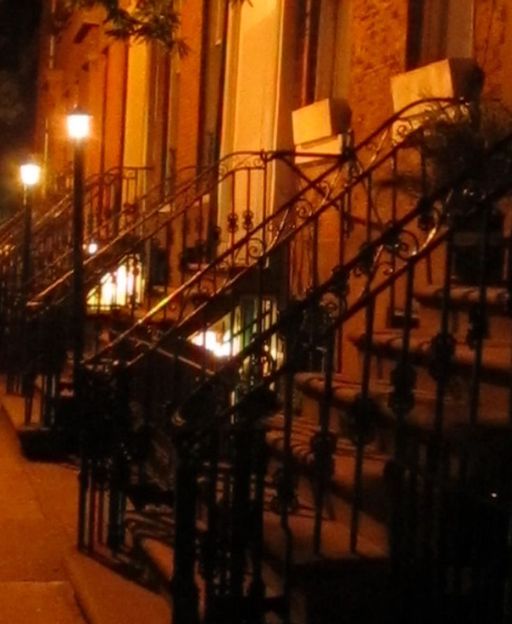
The Village sits between 14th Street to the north, Houston Street to the south, the Hudson River to the west, and Broadway to the east. Within that rectangle, every block offers something worth slowing down for. Whether you have two hours or a full day, Greenwich Village rewards exploration at any pace.
What Makes Greenwich Village Special
A Neighbourhood Built by Artists and Rebels
Greenwich Village has always attracted people who refused to fit anywhere else. In the early 20th century, writers like Henry James and Edith Wharton walked these streets. By the 1950s, the Village had become the epicentre of the Beat Generation. Dylan Thomas drank at the White Horse Tavern. Bob Dylan played his first New York shows in coffeehouses here. The neighbourhood gave American bohemian culture much of its language and geography.
That spirit never entirely left. The winding streets still feel different from the grid logic that governs the rest of Manhattan. Greenwich Village predates the 1811 street plan, which explains why Bleecker Street and West 4th Street cross each other twice. In most cities, that would be a curiosity. Here, it is part of the charm.
Today the neighbourhood is expensive and increasingly polished. But the bones of the old Village survive in its architecture, its music venues, its independent bookshops, and its parks. Come with a willingness to wander and you will find it.
Washington Square Park: The Heart of Greenwich Village New York City
The Arch, the Fountain, and What You’ll Find There
No visit to the Village is complete without spending time at Washington Square Park. The park anchors the neighbourhood both geographically and emotionally. The marble Washington Arch stands at the Fifth Avenue entrance, completed in 1892 to mark the centenary of George Washington’s inauguration. Walk through it at almost any time of day and you’ll find the central fountain ringed with students, chess players, street performers, and visitors.
NYU students spill out here between classes. Families picnic on the grass in summer. On warm weekends, the fountain rim fills with people sitting, talking, and watching the world pass. Washington Square Park is one of the few places in Manhattan where no one seems to be in a particular hurry.
The park has a surprisingly dark history beneath the surface. The ground contains the remains of around 20,000 people buried in an early New York cemetery. The city built the park over the top of them in the 1820s. Most people strolling past the fountain have no idea what lies beneath.
Playing Chess in the Park
Washington Square Park has hosted competitive chess for decades. The southwest corner of the park is lined with stone tables and players of every level. You can watch for free. If you want to play, sit down at a vacant table and someone will usually take the other seat within minutes. Street chess here has its own culture — fast, trash-talking, and often surprisingly good.
Where to Eat and Drink in Greenwich Village
Restaurants Worth the Queue
The Village has some of the best eating in New York at every price point. Minetta Tavern on MacDougal Street is a proper old-school New York restaurant — wood panelling, French bistro menu, and a Black Label burger that people travel across the city to eat. Book ahead; it fills every service.
Bleecker Street offers a different kind of eating. John’s of Bleecker Street has served coal-oven pizza since 1929. Queues form early on weekends and move quickly. No slices — whole pies only. Order the classic margherita and sit in the old dining room. The smell alone is worth the trip.
For coffee, Devoción on West 4th Street sources directly from Colombian farms and roasts weekly. The Stumptown on Greenwich Avenue draws a loyal local crowd who treat the place like a neighbourhood living room. Both are excellent for an hour with a book.
The White Horse Tavern — History in a Pint
The White Horse Tavern on Hudson Street opened in 1880. Dylan Thomas was a regular in his final years. Norman Mailer drank here. Jack Kerouac was asked to leave more than once. Order a pint, find a table near the back, and imagine the conversations that filled this room across a century. Few bars in America carry this much literary weight per square foot.
If you want to eat your way across the city more broadly, our New York City food guide covers the best dishes and neighbourhoods across all five boroughs.
Love New York? Get the weekly newsletter.
Hidden gems, local secrets, and travel inspiration — straight to your inbox every week. Free, always.
Shopping, Books, and Browsing the Village
Bookshops and Record Stores
The Village rewards slow exploration. Three Lives & Company on West 10th Street is one of the finest independent bookshops in New York: small, carefully curated, and staffed by people who actually read. It has been a neighbourhood institution since 1978. Staff recommendations here are reliable — pick up whatever they have propped on the display table by the door.
Bleecker Street between Seventh Avenue South and Christopher Street was once New York’s most famous record shop strip. Most of those shops are gone, but Rebel Rebel Records on Bleecker still holds its own among vinyl hunters. It stocks everything from obscure jazz to classic rock, and the staff know their catalogue inside out.
The Fashion Strip on Bleecker
The stretch of Bleecker between Charles and Perry streets has attracted high-end boutiques over the past decade. Marc Jacobs has a flagship here. So does Ralph Lauren. It is a different village from the one Dylan Thomas knew, but the bones of the old neighbourhood remain visible if you look past the shop fronts. The scale of the buildings, the narrowness of the streets, and the mix of old and new is uniquely New York.
The Greenwich Village Jazz Scene
Blue Note and Village Vanguard
The Village’s jazz legacy runs deeper than most places on earth. The Blue Note on West 3rd Street has hosted Miles Davis, Dizzy Gillespie, and every major name in jazz since 1981. Tickets sell out, and the shows are intimate — arrive early if you want a good table. The programme covers jazz, soul, and R&B with rotating headliners throughout the year.
Village Vanguard on Seventh Avenue South is the other landmark. It opened in 1935 and has barely changed since. Monday nights feature the Vanguard Jazz Orchestra — a 16-piece big band that has held the residency for over 50 years. The sound in that low-ceilinged room is extraordinary. This is one of the great live music experiences in New York.
Both clubs serve drinks during performances. Come for the music and stay for the feeling that you are inside music history.
The Hidden Streets Worth Finding in the West Village
Bedford Street, Commerce Street, and the Quieter Corners
Walk west from Seventh Avenue and the Village grows quieter and more residential. Bedford Street contains the narrowest house in Manhattan at number 75½ — just 9.5 feet wide, built into a carriage alley in 1873. Cary Grant, Edna St. Vincent Millay, and Margaret Mead all lived on this street at various points. The house is privately owned, but you can photograph the exterior and marvel at the practicality of 19th-century New York construction.
Commerce Street bends south from Barrow Street and feels entirely removed from the city. The Cherry Lane Theatre sits here — the oldest continuously operating Off-Broadway theatre in New York, founded in 1924. The street itself is one of the loveliest in Manhattan: curved, quiet, and lined with well-preserved Federal-style buildings.
Take the time to wander without a plan. The West Village (roughly the area west of Seventh Avenue South) has some of the most beautiful residential blocks in Manhattan. Brownstones line the pavements, flower boxes hang from windows, and it is entirely possible to spend an hour walking and forget you are in one of the world’s busiest cities.
For more of these off-the-beaten-track discoveries across the whole city, our guide to NYC hidden gems covers fifteen brilliant spots most visitors miss entirely.
Practical Tips for Visiting Greenwich Village
Getting There and Getting Around
Greenwich Village is easy to reach from anywhere in Manhattan. The 1 train stops at Christopher Street-Sheridan Square, dropping you directly into the heart of the neighbourhood. The A, C, and E trains serve 14th Street-Eighth Avenue on the western edge. The 4, 5, 6, and N, Q, R, W trains stop at 14th Street-Union Square on the eastern side.
Most visitors find the best approach is to take the subway to the edge of the neighbourhood and then explore on foot. The Village is small enough to cover thoroughly in a half-day, though you’ll likely want longer once you are here. Wear comfortable shoes — the cobblestones on some of the older streets are uneven underfoot.
The neighbourhood sits within easy walking distance of SoHo to the south, Chelsea to the north, and the Meatpacking District to the northwest. Many visitors pair a morning in the Village with an afternoon in one of these adjacent areas. If you are deciding between Manhattan neighbourhoods and Brooklyn, our Brooklyn versus Manhattan guide breaks down the honest differences for tourists.
When to Go and How Long to Spend
Spring and early autumn are the best times to visit. The streets look their best in April and May when the trees are in leaf, and again in October when the foliage turns. Summer is lively but can be hot — the jazz clubs and bars are excellent escapes from the heat. Winter has its own appeal: the Village feels quieter and more local, and the holiday lights along Bleecker Street are genuinely lovely.
Allow at least three hours for a first visit. Start at Washington Square Park, walk the main streets, stop for coffee, browse a bookshop or two, and then find a table for lunch. Return in the evening for jazz. That structure gives you both the daytime character and the nighttime atmosphere that make the Village so compelling.
What is the best time to visit Greenwich Village?
Spring (April to June) and early autumn (September to October) offer the most pleasant weather and the neighbourhood at its most photogenic. The trees along the residential streets are in full leaf in spring. Summer is lively, particularly around Washington Square Park, though it can be crowded on weekends. Winter brings a quieter, more local atmosphere that many visitors prefer.
How do I get to Greenwich Village from Midtown Manhattan?
The 1 train from Times Square (42nd Street) to Christopher Street-Sheridan Square takes around 10 minutes and drops you directly into the Village. The A, C, or E train to 14th Street-Eighth Avenue is another good option. Walking from Penn Station takes roughly 25 minutes through Chelsea. Taxis and ride-shares are straightforward but slower during peak hours.
Is Greenwich Village worth visiting for tourists?
Yes — Greenwich Village is one of the most rewarding neighbourhoods in all of New York City for visitors. It combines world-class restaurants, legendary jazz venues, historic architecture, and a genuine sense of neighbourhood character that many other Manhattan areas have lost. Most visitors wish they had spent more time here. It is particularly good for those who want to experience New York beyond the standard tourist circuit.
Join 1,000+ New York Lovers
Every week, get New York’s hidden gems, local secrets, and travel inspiration — the kind you won’t find in any guidebook.
Subscribe free — enter your email:
Love more? Join 64,000 Ireland lovers → · Join 43,000 Scotland lovers → · Join 30,000 Italy lovers →
Free forever · One email per week · Unsubscribe anytime
Subscribe free to Love New York and get weekly travel inspiration straight to your inbox.
