
Harlem is where American music, from jazz to gospel to hip-hop, kept reinventing itself across an entire century — and it still feels lived-in rather than preserved. Brownstone blocks that once hosted the Harlem Renaissance sit alongside soul food kitchens that have fed the same families for generations, and the Apollo Theater still puts a new act on stage most weeks. Most first-time visitors head straight to Times Square and never make it uptown. That’s their loss.
Here is everything you need to know about things to do in Harlem, from the Apollo Theater to the brownstone streets most visitors never see.
The Apollo Theater
No visit to Harlem is complete without the Apollo. Opened in 1934, it became the single most important stage in Black American entertainment — Ella Fitzgerald, James Brown, and Michael Jackson all won its legendary Amateur Night before they were famous anywhere else. The theater still runs regular live shows, and its guided tours walk you through the building’s history and onto the same stage where those careers began. Buy Amateur Night tickets in advance if you want to catch the real thing — it still runs most Wednesdays and remains one of the best live shows in the city for the price.
Harlem’s Jazz and Music History
Harlem’s musical history runs far deeper than the Apollo alone. During the Harlem Renaissance of the 1920s, the neighbourhood’s jazz clubs — the Cotton Club and the Savoy Ballroom among them — defined an entire era of American music, drawing crowds from across the city to hear Duke Ellington and Cab Calloway. Several of today’s clubs, including the long-running Minton’s Playhouse, trace their lineage directly back to that period and still host live jazz most nights of the week. A number of walking tours focus specifically on this history, tracing the sites of the original venues alongside the ones still operating.
Brownstone Streets and the Harlem Renaissance
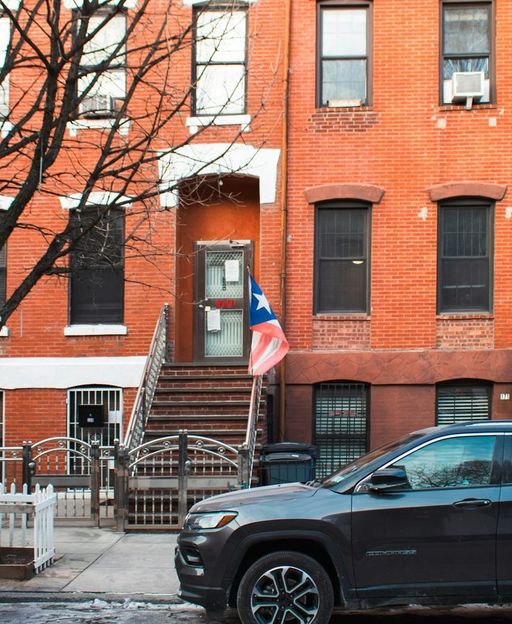
Harlem’s residential blocks — especially around Strivers’ Row (West 138th and 139th Streets) and Astor Row — hold some of the finest brownstone architecture in Manhattan, built in the late 1800s and largely preserved intact. This is where the Harlem Renaissance actually happened: Langston Hughes, Zora Neale Hurston, and Duke Ellington all lived within a few blocks of each other, and the neighbourhood was the centre of Black literary and artistic life in America through the 1920s and 30s. A slow walk through these streets, with no particular destination, is one of the best free things to do in the neighbourhood.
Soul Food and Harlem’s Restaurant Scene
Harlem’s soul food tradition runs deep, with several restaurants that have fed the same families for generations. Sylvia’s, open on Lenox Avenue since 1962, is the best-known name and still draws lines on Sunday. Red Rooster on Malcolm X Boulevard brings a more contemporary take on the same tradition. For something quicker, the neighbourhood’s small bakeries and soul food counters serve some of the best fried chicken and cornbread in the city at a fraction of Midtown prices.
The Studio Museum and Harlem’s Art Scene
The Studio Museum in Harlem is dedicated specifically to art by artists of African descent, and it remains one of the most important contemporary art institutions in the city. Beyond the museum itself, Harlem’s galleries and public murals — particularly along 125th Street — showcase a living, active art scene rather than a historical one.
Marcus Garvey Park and Green Space
Marcus Garvey Park, at the centre of the neighbourhood, offers a genuine break from the street grid — a rocky outcrop with an old fire watchtower at its summit, one of the last cast-iron fire towers left in the city. It’s a good spot to rest between sights, and considerably quieter than Central Park.
Getting to Harlem by Subway
Harlem is well connected to the rest of Manhattan. The 2 and 3 express trains stop at 125th Street, right in the centre of the neighbourhood, as do the A, B, C, and D trains a few blocks west. The 4, 5, and 6 trains serve East Harlem. Most of Harlem’s main sights, including the Apollo and Studio Museum, sit within easy walking distance of the 125th Street stations.
Frequently Asked Questions About Harlem, NYC
What is Harlem known for?
Harlem is known as the historic centre of Black American culture, music, and literature — home to the Apollo Theater, the Harlem Renaissance’s brownstone streets, and a soul food tradition that stretches back generations.
Is the Apollo Theater open to visitors?
Yes. The Apollo runs guided historical tours during the day and live shows, including its famous Amateur Night, most weeks. Book Amateur Night tickets in advance, as it’s one of the most popular shows in the city.
How do I get to Harlem by subway?
The 2 and 3 express trains and the A, B, C, and D trains all stop at or near 125th Street, the centre of Harlem. The 4, 5, and 6 trains serve East Harlem.
Is Harlem safe for tourists?
Harlem is a well-established residential and commercial neighbourhood that welcomes visitors year-round, and its main sights — the Apollo, 125th Street, and the Strivers’ Row brownstones — see regular tourist foot traffic. As with anywhere in New York City, ordinary city awareness applies.
Where should I eat in Harlem?
Sylvia’s on Lenox Avenue is the classic soul food choice, open since 1962. Red Rooster on Malcolm X Boulevard offers a more contemporary take on the same tradition. Both are within easy walking distance of the 125th Street subway stations.
Join 1,000+ New York Lovers
Every week, get New York’s hidden gems, local secrets, and travel inspiration — the kind you won’t find in any guidebook.
Subscribe free — enter your email:
Love more? Join 64,000 Ireland lovers → · Join 43,000 Scotland lovers → · Join 30,000 Italy lovers →
Free forever · One email per week · Unsubscribe anytime
