
Every December 31, about one million people press themselves into Times Square, often standing still for hours in the cold with nowhere to sit and no easy access to a bathroom. A billion more watch from living rooms on every continent. They’re all waiting for the same thing: a lit-up ball to descend 70 feet over exactly sixty seconds.
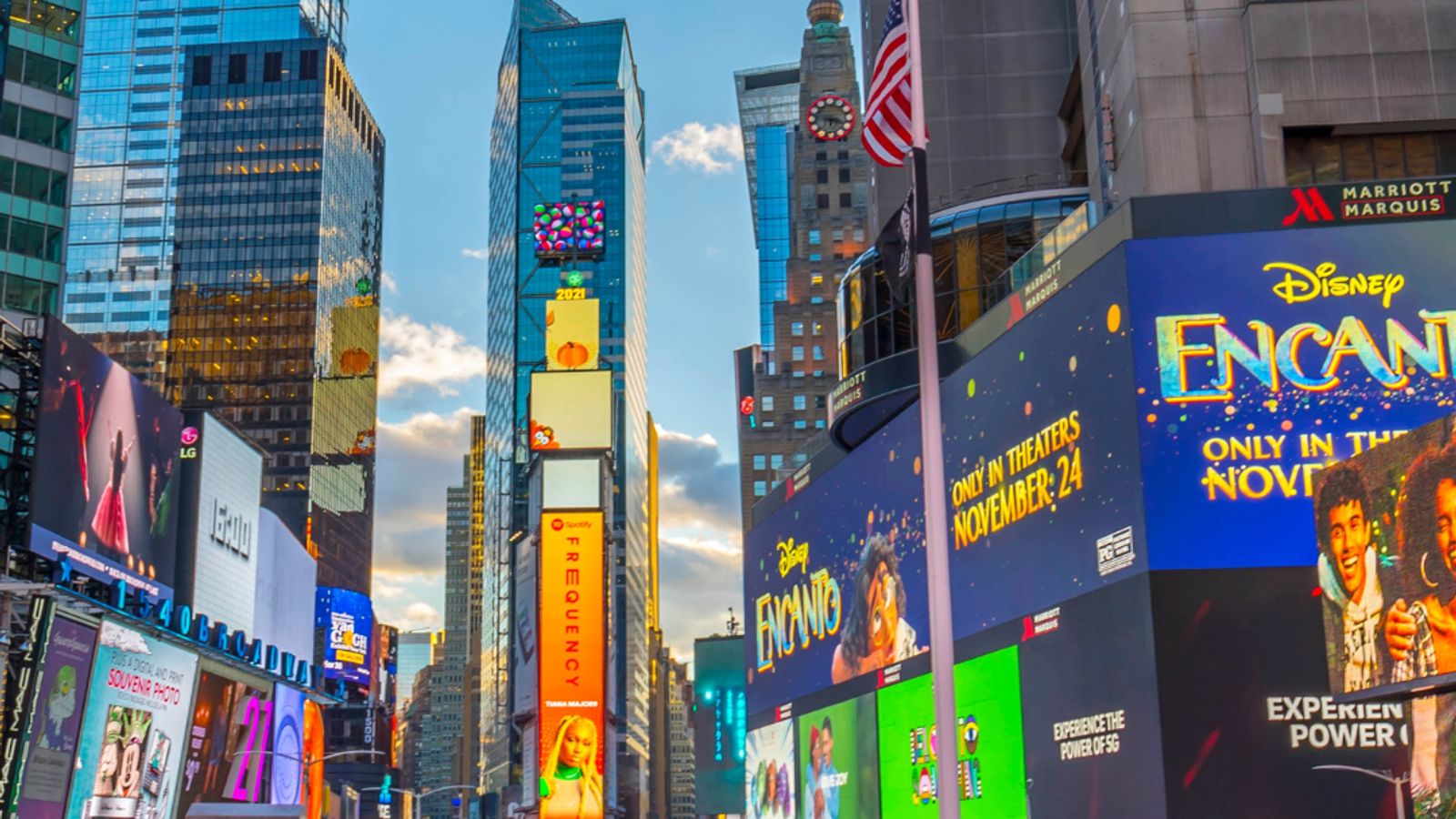
It’s the most-watched countdown on Earth. And it exists because of a fireworks ban.
A New Square Needed a New Tradition
In 1904, The New York Times moved into its new headquarters at the junction of Broadway and Seventh Avenue. The neighborhood, long known as Longacre Square, was renamed Times Square to mark the occasion.
Publisher Adolph Ochs wanted a celebration that would draw the whole city’s attention — and put the Times Tower at the center of it. On December 31, 1904, he staged a fireworks display from the rooftop, drawing an estimated 200,000 people to the streets below.
The tradition held for three years, growing each time. Then the city stepped in.
When the Fireworks Were Banned
In 1907, New York fire inspectors ruled that fireworks could no longer be set off from the roof of the Times Tower. The building was too tall, the risk too great.
Ochs needed an alternative — fast. The idea that emerged was simple: a lighted ball, lowered on a flagpole, counting down the final sixty seconds of the year. The visual drama of something descending — visible from blocks away, perfectly timed to midnight — would be more compelling than an explosion in the sky.
On December 31, 1907, the first ball descended over Times Square. It was made of iron and wood, weighed 700 pounds, and was lit by 100 electric lightbulbs. It was five feet across. It was lowered by hand.
The crowd that night was estimated at 200,000. When the ball reached the bottom and midnight struck, the cheer spread across the city. No one in that crowd could have known it would still be happening 117 years later.
Enjoying this? Join New York lovers getting stories like this every week. Subscribe free →
Two Silent Midnights
The tradition seemed unstoppable. Then came World War II.
In 1942 and 1943, New York was under wartime dimout restrictions. City lights were kept low along the waterfront to prevent German submarines from silhouetting ships against the Manhattan skyline. The bright spectacle of the Times Square ball was out of the question.
But the people came anyway.
On both nights, more than a million New Yorkers gathered in Times Square in near-total darkness. No ball. No lights. Just a crowd standing together as the year turned, listening to the bells of the Times Tower toll at midnight.
When the ball returned on December 31, 1944, the relief in the crowd was different from any ordinary celebration. Sometimes absence teaches you exactly what you have. New York’s tradition of gathering on its most famous streets had survived the war.
A Ball That Kept Reinventing Itself
Over the decades, the ball was redesigned again and again — each version reflecting its era.
In the 1980s, it briefly became a red apple. New York City had spent much of the 1970s in financial freefall, and the “Big Apple” rebrand was everywhere — a deliberate push to rebuild the city’s image. By the late eighties, the ball was back.
For the millennium countdown in 1999-2000, a completely new ball was designed — heavier, brighter, built for the television age. Today’s version weighs 11,875 pounds and measures twelve feet in diameter. It carries 2,688 Waterford Crystal triangles and 32,256 LED lights capable of generating 16 million color combinations.
It descends over exactly sixty seconds. It has never been late.
The Skyline Behind the Countdown
Part of what makes the Times Square drop so enduring is what surrounds it. Midtown Manhattan in the late 1800s and early 1900s was in the middle of an architectural arms race — and the buildings competing for the sky shaped the backdrop of every New Year’s celebration that followed.
The Chrysler Building, completed in 1930, was built in secret competition with 40 Wall Street — each architect racing to be tallest, neither willing to reveal their true plans. The era that produced those buildings was the same era that made Times Square the beating heart of the city.
Today the skyline around Times Square is built from a century of ambition. Every New Year’s Eve, a billion people look straight into it.
More Than a Countdown
What started as a workaround — a newspaper publisher scrambling after a fireworks ban — became something New York couldn’t let go of. The drop now happens every year regardless of weather. The crowd gathers in rain, snow, and bitter cold. Dozens of cities around the world now run their own ball drops, timed to midnight in their own time zones.
But the original still carries something the others don’t: it’s the place where the tradition was invented, and it’s the place where — for two years, in wartime darkness — the city kept showing up anyway.
If you ever find yourself in New York as December turns to January, think about joining the crowd. It’s loud, it’s crowded, and the logistics are brutal. And every year, somehow, it’s worth it. You’re not just watching a ball fall. You’re standing on the same street where a million New Yorkers stood in the dark in 1943, waiting for midnight, choosing to show up.
You Might Also Enjoy
- Why New York Welcomes Its Heroes With a Storm of Paper — and Always on the Same Street
- The Chrysler Building Was Built Around a Secret That Nobody Knew Until It Was Too Late
- Why Men Gathered Outside the Flatiron Building Every Day — And What the Police Did About It
Plan Your New York Trip
Ready to experience New York for yourself? Our ultimate New York travel guide covers neighborhoods, must-sees, and the stories behind the city’s most iconic landmarks — everything you need to plan a visit you’ll never forget.
Join New York Lovers
Every weekday morning, get New York’s hidden gems, neighbourhood stories, food origins, and city secrets — straight to your inbox.
Subscribe free — enter your email:
Love more? Join 65,000 Ireland lovers → · Join 43,000 Scotland lovers →
Free forever · Unsubscribe anytime
