
Walk one block in Jackson Heights and you’ll hear Nepali, Spanish, Gujarati, and Korean — sometimes from the same front stoop. This square mile in Queens has been called the most linguistically diverse urban area on the planet. Not New York. The planet.
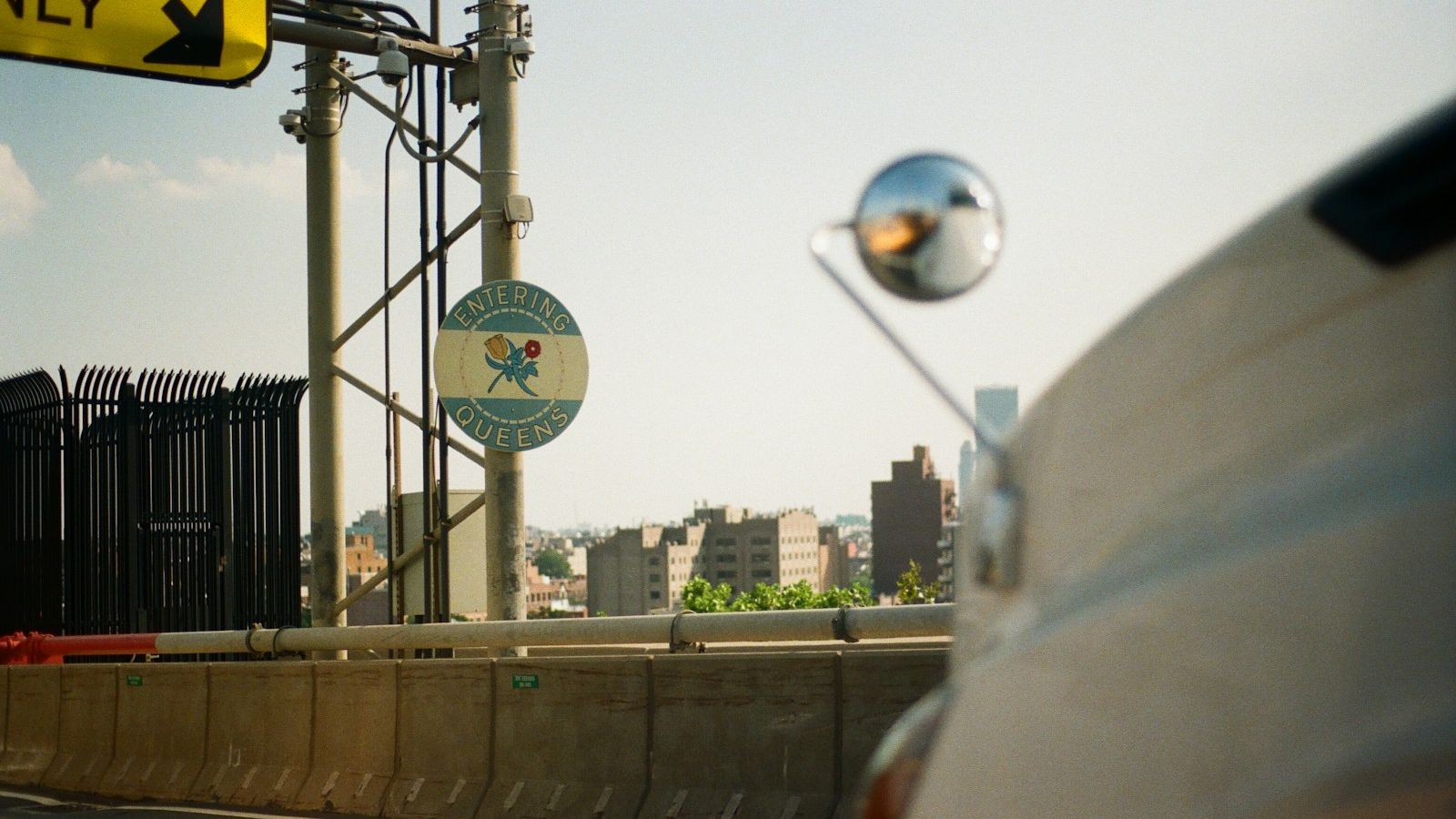
A Neighborhood That Reinvented Itself
Jackson Heights wasn’t always the neighborhood it became. In the 1910s, developers designed it as a garden apartment community — planned, tidy, aimed squarely at the middle-class professional. The buildings were lovely. The vision was narrow.
The neighborhood had other ideas.
By the 1960s, the first waves of South American immigrants arrived. South Asians followed in the 1970s and 1980s. Then Central Americans, Tibetans, Koreans, Mexicans, Bangladeshis. Each wave built something permanent: a grocery, a temple, a restaurant, a social club that became the center of an entire community’s world.
The result is a neighborhood that no planner ever designed — and that no one could replicate if they tried. New York’s immigration story didn’t begin here, but it never really stopped arriving here either. Linguists at Queens College have documented over 160 languages spoken within a mile of the main subway stop. That number isn’t a guess. It comes from decades of fieldwork.
Roosevelt Avenue Under the El Train
The heart of Jackson Heights runs beneath the elevated 7 train on Roosevelt Avenue. The tracks rumble overhead every few minutes. The food carts never stop below.
Arepa stands sit next to Bangladeshi sweets shops. Tamale vendors work beside Indian jewelers. At night, the lights from Patel Brothers — the legendary South Asian supermarket that has been here since 1974 — spill out onto the sidewalk, illuminating bins of lentils and bins of marigolds with equal enthusiasm.
This is not a sanitized “ethnic food destination.” It’s a working neighborhood. People live here. They’ve been living here for decades, and they’re not going anywhere.
A Square With No Single Country in Charge
Diversity Plaza, near the 74th Street subway exit, might be the most accurately named public space in New York City. Within two blocks in any direction, you can find Tibetan mo:mo dumplings, Colombian bandeja paisa, Nepali dal bhat, Bangladeshi mishti doi, and proper South Indian dosas.
Jackson Diner on 74th Street has been serving a South Asian weekend buffet since 1981. It’s still packed. The 37th Avenue stretch — sometimes called “Little India” — undersells its own diversity. The shops carry Punjabi bangles, Gujarati snacks, and Bengali sweets, all on the same block, often in the same store.
Jackson Heights doesn’t have one cuisine. It has all of them. That is entirely the point.
Enjoying this? Join New York lovers getting stories like this every week. Subscribe free →
Art Deco Behind the Archways
What surprises first-time visitors isn’t the food. It’s the architecture.
Jackson Heights has some of the finest garden apartment complexes in New York City. The Chateau, the Towers, Linden Court — built in the 1920s with English garden courtyards tucked behind ornate brick facades. You walk through an archway and find yourself in a private garden in the middle of Queens, the city gone quiet behind you.
The Historic District, designated in 1993, protects over 2,500 buildings. The art deco details on the facades — carved stonework, decorative ironwork, terracotta ornament — are as fine as anything in Manhattan. Real estate agents have started calling it one of New York’s best-kept secrets. Long-term residents prefer it quiet.
How Migration Actually Works
The story of Jackson Heights is really the story of how migration works at the human level — not the policy level.
A woman from Medellín arrived and told her sister. Her sister came and told her cousin. The cousin eventually opened a restaurant. That restaurant is still there. Across the street, the same chain of decisions brought a family from Gujarat, then one from the hills above Kathmandu, then one from a village outside Dhaka.
New York’s 1965 immigration reform opened the door wider than it had ever been. Jackson Heights was affordable. It had the 7 train. It had space. And once one community arrived and proved it was possible to build a life here, the next community followed the path they had cleared.
The same story played out twelve million times on a different island not far from here. The names and the countries changed. The decision — to come, to stay, to build — never did. If you want to understand what that first arrival actually felt like, Ellis Island is still there, waiting.
How to See It Properly
Don’t rush Jackson Heights. This is a neighborhood for walking slowly, eating everything, and getting a little lost.
Start at the 74th Street–Broadway stop on the 7 train. Walk south toward Diversity Plaza. Stop at the first food cart that smells right and order without knowing exactly what it is. Keep walking.
On weekends, side streets fill with vendors selling street food from a dozen countries. On Sunday mornings, the Colombian bakeries open at dawn. On any given Tuesday at noon, Roosevelt Avenue looks like a city assembled from parts of twenty different cities — and somehow, impossibly, it works.
Queens has more than one neighborhood with this kind of depth. Astoria kept its Greek identity alive for over a century in ways that still surprise visitors today. The borough rewards exploration in a way that Manhattan rarely does anymore.
A New York That Was Never Packaged for Tourists
What makes Jackson Heights different from the tourist version of immigrant New York is that nobody ever packaged it for visitors. There’s no museum. No official “experience” to buy tickets for. No walking tour that tells you what to feel.
It’s just where people live — and where they’ve been living, cooking, praying, and celebrating across four and five generations now.
Every city says it’s diverse. Jackson Heights just is. And the difference between those two things is everything.
You Might Also Enjoy
- The Island That Gave 12 Million People a Second Chance — and What It Actually Cost Them
- The Queens Neighborhood That Kept Greek Culture Alive for a Century
- The Queens Neighborhood That Quietly Became More Chinese Than Chinatown
Plan Your New York Trip
Ready to explore New York beyond the tourist trail? Our 3-day New York itinerary builds in time for neighborhood wandering, authentic food finds, and the hidden stories that make this city endlessly surprising.
Join New York Lovers
Every weekday morning, get New York’s hidden gems, neighbourhood stories, food origins, and city secrets — straight to your inbox.
Subscribe free — enter your email:
Love more? Join 65,000 Ireland lovers → · Join 43,000 Scotland lovers →
Free forever · · Unsubscribe anytime
