
Three days in New York City sounds impossibly short — and yet, with the right plan, you can walk the Brooklyn Bridge at sunrise, lose yourself in Central Park, eat the best pizza of your life in a tiny West Village joint, and still catch a Broadway show before your flight home. New York in 3 days is absolutely doable, and this itinerary will show you exactly how to spend every hour of it. Whether you’re landing at JFK for the very first time or returning with fresh eyes, this guide is your blueprint for the city that never sleeps.
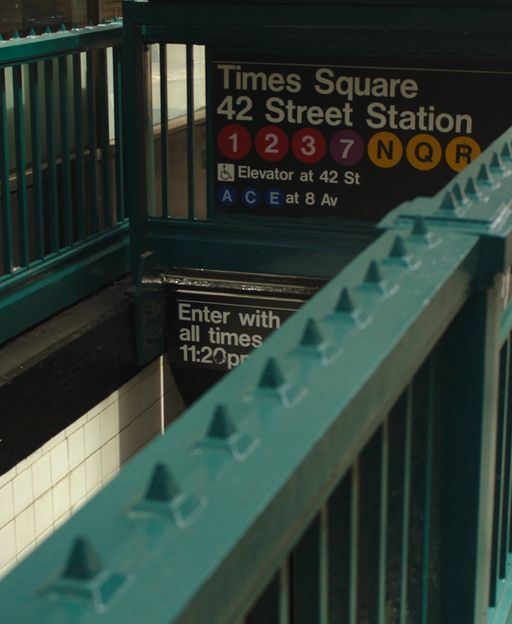
Before you start packing, a quick note: New York rewards walkers. Comfortable shoes are non-negotiable. The subway is your best friend — a 7-day unlimited MetroCard is far cheaper than taxis and gives you full freedom of movement across all five boroughs. Now, let’s get into it.
Day 1: Manhattan’s Greatest Hits
Your first day in New York deserves a proper Manhattan immersion. Start early — ideally before 8am — when the city is just waking up and the tourist crowds haven’t yet descended on the most famous spots.
Morning: Central Park and the Upper West Side
Begin your New York in 3 days adventure at Central Park. Enter at the 72nd Street gateway on the west side and head straight to the Bethesda Fountain — one of the most beautiful spots in the city, and gloriously peaceful early in the morning. From there, wander north towards the Reservoir, where joggers circle the water with the Upper West Side skyline rising beyond the treeline.
After an hour in the park, head to the Upper West Side for breakfast. Amsterdam Avenue between 70th and 80th Streets has excellent neighbourhood cafés where locals actually eat. Order a proper New York bagel with lox — it will ruin all future bagels for you, and that is entirely the point.
Afternoon: The High Line, Chelsea and Hell’s Kitchen
Take the subway down to 34th Street and walk west to the Hudson Yards, where you can board the southern end of the High Line — an elevated park built on a disused railway line threading through the Chelsea and Hell’s Kitchen neighbourhoods. It’s one of New York’s most distinctive and genuinely enjoyable experiences: art installations, wild plants, Hudson River views, and some of the city’s most interesting contemporary architecture rising around you.
Descend at the 14th Street exit and explore Chelsea’s gallery district. Many galleries are free to enter and the art on show is world-class. From Chelsea, walk south through the Meatpacking District — it feels very different at 3pm versus midnight, and that contrast is part of what makes New York endlessly fascinating.
For those who want a deeper look at New York’s extraordinary natural landscape, New York’s top parks and gardens offer far more than Central Park alone — from the New York Botanical Garden in the Bronx to the quiet corners of Prospect Park in Brooklyn.
Evening: Times Square and the Theatre District
Yes, you should go to Times Square. Don’t let anyone tell you it’s only for tourists — the sheer visual spectacle of it at night is genuinely extraordinary. Grab a slice of dollar pizza somewhere on 8th Avenue (you will find them easily), then take in the neon madness of Times Square at around 9pm when it truly comes alive.
If a Broadway show is in your budget, book tickets in advance — the TKTS booth in Times Square often has same-day discounts if you’re flexible. Even just walking through the Theatre District in the evening, when audiences are spilling out of matinées in their finest clothes, is a genuine New York moment.
Explore New York Like a Local
Every week, we send New York’s hidden gems, neighbourhood secrets, and travel inspiration — the kind you won’t find in any guidebook.
Join Free — Weekly NYC Insider →
Free forever · Unsubscribe anytime
Day 2: Brooklyn — the Borough That Stole the City’s Heart
Many visitors spend their entire New York trip in Manhattan. That’s a mistake. Brooklyn is where so much of the city’s creative energy, food culture, and genuine neighbourhood life actually lives. Dedicate your second full day to crossing the river.
Morning: The Brooklyn Bridge and DUMBO
Walk across the Brooklyn Bridge from the Manhattan side — ideally at sunrise, when the light on the suspension cables is magnificent and the crowds are thin. The walk takes about 30 to 40 minutes and arrives in DUMBO (Down Under the Manhattan Bridge Overpass), one of Brooklyn’s most photogenic and vibrant neighbourhoods.
In DUMBO, look for the famous view along Washington Street where the Manhattan Bridge frames perfectly between the buildings — you’ll recognise it immediately. Grab breakfast at one of the cafés on Front Street and wander along the Brooklyn waterfront, where the panoramic view back across the East River to the Manhattan skyline is breathtaking in the morning light.
Afternoon: Williamsburg and Greenpoint
From DUMBO, take the subway one stop to Williamsburg — perhaps Brooklyn’s most famous neighbourhood and, whatever you’ve heard about gentrification, still one of the most interesting places in the city to spend a few hours. Bedford Avenue is the main strip: vintage shops, record stores, independent bookshops, and an extraordinary density of excellent food.
For lunch, the options in Williamsburg are almost overwhelming. Look for the neighbourhood’s many excellent taco spots, Vietnamese joints on Graham Avenue, or the Polish bakeries in adjacent Greenpoint — one of New York City’s most charming and underrated neighbourhoods, still very much a working-class Polish-American community despite its proximity to hipster Brooklyn.
Walk north from Williamsburg into Greenpoint for a quieter, more residential feel. Manhattan Avenue is lined with local businesses that feel refreshingly unchanged by tourism.
Evening: Park Slope and Brooklyn Heights
Head south to Park Slope for dinner — Vanderbilt Avenue and Fifth Avenue have an outstanding range of restaurants at reasonable prices. After dinner, walk down to the Brooklyn Heights Promenade for a final, unforgettable view of the Manhattan skyline glittering across the water at night.
For a deeper dive into everything Brooklyn has to offer, our Brooklyn in 48 Hours insider’s guide covers the borough in far greater detail than one day allows.
Day 3: Harlem, Greenwich Village and Lower Manhattan
Your final day covers the New York that most first-timers miss: the cultural richness of Harlem in the morning, the bohemian character of Greenwich Village in the afternoon, and the raw historical weight of Lower Manhattan before you leave.
Morning: Harlem
Take the A or D train uptown to Harlem and arrive in time for a proper soul food breakfast. Sylvia’s on Lenox Avenue is the legendary choice — it has been feeding New York since 1962 and the fried chicken and waffles are absolutely worth the journey. Harlem’s architecture is extraordinary: wide boulevards lined with brownstones, the Apollo Theater on 125th Street, the Studio Museum, the vibrant street life of Frederick Douglass Boulevard.
Walk along 125th Street to feel the pulse of this neighbourhood, which has shaped so much of American music, art, and culture. Then head south along Lenox Avenue through the historic heart of Harlem, past the beautiful row houses of Strivers’ Row.
Afternoon: Greenwich Village and the West Village
Descend to Greenwich Village in the early afternoon. The Village operates at a different pace to Midtown — the streets are narrower, the buildings shorter, and the whole place feels like a neighbourhood that has somehow resisted the city’s relentless modernisation.
Greenwich Village is absolutely worth visiting, and the answer to any version of that question is yes. Wander through Washington Square Park, watch the chess players and street performers, walk west into the West Village where the streets curve unexpectedly and the boutiques and restaurants are some of the most charming in the city.
Have an early dinner in the West Village — the neighbourhood rewards slow exploration on foot more than any specific landmark. Bank Street, Bleecker Street, and Hudson Street all have excellent independent restaurants. Avoid anywhere with a long tourist queue outside. The best meals in New York are almost always in places you stumble upon.
Late Afternoon: Lower Manhattan and the Financial District
Finish your New York in 3 days trip with a walk through Lower Manhattan. The Financial District is easy to dismiss as merely corporate, but it’s also where New York began — the original Dutch settlement of New Amsterdam was here, and the street grid still follows those 17th-century lanes in places. The charging Bull on Broadway, the Fearless Girl outside the New York Stock Exchange, the narrow canyons of Wall Street: even if finance means nothing to you, the scale and history of this place is genuinely impressive.
End at Battery Park for your final view of the Statue of Liberty across the harbour, a fitting conclusion to three extraordinary days in one of the world’s great cities. For a comprehensive overview of New York State beyond the city itself, the ultimate New York travel guide is the natural next step in your planning.
Practical Tips for Planning New York in 3 Days
Getting Around
The subway is the backbone of New York City transport and runs around the clock. Buy a MetroCard at any station (the machines accept cards and cash) or, on newer lines, tap a contactless bank card directly. A single journey costs a flat rate regardless of distance. Taxis and ride-shares are useful late at night but cost considerably more and are subject to traffic — in Midtown during peak hours, walking is genuinely faster.
Where to Stay
For first-time visitors, Midtown Manhattan (between 34th and 59th Streets) is the most convenient base — central, well-connected, and close to most of the Day 1 sights. The Upper West Side is quieter and more residential, which suits some travellers better. Brooklyn — particularly around Williamsburg, Park Slope, or Downtown Brooklyn — offers cheaper accommodation and a more authentic neighbourhood feel, with easy subway access to Manhattan.
When to Visit
New York is a year-round destination. Spring (April to June) and autumn (September to November) are the classic seasons: pleasant temperatures, manageable crowds, and the city at its most photogenic. Summer brings heat, humidity, and heavy tourist numbers but also outdoor concerts, rooftop bars, and long golden evenings. Winter, particularly December, is magical — the Christmas lights on Fifth Avenue and Rockefeller Center are genuinely spectacular, even if the temperatures are brutal.
What to Budget
New York is an expensive city but not as impenetrable as its reputation suggests. Free attractions include Central Park, the High Line, the Brooklyn Bridge walk, the Staten Island Ferry (which gives you a free Statue of Liberty view), and many of the city’s best museums on certain evenings. Food costs vary enormously: a bagel or a slice of pizza costs a few dollars; a sit-down dinner at a good neighbourhood restaurant runs roughly $25 to $50 per head before drinks. Build in a realistic food budget and you’ll eat extraordinarily well.
Join 1,000+ New York Lovers
Every weekday morning, get New York’s hidden gems, local secrets, and travel inspiration — the kind you won’t find in any guidebook.
Subscribe free — enter your email:
Free forever · Unsubscribe anytime
Ready to Plan Your New York Trip?
Three days in New York will leave you wanting more — that is the city’s particular magic. You’ll return home with sore feet, an overflowing camera roll, and the certain knowledge that you’ve barely scratched the surface. That’s exactly right. New York is not a city you finish; it’s a city you keep returning to, and each time it shows you something different. Start with these three days and plan the next trip before you’ve even boarded the plane home.
