
The Chelsea Hotel opened in 1884 as something New York had never seen before. Not a luxury palace. Not a grand tower. A place where writers could write and painters could paint — and if the rent ran short, the art on the wall would cover it.
That one policy changed everything.
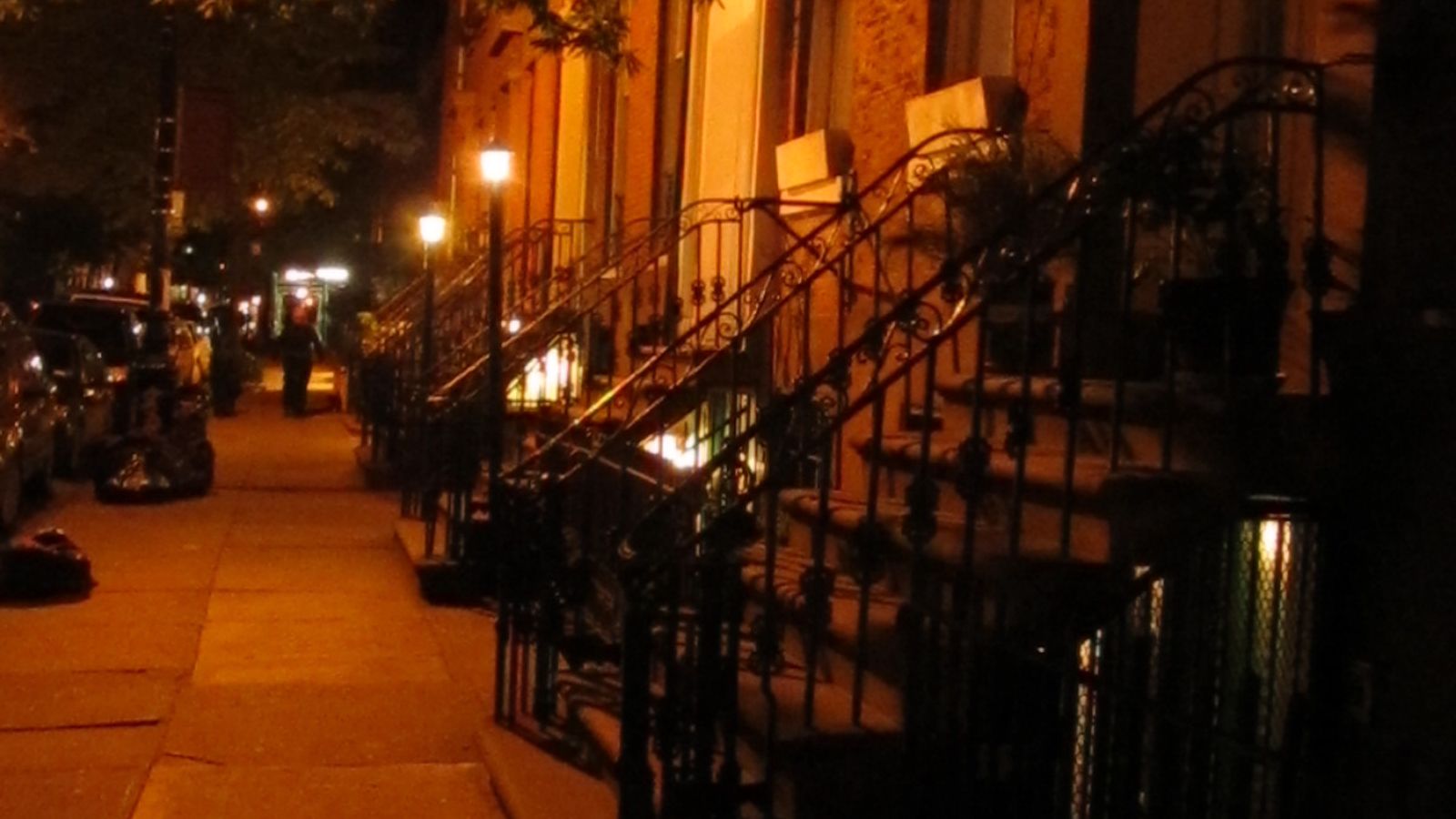
The Building That Refused to Fit In
The Chelsea sits at 222 West 23rd Street in Manhattan. It’s a 12-story Victorian Gothic building — red-brick and ornate, with iron balconies and arched windows that look like they belong to a different century.
When it was completed, it was one of the tallest structures in the city. It began as a cooperative apartment building, where residents owned their units and lived side by side regardless of income, before converting to a hotel in 1905.
The original vision was about community, not luxury. That spirit never quite left.
The Policy That Built a Legend
At some point in the early 20th century, the Chelsea’s management made a simple offer to residents who couldn’t pay rent in cash. They could pay in art instead.
Over the decades, more than 400 works filled the lobby, hallways, and common areas. Paintings traded for weeks of lodging. Sculptures earned a month’s stay. Nobody curated the collection. It accumulated the way creativity always does — one piece at a time, without a master plan.
The owners genuinely wanted artists in the building. They believed creativity needed a home. They chose to be that home.
The Guest List That Reads Like a Library
Dylan Thomas lived at the Chelsea in the early 1950s. His room was barely large enough for a writing desk. He worked through the nights and drank through the days, and eventually walked out for the last time — heading to the White Horse Tavern in the West Village, where he poured himself one last round.
Arthur Miller lived here for years while his marriage to Marilyn Monroe fell apart. Tennessee Williams wrote in an upper-floor room. Bob Dylan checked in during the 1960s and worked on material that shaped his most celebrated albums.
Patti Smith and Robert Mapplethorpe arrived in New York completely unknown and shared a room here when they couldn’t afford anything else. Leonard Cohen wrote “Chelsea Hotel #2” — one of his most beloved songs — about an evening spent with Janis Joplin in one of these rooms.
No hotel in the world has housed that much talent under one roof. Not even close.
Enjoying this? Join New York lovers getting stories like this every week. Subscribe free →
The Decade When Everything Happened at Once
By the late 1960s, the Chelsea had become something even larger than art or literature.
Andy Warhol filmed “Chelsea Girls” here in 1966 — a three-and-a-half-hour portrait of the building’s residents that captured exactly what happened when you packed enough creative people into enough small rooms. Jimi Hendrix was a regular. Janis Joplin. The Grateful Dead stayed multiple times.
The building attracted artists the way New York was absorbing the entire art world in the postwar years — not because it was glamorous, but because it was open. You didn’t need money or connections to stay at the Chelsea. You needed something to contribute.
What the Chelsea Hotel Is Today
The hotel closed for renovations in 2011. For years it sat empty, its future tied up in legal disputes and competing visions. New Yorkers who had known the old Chelsea watched and waited.
It reopened as Hotel Chelsea in 2022 after a careful renovation that preserved the original structure, the Victorian facade, and pieces of the art collection that had accumulated over a century. You can still walk into the lobby and find work that hung there decades ago.
A room costs considerably more than a painting these days. The artists who once traded canvases for rent couldn’t afford West 23rd Street now. That’s the city’s oldest story — every neighborhood that produces something extraordinary eventually prices out the people who produced it.
But the building stands. The ironwork balconies are still there. The arched windows still face the street. And the idea behind it — that creativity deserves a home — is harder to renovate out of a building than any original plasterwork.
Some places in New York City are famous for what was built there. The Chelsea Hotel is famous for who was allowed in.
You Might Also Enjoy
- How New York Stole the Art World From Paris — and Nobody Saw It Coming
- The West Village Bar Where Dylan Thomas Drank His Last Round — and American Literature Changed Forever
- The Tiny Bowery Club Where New York Accidentally Invented Punk Rock
Plan Your New York Trip
Ready to walk West 23rd Street yourself? Our New York in 3 Days itinerary covers the city’s essential neighborhoods, landmarks, and hidden corners — everything you need to plan a first visit that goes beyond the tourist trail.
Join New York Lovers
Every weekday morning, get New York’s hidden gems, neighbourhood stories, food origins, and city secrets — straight to your inbox.
Subscribe free — enter your email:
Love more? Join 65,000 Ireland lovers → · Join 43,000 Scotland lovers →
Free forever · Unsubscribe anytime
