
Every spring, for a narrow window between late April and mid-May, something extraordinary happens in the middle of Manhattan. Millions of birds — warblers, tanagers, thrushes, orioles — pour through the city’s airspace on their journey north. And right in the heart of New York, a wild tangle of woodland called The Ramble catches them like a net.
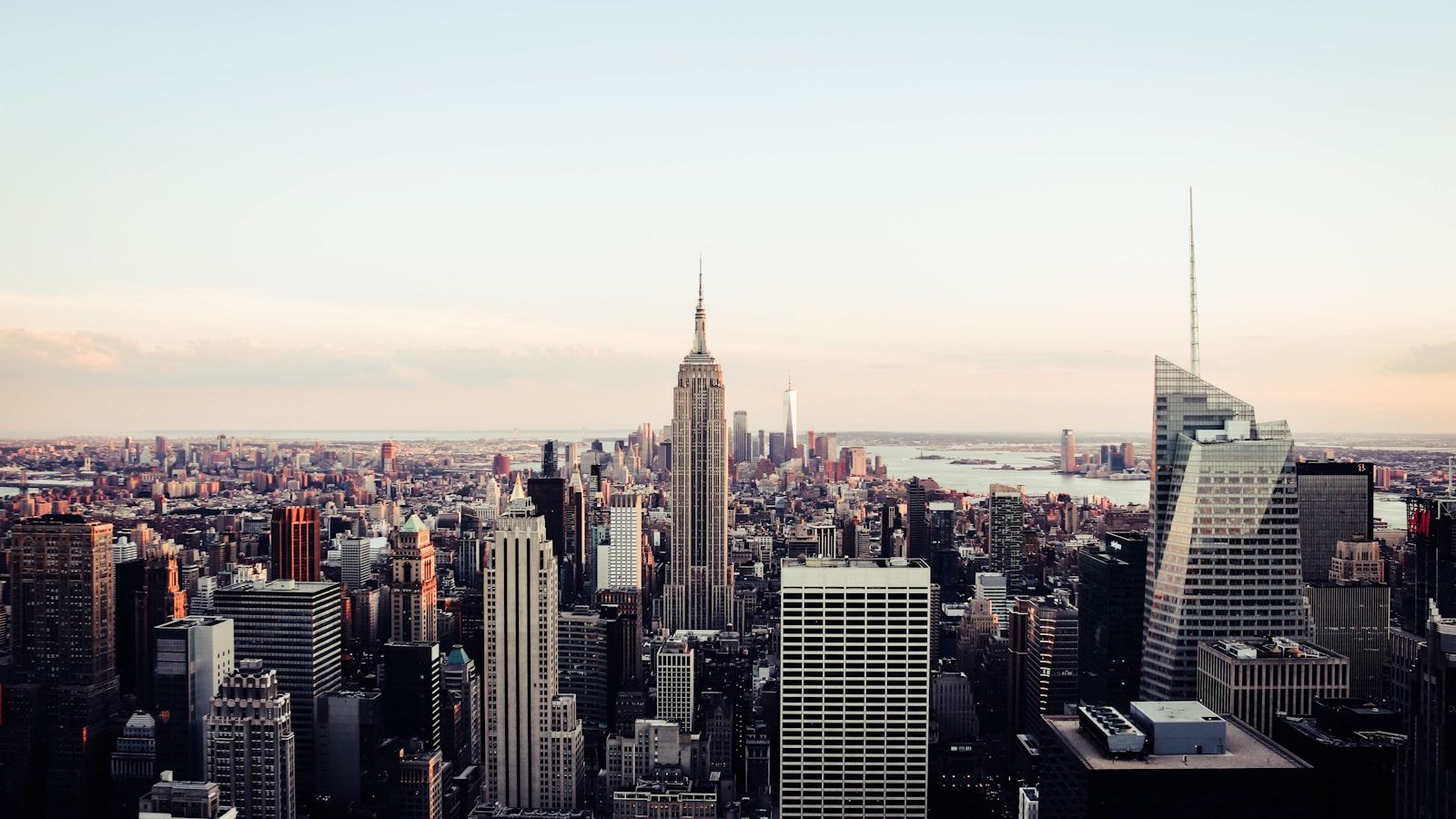
The Atlantic Flyway Runs Right Through Manhattan
New York City sits directly on the Atlantic Flyway, one of North America’s great bird migration corridors. Twice a year — spring and fall — billions of birds travel this ancient route, hugging the eastern coastline as they move between tropical wintering grounds and Canadian breeding territories.
For most of these birds, Manhattan is a wall of glass and steel. But Central Park is different. From the air, 843 acres of green in an ocean of concrete looks exactly like what it is: an oasis. Exhausted migrants descend into the park by the thousands, especially after a night of flying against headwinds.
Ornithologists call the park a “migrant trap.” When favorable winds collapse at dawn and tired birds need to land, Central Park is often the first green they can reach. The results, on the right morning, can be stunning.
The Ramble: 36 Acres of Wild Woodland in the City’s Heart
Frederick Law Olmsted designed The Ramble intentionally as a naturalistic woodland — 36 acres of rocky paths, native shrubs, and a small stream called the Gill. He wanted it to feel like true wilderness inside the city. In spring migration, it earns that description entirely.
On the right morning, The Ramble glitters with color. Blackburnian warblers flame orange in the treetops. Scarlet tanagers drop into the canopy. Ruby-throated hummingbirds hover at red flowers. On the best days — calm nights followed by warm south winds — birders call it a “fall-out.” So many birds descend at once that every branch seems to hold something new.
Just a short walk away, Central Park holds other surprises year-round. There’s a hidden Shakespeare Garden planted with every flower mentioned in the plays — another corner of the park that most visitors walk right past.
The Community That Gathers Before Dawn
By 6 a.m. on a late April morning, The Ramble already has company. Birders with binoculars and long lenses cluster around the Evodia Field, the Point, and Tupelo Meadow — spots that have earned names passed down through generations of regulars.
This community is multigenerational, passionate, and startlingly welcoming. A first-time visitor with a basic pair of binoculars will often find themselves surrounded by experts who genuinely want to share what they’re seeing. People call out species, point to branches, and wait while you find the view. Birding in The Ramble is, somehow, the opposite of competitive.
It’s one of the more quietly remarkable social rituals the city runs every spring — and almost nobody outside a devoted community knows to look for it.
Enjoying this? Join New York lovers getting stories like this every week. Subscribe free →
The Numbers Behind the Magic
More than 200 species have been recorded in Central Park in a single spring season. Over 300 species have been logged in the park overall — a number that rivals many national parks far outside the city.
Spring “big days” — informal efforts where birders try to spot as many species as possible in 24 hours — regularly turn up 80 to 90 species within the park’s boundaries alone. The park’s annual Christmas Bird Count, running since the early 1900s, is one of the longest continuous citizen science records in New York.
For a first-time visitor, those numbers are hard to believe. Then you spend one morning in The Ramble in late April, and they start to make sense.
What You Need to Visit
Nothing. Birding in The Ramble costs nothing, requires no booking, and needs no special equipment beyond a willingness to look up. A basic pair of binoculars helps, but the longtime regulars will happily point out exactly what they’re seeing — and where to look.
The best window runs from late April to mid-May. Dawn to about 9 a.m. is peak activity. A weekday morning after a clear, calm night puts more birds in The Ramble than any forecast can predict. The birds follow the wind, not the calendar.
The Ramble is just one of the many genuinely free experiences hidden inside New York City that most visitors never find. The best things here often have no entrance fee at all.
Central Park itself keeps secrets well. Near its southern end, one quiet corner draws visitors from over 100 countries every day — for an entirely different kind of reason.
The Ramble is one of those New York experiences that falls completely outside the guidebooks. No ticket line. No entrance fee. No reservation. Just a stretch of wild woodland and whatever the night sky delivered. On the right morning in late April, it’s one of the most extraordinary things this city has to offer.
You Might Also Enjoy
- Central Park Has a Secret Garden Planted With Every Flower Shakespeare Ever Mentioned
- Why This Quiet Corner of Central Park Draws Mourners From 100 Countries Every Day
- Free Things to Do in NYC: The Best No-Cost Experiences in New York City
Plan Your New York Trip
Ready to explore New York? Our complete New York food guide covers everything from street carts to legendary delis — the essential eating experiences worth planning your visit around.
Join New York Lovers
Every weekday morning, get New York’s hidden gems, neighbourhood stories, food origins, and city secrets — straight to your inbox.
Subscribe free — enter your email:
Love more? Join 65,000 Ireland lovers → · Join 43,000 Scotland lovers →
Free forever · · Unsubscribe anytime
