
Walk west from Times Square past the theater marquees and keep walking until the buildings get lower, the streets get quieter, and someone at a diner counter calls you “hon.” You’ve found Hell’s Kitchen. The city officially calls it something else. Nobody here does.
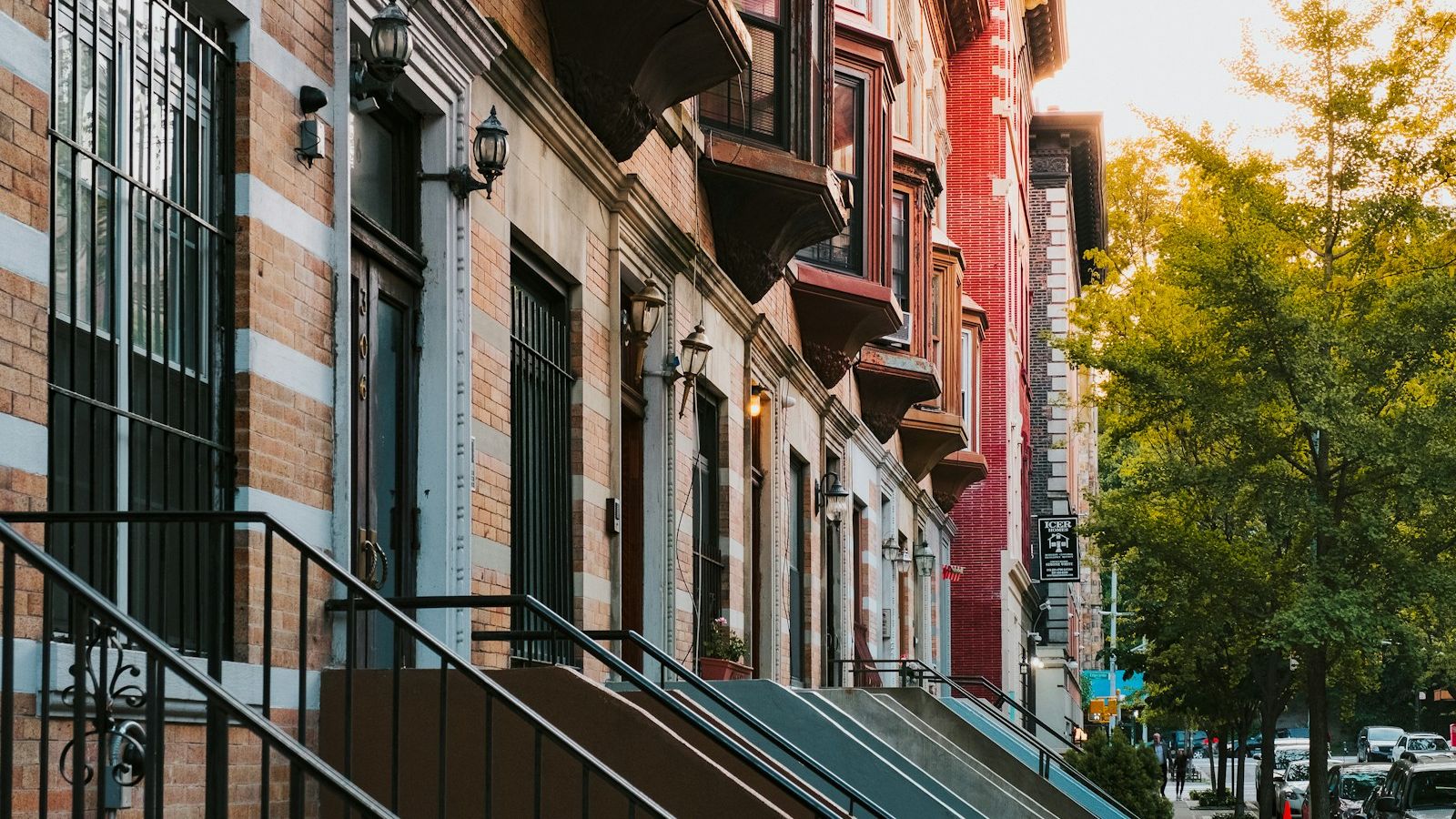
A Name That Refused to Be Erased
In the 1960s, New York City planners decided Hell’s Kitchen was bad for the neighborhood’s image. They rebranded it “Clinton” — a respectable name honoring DeWitt Clinton, the early governor who helped build the Erie Canal.
The signs went up. The zoning maps changed. The neighborhood nodded politely and kept calling itself Hell’s Kitchen.
Today, more than half a century later, “Clinton” appears mostly on official documents. Everyone else uses the old name. For a neighborhood that had survived waves of immigration, economic collapse, and relentless redevelopment, a municipal renaming was hardly going to stick.
How the Name Got Its Edge
The exact origin of “Hell’s Kitchen” is genuinely disputed, which feels appropriate for a place with a complicated past.
The most repeated version involves two police officers watching a riot on 39th Street in the 1880s. The older officer supposedly said, “This place is hell itself.” His rookie partner replied, “It’s worse — it’s hell’s kitchen.”
Whether or not that exchange happened, the name stuck. By the 1880s it appeared in the New York Times, attached to a stretch near 10th Avenue that even hardened city reporters described with visible unease. Slaughterhouses, rail yards, and stables lined the Hudson waterfront. Tenement buildings packed in successive waves of Irish, German, and later Puerto Rican immigrants, all crammed into apartments with thin walls and thinner prospects.
The Irish Heart of Hell’s Kitchen
For much of the late 19th and early 20th centuries, Hell’s Kitchen was one of the most densely Irish neighborhoods in America.
Families came over after the Famine and never quite left. Their children and grandchildren stayed. The neighborhood developed the kind of fierce, close culture common to immigrant enclaves — deep loyalty to the block, suspicion of outsiders, and a political machine that knew every name on every stoop.
The proximity to the Hudson docks meant work — hard physical work loading and unloading ships. The proximity to the rail yards meant more of the same. Life in Hell’s Kitchen was demanding, but it was also communal in ways that neighborhoods rarely are today. People knew their neighbors’ stories because they shared walls with them.
If you’re planning a visit and want to understand how neighborhoods like this shaped the city, the best neighborhoods guide for New York City visitors is a good place to start.
The Neighborhood That Built Broadway
Here’s the part that surprises most visitors: Hell’s Kitchen and Broadway grew up side by side.
The Theater District sits just to the east, and for generations Hell’s Kitchen was where the people who actually built those shows lived. Stagehands, costume makers, set designers, lighting crews — they needed to be close to the stage door and couldn’t afford Midtown rents. Hell’s Kitchen was walking distance from the wings.
Working actors lived here too. The cheap apartments on 46th and 47th Streets became the unofficial waiting rooms of American theater — performers between shows, making coffee on shared hot plates, reciting lines at kitchen tables. The neighborhood that looked rough from the outside was quietly full of people rehearsing their way toward something better.
The connection between the neighborhood and the stage ran deeper than geography. Just blocks away, one stretch of Manhattan was producing the songs that defined American popular music — and the workers who made that music possible mostly lived on the West Side.
Enjoying this? Join New York lovers getting stories like this every week. Subscribe free →
How It Changed — and What Didn’t
Urban renewal in the 1960s and 1970s demolished blocks of tenements and replaced them with the towers of the Clinton Houses and De Witt Clinton Park. The population shifted. The old communities scattered to Queens or to the suburbs.
But the neighborhood’s character was harder to demolish. 9th Avenue held its ground as a restaurant corridor even when the surrounding blocks were at their lowest. The 9th Avenue International Food Festival, one of the oldest street fairs in the city, kept coming every May through the lean years and into the good ones.
Then came the 1990s and the slow return. First rents rose in the Village. Then in Chelsea. Then in Hell’s Kitchen, which was suddenly walkable to Midtown, had a subway every few blocks, and cost less than anywhere else on the West Side — for a while.
Restaurants that had served dockworkers and theater crews quietly started getting written up in food magazines. The tenements became condos. The character compressed but didn’t disappear.
Hell’s Kitchen Today
Walk 9th Avenue on a Saturday and you’ll pass restaurants from a dozen countries within four blocks. Japanese ramen next to Peruvian ceviche next to an old Irish pub that’s been there since before the neighborhood had a cell phone tower.
The old tenements have mostly been renovated. The new buildings have doormen. But the deli on the corner has been there longer than most of the current residents, and the woman behind the counter still knows what you want before you say it.
Actors still live here. Stagehands still live here. The proximity to the stage door has never stopped being useful, and the neighborhood has never stopped being interesting because of it.
And nobody calls it Clinton.
Hell’s Kitchen is the kind of place that resists being tidied up — in name, in character, or in memory. The city tried to give it a better address. New Yorkers kept the one that told the truth about where they’d been and who they were. That’s not a small thing in a city that renames itself every generation.
You Might Also Enjoy
- The Best Neighbourhoods in NYC for Tourists: Your Essential Planning Guide
- How One Noisy Block in Manhattan Wrote the Songs That Defined America
- Hidden Gems in NYC: The New York Most Tourists Never See
Plan Your New York Trip
Ready to explore Manhattan’s neighborhoods in person? Our New York City travel tips guide covers everything you need to know — from getting around the boroughs to finding the spots that locals actually love.
Join New York Lovers
Every weekday morning, get New York’s hidden gems, neighbourhood stories, food origins, and city secrets — straight to your inbox.
Subscribe free — enter your email:
Love more? Join 65,000 Ireland lovers → · Join 43,000 Scotland lovers →
Free forever · · Unsubscribe anytime
