
Walk west of the Pinetum in Central Park and you stand where a village once stood. Families raised children here. They built three churches. About half of them owned their homes. Today most visitors pass by without knowing. This is the story of Seneca Village, one of the first communities in New York where Black families owned land.
If you love New York’s hidden stories, you’ll love our free weekly newsletter. Subscribe to Love New York →
How Seneca Village began in 1825
The village began in 1825. John and Elizabeth Whitehead split their land into 200 lots and put them up for sale. Andrew Williams was the first buyer. He paid $125 for three lots, according to the Central Park Conservancy.
The new neighborhood sat on the west side of what was then upper Manhattan. Today the site runs from West 82nd Street to West 89th Street. It reaches east to Seventh Avenue. That puts it along the western edge of Central Park, beside the Arthur Ross Pinetum.
In those years this land lay far from the crowded streets of lower Manhattan. Families could buy a lot, build a home, and plant a garden. For many, owning land meant security. It also meant a place of their own in a growing city.
Who lived in Seneca Village
By 1855, about 225 people lived in the village. Roughly two-thirds were African American. About one-third were Irish immigrants. A small number had German roots. About half of the residents owned their homes.
That mix matters. Irish families arrived in New York in large numbers in these years. Many of them lived in crowded tenements downtown, in places like Five Points. The families of Seneca Village found a different setting, with open land and neighbors from several backgrounds.
If your family has Irish, German, or African American roots in New York, this village may belong to your story. Records from this period are thin. But the village shows how varied the city already was before the Civil War.
The churches at the heart of the village
Faith held the village together. By the mid-1850s, Seneca Village had three churches. The African Methodist Episcopal Zion Church bought six lots early on. Churches did more than host Sunday services. They gave people a place to meet, to learn, and to help one another.
This pattern echoes across the city. In Harlem, churches later served the same role for families who came north. Across the East River, Weeksville in Brooklyn built its own community on land that Black families owned.
Want more stories like this? Our weekly newsletter goes deeper into New York’s heritage every week. It’s free. Subscribe here →
What life was like for a family in the village
Records for Seneca Village are scattered, so we cannot describe any single household with certainty. But the facts we do have paint a clear picture. Families bought lots. They built small homes. They gathered in three churches. Roughly half of them owned the roof over their heads.
Ownership shaped daily life. An owner could plan ahead. An owner could pass a house to a child. For many New Yorkers in the 1850s, that kind of stability was hard to find. Rents downtown rose and fell, and crowded rooms were common.
The village also gave neighbors a shared setting. African American and Irish families lived side by side, with a few German neighbors nearby. They shared the same dirt paths and the same view of the open land around them.
Why Seneca Village matters for New York heritage
Most immigrant stories in this city center on the tenements of the Lower East Side or Five Points. Seneca Village offers another picture. It shows families who chose open land over crowded blocks, and who built institutions of their own.
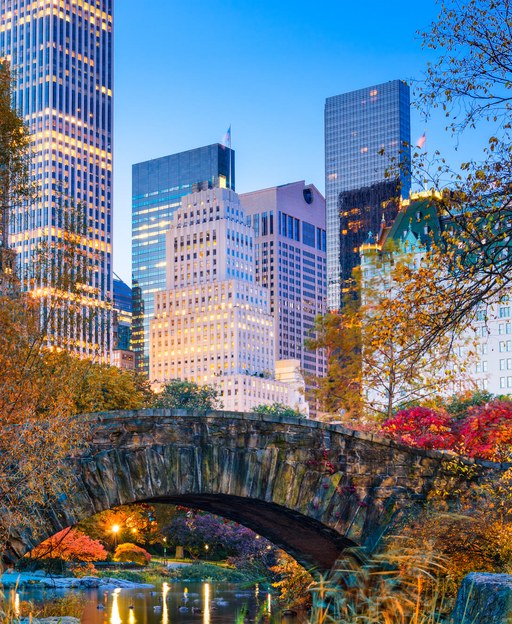
The story also reminds us how much New York has changed. A busy modern park covers a place that once held homes, gardens, and churches. Each time you walk the lawns, you cross ground that once held a community.
For descendants, the village adds a new branch to the family tree. For visitors, it adds depth to a famous park. For anyone who loves the city, it adds one more reason to look closely at the places you think you know.
Why the village disappeared
In 1853, the New York State Legislature set aside 775 acres for a great new park. The plan ran from 59th Street to 106th Street, between Fifth and Eighth Avenues. Seneca Village stood inside that boundary.
The city bought the land. It paid the owners. Residents had to leave by the end of 1857. Many families left few written traces after that. That makes it hard to follow them today.
The park opened in stages in the years that followed. Visitors strolled across lawns and bridges that sat on top of the old lots. The village faded from public memory for more than a century.
What archaeologists found in 2011
In 2011, archaeologists from Columbia University and the City University of New York dug at the site. They found small, everyday objects. These included an iron tea kettle, a roasting pan, and a stoneware beer bottle. They also found fragments of Chinese export porcelain and a small shoe.
Each item tells a quiet story. A kettle means someone made tea by a fire. A small shoe means a child grew up here. These finds turn a name on a map into a place where real families lived.
How to trace your family to Seneca Village
Start with the basics. Our guide on how to trace your New York City ancestry explains census records, church registers, and city archives. Look for relatives in Manhattan in the 1830s, 1840s, and 1850s.
Then turn to the park itself. The Central Park Conservancy keeps a Seneca Village page with articles, videos, and tours. You can read it on the Conservancy website. Check it for current tour dates before you plan a trip.
Plan your heritage visit
The site lies inside the park, along its western edge between West 82nd and West 89th Streets. Walk in from the Central Park West side and head toward the Pinetum. The Conservancy page above lists the signs, tours, and resources on offer, so check it before you go.
Take your time. Bring a notebook. Stand quietly by the trees and picture the three churches, the gardens, and the front doors. Then walk back toward the city with a new sense of what lay under your feet.
Pair the visit with a second stop. The Conservancy offers other walks and resources about the park’s history, and the city’s archives hold maps and records from the 1850s. A family historian can spend a full day moving between the lawn, the library, and the web.
Bring the kids if you can. Ask them to imagine a neighborhood with three churches, small gardens, and neighbors who knew each name on the path. Children often grasp the loss of a place faster than adults do, and the questions they ask can lead you to new research.
Frequently Asked Questions
Where was Seneca Village in Manhattan?
Seneca Village stood from West 82nd Street to West 89th Street, east to Seventh Avenue. That is now the western side of Central Park, beside the Arthur Ross Pinetum.
When was Seneca Village founded?
The village began in 1825, when John and Elizabeth Whitehead sold 200 lots. Andrew Williams was the first buyer.
Who lived in Seneca Village?
About 225 people lived there in 1855. Roughly two-thirds were African American, one-third were Irish immigrants, and a few had German roots.
Can you visit Seneca Village today?
You can visit the site inside Central Park, where signs describe the village. The Central Park Conservancy lists tours and resources on its Seneca Village page.
Ready to explore the New York your ancestors knew? Subscribe to Love New York — free weekly stories, heritage guides, and hidden history. Join us →
