
You can trace a New York City ancestor in about six steps. Start with what your family knows. Then search the passenger lists, the census, the city’s vital records, and the old newspapers. Most of these sources are free. Many are online. This guide shows you where to look and in what order.
If you love New York’s hidden stories, you’ll love our free weekly newsletter. Subscribe to Love New York →
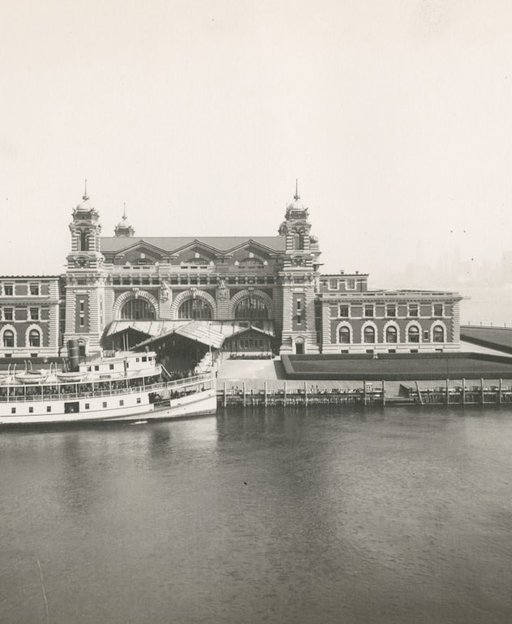
New York was the front door for millions of families. Ellis Island opened in 1892. It closed in 1954. In between, ships brought newcomers from Ireland, Italy, Poland, Russia, Greece, China and the Caribbean. Many stayed in the city. Many moved on. Either way, your family’s paper trail probably passes through New York.
The city also kept good records. The five boroughs joined in 1898. Before that, Manhattan and Brooklyn kept their own files. That split matters when you search. We will flag it as we go.
Step 1: Start With Your Own Family
Begin at home. Ask the oldest relatives what they remember. Write down names, dates, streets and jobs. Note which church or synagogue the family used. Ask about the old neighbourhood.
Look through shoeboxes and albums too. Birth papers, citizenship papers and funeral cards all help. Even a postcard can name a street. A photographer’s stamp on the back can name a block.
Write down the spelling of every name. Spelling changed often. A Kowalczyk became a Kovalchik. A Giovanni became a John. Keep every version. You will need them all.
One myth deserves a quick fix. Ellis Island officers did not change family names. Shipping clerks wrote the passenger lists at the port of departure. Families usually chose a new spelling later, to fit in.
Step 2: Search the Ellis Island and Castle Garden Passenger Records
Passenger lists tell you when your ancestor arrived. They also tell you a lot more. Later lists often name the home town. Many name a relative back home. Many name the person the traveller planned to join in America.
Two free databases cover most arrivals in New York:
- The Statue of Liberty–Ellis Island Foundation database. It covers the Ellis Island years, from 1892 onward. You need a free account to search.
- The Castle Garden database. Castle Garden was the immigration depot at the tip of Manhattan from 1855 to 1890. This free index covers earlier arrivals.
Search by surname first. Then try spelling variants. Try the first name alone with the year and the home town. If the name still fails, search for a sibling or a spouse. Families often travelled in stages.
You can also visit the island itself. Our Statue of Liberty and Ellis Island visitor guide explains the ferry and the museum.
Step 3: Use the Federal Census to Find the Address
The US census counted every household every ten years. The 1900, 1910, 1920, 1930, 1940 and 1950 censuses are now open to the public. The 1950 census opened in April 2022.
A census page gives you a street address. It lists everyone in the home. It gives ages, jobs, birthplaces and the year of arrival. It often shows lodgers too. In a crowded tenement, lodgers were common.
One gap needs a warning. A fire in 1921 destroyed most of the 1890 census. Use city directories and newspapers for that decade instead.
FamilySearch offers free census images and indexes. Large paid sites offer the same records. Many public libraries give free access to the paid sites. Ask at your local branch.
Once you have an address, you can look at the building itself. Our guide to New York in 1910 and tenement life shows what those rooms were like. It lists rents, wages and work hours.
Step 4: Order New York City Vital Records
Births, marriages and deaths each leave a record. These records give parents’ names, ages and addresses. They sometimes give a mother’s maiden name. That one detail can open a whole new branch of the tree.
The NYC Municipal Archives hold the older city records. The city’s Department of Records and Information Services runs a free online index. Some older records are also online as images. Check the site for the years it covers today.
Remember the 1898 line. Search Manhattan and Brooklyn separately for earlier events. The Bronx, Queens and Staten Island have their own histories too. A birth in Williamsburg in 1890 sits in a Brooklyn file, not a Manhattan one.
The Municipal Archives also hold the 1940s tax photographs. Every building in the city has a photo. You can see the house your family knew, or one very close to it. Few records feel as personal as that one.
Step 5: Look for Citizenship and Court Records
Many immigrants became US citizens. Their papers give a birth date, a home town and a ship’s name. The National Archives at New York City hold many local citizenship files. Many are now searchable online through FamilySearch and other sites.
Wills offer another route. The Surrogate’s Court in each county holds probate files. A will names heirs, and heirs name each other. Church and synagogue records add baptisms, weddings and burials. Many parishes still keep their own books. A polite letter to the parish office often brings an answer.
Step 6: Read What Your Ancestors Read
Old newspapers bring a name to life. You may find a wedding notice, a shop advertisement or a court case. You may even find a small fire in the family’s building.
- Chronicling America. The Library of Congress runs this free archive of old US papers.
- Fultonhistory.com. This free site holds millions of New York State newspaper pages.
- The Brooklyn Newsstand. The Brooklyn Public Library offers the Brooklyn Daily Eagle online. The Brooklyn Collection at the Central Library helps with local questions.
- Foreign-language papers. Italian, Yiddish, German, Polish and Chinese papers all served the city. They often name families that English papers ignored.
City directories help too. They list names, jobs and addresses year by year. If a name drops out of the directory, the family may have moved or died. Both clues matter.
Where to Do Your Research in Person
Some answers sit in the archives of the city itself. These are the main stops:
- New York Public Library. The main branch on Fifth Avenue at 42nd Street has a genealogy division. It is the Milstein Division. Entry is free. Librarians there help beginners.
- Centre for Jewish History. The centre sits at 15 West 16th Street. It houses the YIVO Institute for Jewish Research. YIVO holds records for Eastern European Jewish families.
- NYC Municipal Archives. This is the home of the city’s vital records and the tax photographs.
- Brooklyn Public Library, Central Library. The Brooklyn Collection holds maps, photos and local papers.
- Tenement Museum. The museum at 103 Orchard Street rebuilds the homes of real immigrant families. It also lists research tips for visitors.
Want more stories like this? Our weekly newsletter goes deeper into New York’s heritage every week. It’s free. Subscribe here →
Find the Neighbourhood Your Family Called Home
Once you have an address, the story changes. You no longer search for a name. You search for a place. Each immigrant group clustered in its own streets. The street often tells you where to look next.
- Irish families often began near the docks. Read about Five Points and the first Irish New York.
- Jewish families from Eastern Europe filled the tenements east of the Bowery. See the Lower East Side Jewish story.
- Italian families gathered around Mulberry Street. See Little Italy in Manhattan.
- Chinese families built a community near Mott Street. See Chinatown, Manhattan.
- Greek families settled across the river in Queens. See Astoria, Queens.
- Black families arrived from the South in the Great Migration. See Harlem.
Add DNA to the Paper Trail
A DNA test cannot replace records. It can confirm them. It can also link you to cousins you never knew. Those cousins may hold the photo or the letter you need.
Treat results as clues. Match lists make sense only with a family tree. Share your tree with close matches. Ask them about the New York branch of their line.
Plan Your Heritage Visit
When the research is done, go and stand there. Walk the block from the census page. Find the church where the wedding took place. Take the ferry to Ellis Island. Bring a printed copy of the manifest. Visitors tell us this moment stays with them.
Pick a day outside peak summer. Wear good shoes. Photograph the street signs and the building numbers. Write down what you see, while you still feel it.
Frequently Asked Questions
What is the best way to trace New York City ancestry?
Start with family stories and home papers. Then search the Ellis Island and Castle Garden databases. Next try the census. Last, check the city’s vital records.
Are Ellis Island passenger records free to search?
Yes. The Statue of Liberty–Ellis Island Foundation offers a free database with a free account. Castle Garden offers a free index for arrivals from 1820 to 1892.
Where can I find NYC birth, marriage and death records?
The NYC Municipal Archives hold older city records. The city’s Department of Records and Information Services runs a free online index for many years.
Which census years can I search today?
You can search the 1900 to 1950 censuses. The 1950 census opened in April 2022. A fire destroyed most of the 1890 census.
Where can I visit in person to research my family?
Visit the New York Public Library, the Municipal Archives, the Centre for Jewish History or the Brooklyn Collection. The Tenement Museum on Orchard Street shows how families lived.
Ready to explore the New York your ancestors knew? Subscribe to Love New York — free weekly stories, heritage guides, and hidden history. Join us →
