
In 1968, a historian and an artist climbed into a small plane and flew low over Brooklyn. From the air, they spotted something unusual — four wooden houses sitting at an angle that made no sense on the modern grid. They landed, walked over, and made one of the most remarkable discoveries in New York City history.
Those houses were what remained of Weeksville — a thriving, self-governing community of free Black New Yorkers that had flourished in the 1830s, been swallowed by the expanding city, and vanished from memory for nearly a century. What they had stumbled upon would eventually become a National Historic Landmark.
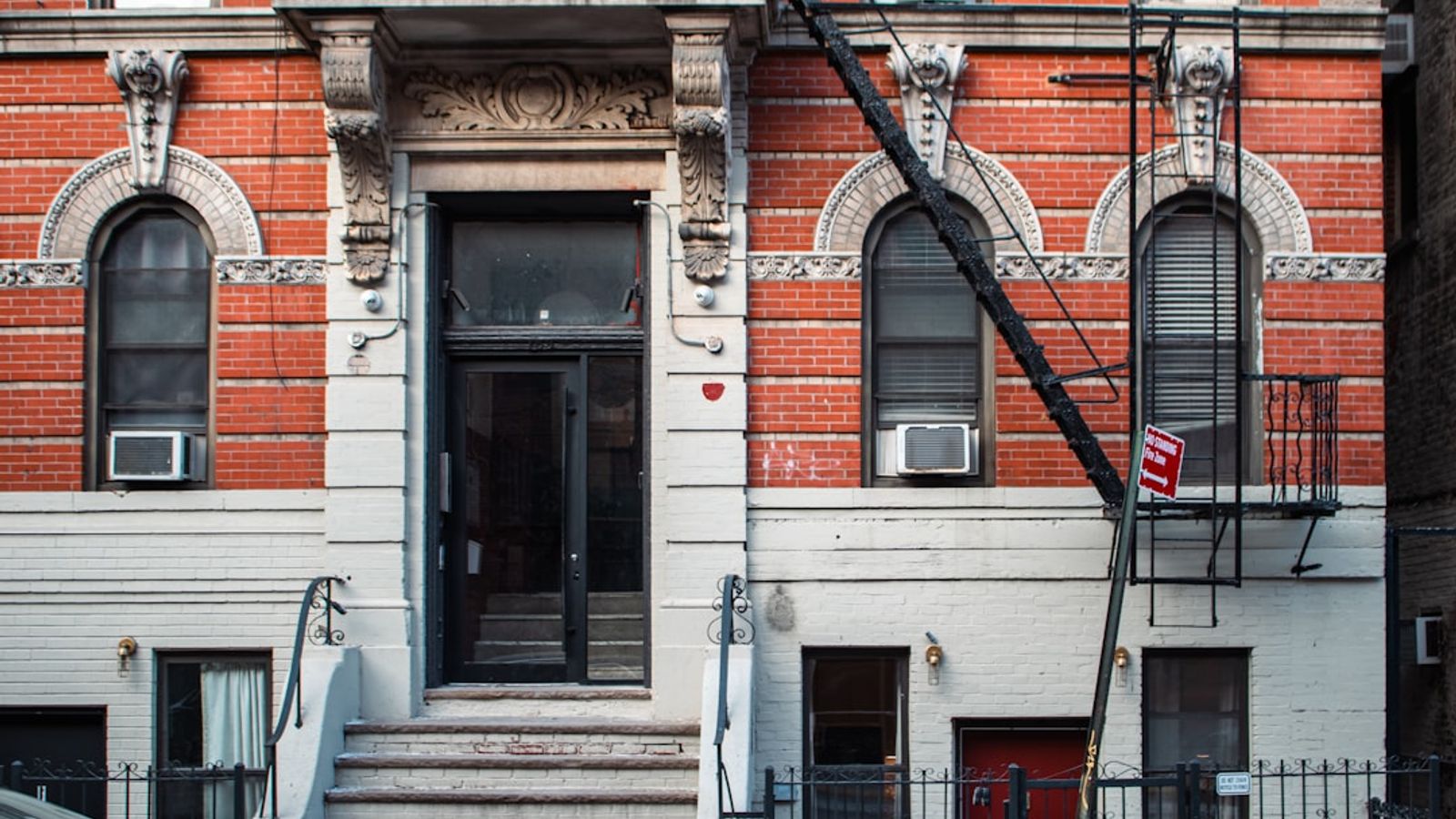
A Community Built from Nothing
Weeksville began in 1838, when a free Black stevedore named James Weeks purchased a plot of land in what is now Crown Heights, Brooklyn. At that time, free Black men in New York State who owned property worth $250 or more could vote — and Weeks knew it. He bought land deliberately, and others followed.
Within a decade, a community had taken shape along Hunterfly Road, a long-forgotten country lane that predated Brooklyn’s formal street grid. Families built houses. A church went up — Bethel Tabernacle AME. A school followed. Then a home for elderly residents, and an orphan asylum.
Weeksville wasn’t a makeshift settlement. It was an organized, property-owning, institution-building community. Residents voted, owned land, educated their children, and built a newspaper — the Freedman’s Torchlight, one of the first Black-owned newspapers in Brooklyn.
Life in Weeksville at Its Peak
By the middle of the 19th century, Weeksville had several hundred residents — a figure that may seem modest until you consider what it represented. These were self-sufficient people who had built everything around them from scratch, on land they owned, in a city that offered them few protections.
The community’s institutions covered the arc of a life: a school for the children, a church for worship and gathering, a home for the elderly, and an orphanage for those who had no family. Weeksville took care of its own in ways the city at large did not.
Its residents included teachers, doctors, and business owners. The Zion Home for Colored Aged was among the first institutions of its kind in the country. Weeksville was, by any reasonable measure, a success story — quiet, industrious, and largely invisible to the white New York around it.
The Year the Community Became a Refuge
In July 1863, the Draft Riots tore through Manhattan. For four days, mobs attacked Black New Yorkers across the city. Hundreds of people fled Brooklyn, crossed to Manhattan, or simply hid. Many made their way to Weeksville.
The community sheltered its neighbors. Records suggest that Brooklyn’s Black population concentrated in Weeksville during the worst of the violence — the community’s cohesion and resources made it a safe harbor when the city outside had turned hostile.
It was a defining moment, and it demonstrated something that Weeksville’s founders had built into the community from the beginning: the importance of having ground beneath your feet that was truly yours.
Enjoying this? Join New York lovers getting stories like this every week. Subscribe free →
How Weeksville Disappeared
In the 1870s and 1880s, Brooklyn expanded rapidly. The city laid a formal street grid over the borough’s older roads, including Hunterfly Road. New streets were cut through. New buildings went up. The old community lanes were absorbed and overwritten.
Weeksville’s residents dispersed into the broader Brooklyn neighborhood of Bedford-Stuyvesant. The community didn’t vanish because it failed — it vanished because the city grew around it, over it, and through it. Within a generation, the name had faded from living memory.
Four wooden houses along what had been Hunterfly Road survived — not because anyone chose to preserve them, but because they simply sat at the wrong angle to be cleared away efficiently. The grid moved on, and the houses stayed.
The Discovery That Changed Everything
In 1968, a city planner named James Hurley and an artist and aviator named James Weeks II — no relation to the founder — flew over Brooklyn looking for evidence of old road patterns. From the plane, they spotted the four Hunterfly Road houses sitting at an angle inconsistent with the surrounding grid.
They landed. They walked the site. They began to ask questions. What followed was years of research, excavation, and oral history collection. Elderly Brooklyn residents remembered stories their grandparents had told them. Artifacts came up from the ground. Documents surfaced.
Weeksville hadn’t just been rediscovered — it had been waiting. The four houses, now known as the Hunterfly Road Houses, were designated a New York City Landmark in 1970, just two years after that flight over Brooklyn.
Visiting the Weeksville Heritage Center Today
The Weeksville Heritage Center stands at 1698 Bergen Street in Crown Heights, Brooklyn. The four Hunterfly Road Houses have been carefully restored; you can walk through them and see how the community’s residents lived in the 1860s, 1880s, and early 1900s.
A modern cultural center alongside the historic houses hosts exhibitions, community events, and educational programs. The center takes the history seriously without making it feel like a museum in the dusty sense — it’s alive, engaged with the neighborhood, and connected to contemporary Brooklyn in ways that make the past feel immediate.
Most visitors to Brooklyn’s historic neighborhoods walk through Bed-Stuy or Crown Heights without knowing that the land beneath their feet has this specific story. Weeksville gives the neighborhood its full context — and makes Brooklyn feel even more remarkable than it already does.
Frequently Asked Questions
What is the Weeksville Heritage Center in Brooklyn?
The Weeksville Heritage Center is a historic site and cultural institution at 1698 Bergen Street in Crown Heights, Brooklyn. It preserves the four surviving Hunterfly Road Houses — remnants of Weeksville, a thriving community of free Black New Yorkers founded in 1838. The center offers tours of the restored houses, exhibitions on Brooklyn’s African American history, and community programming. It’s a National Historic Landmark.
How do I get to the Weeksville Heritage Center?
Take the A or C subway to Ralph Avenue, or the 3 train to Kingston Avenue. From there it’s a short walk to Bergen Street. The Heritage Center is open Wednesday through Saturday; check their website for current hours and tour times before visiting, as hours can vary by season and event schedule.
Why is Weeksville historically significant?
Weeksville is one of the best-documented free Black communities in pre-Civil War America. Its residents built their own institutions — church, school, elderly home, orphan asylum, and newspaper — on land they owned, before and during the Civil War. The community sheltered Black New Yorkers during the 1863 Draft Riots. Its rediscovery in 1968 fundamentally changed how historians understood 19th-century Black urban life in the North.
What is the best time to visit the Weeksville Heritage Center?
Spring and fall are ideal, when the historic Hunterfly Road Houses can be enjoyed with the gardens in full color. The center holds special events and programming throughout the year. Weeksville pairs well with a broader Crown Heights and Bed-Stuy walking day — the neighborhoods themselves are full of stunning brownstone architecture and Brooklyn food culture worth exploring.
You Might Also Enjoy
- The Story Behind Brooklyn’s Beloved Brownstones
- The Garden in Brooklyn Where New York Disappears the Moment You Walk In
- Free Things to Do in NYC: The Complete Guide
Plan Your New York Trip
The Weeksville Heritage Center is a 30-minute subway ride from Midtown Manhattan. Combine it with a walk through Crown Heights and Bed-Stuy, a stop at the Brooklyn Botanic Garden, and lunch at one of the neighborhood’s excellent Caribbean or Caribbean-American restaurants. Use our 3-day New York itinerary to build a fuller trip around Brooklyn’s extraordinary neighborhoods.
Join 1,100+ New York Lovers
Every weekday morning, get New York’s hidden gems, neighbourhood stories, food origins, and city secrets — straight to your inbox.
Subscribe free — enter your email:
📲 Know someone who’d love this? Share on WhatsApp →
Love more? Join 65,000 Ireland lovers → · Join 43,000 Scotland lovers →
Free forever · Unsubscribe anytime

Subscribe Free