
A Federal Hall and African Burial Ground visit takes you through two of the oldest chapters of New York City’s story, and both sit within a few minutes’ walk of each other in Lower Manhattan. At Federal Hall on Wall Street, George Washington took the oath of office as the first president of the United States. A short walk north, the African Burial Ground National Monument honors thousands of free and enslaved Africans who built colonial New York. Plan about half a day for both, and you leave with a clearer picture of how the city began.
Why Federal Hall and the African Burial Ground Belong on One Visit
Most first-time visitors head straight for the big-name sights. These two sites reward travelers who want the story underneath the skyline. Both are run by the National Park Service. Both sit in the Financial District and Civic Center area. And both show different sides of the same early city: its politics and its people.
Federal Hall tells the story of government. The African Burial Ground tells the story of the workers whose labor shaped the streets around it. Seeing them back to back gives you the fuller picture.
Federal Hall: Where the Nation’s Government Began
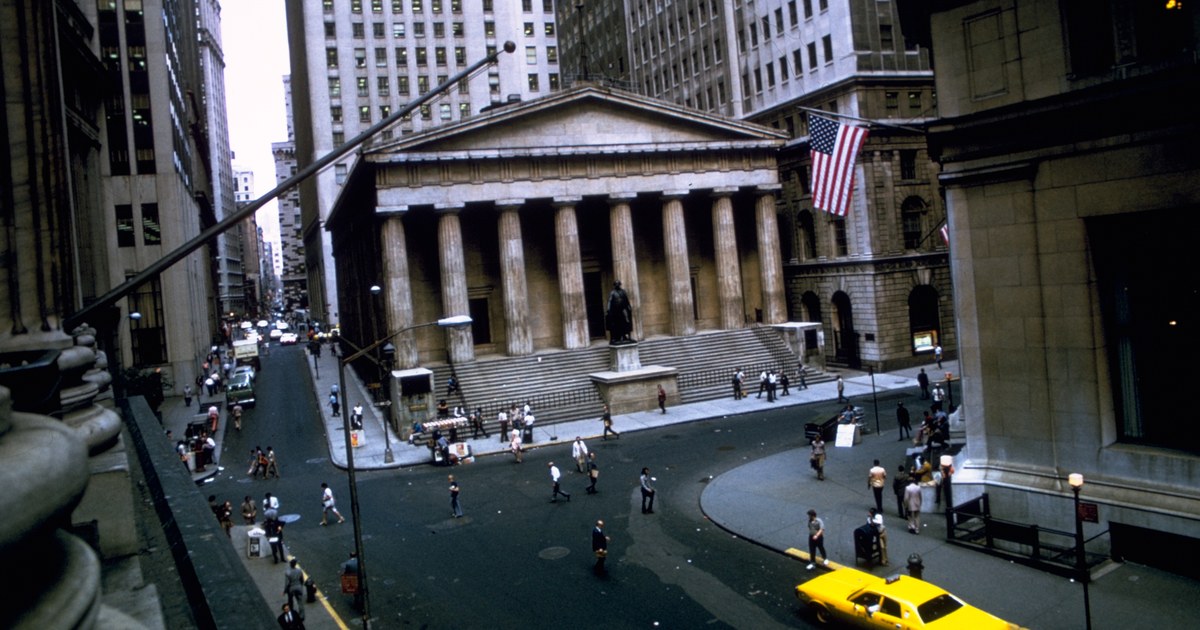
Federal Hall stands at 26 Wall Street, in the heart of the Financial District. According to the National Park Service, Washington took his oath on April 30, 1789, on the second-floor balcony of the original Federal Hall. That building was the second structure on this site. The site served as the nation’s first capitol, and it hosted the first Congress, the first Supreme Court and the earliest offices of the executive branch.
Today a bronze statue of Washington stands on the front steps. The Greek Revival columns behind it make one of the most photographed corners of Wall Street. Even when the interior is closed, you can still admire the architecture and take your picture with the statue. Many visitors also eat lunch on the front steps.
What to See Inside
The exhibit galleries cover Washington, the Constitution and the early federal government. The park offers self-guided exhibits that take about 30 minutes, and the NPS says a ranger-guided tour runs one to two hours. Junior Ranger activities are available for kids. The interior is not always open, so check the official hours and fees page before you go.
Wall Street Right Outside
The New York Stock Exchange is a few steps away, and Trinity Church stands at the foot of Wall Street. The NPS also notes that the Statue of Liberty and Ellis Island ferry and the 9/11 Memorial are a short walk away. If you plan to cross the harbor afterward, our guide to the Statue of Liberty and Ellis Island explains how the trip works.
Like stories from the city’s older corners? Get Love New York free each week →
The African Burial Ground National Monument
Walk north to Duane Street and you reach a very different kind of memorial. The African Burial Ground National Monument protects what the NPS calls the oldest and largest known excavated burial site in North America for both free and enslaved Africans.
Get the Free PDF Guide
Enter your email and we’ll send it straight over.
How the Site Was Rediscovered
The story starts in 1991. Workers were preparing to build a 34-story federal office tower at 290 Broadway. Archaeologists had surveyed the area first, and they found human remains about 30 feet below street level. The NPS says the dig uncovered a six-acre burial ground with upwards of 15,000 intact skeletal remains of enslaved and free Africans. The ground dates from the mid-1630s to 1795, according to the park history page.
The find changed how historians understand enslavement in colonial New York. It showed how much of the early city rested on African labor. After long discussions between federal agencies, the descendant community, historians and city leaders, the remains returned to the original site of discovery. The site became a National Historic Landmark in 1993.
What You Will See
There are two parts to the visit. An outdoor memorial includes a circle that represents the African diaspora. An indoor visitor center and museum holds exhibits that explain the history and the archaeology. The NPS lists the memorial’s opening days and hours on its plan-your-visit page, and it also offers ranger-led tours that you reserve through recreation.gov. Because the schedule can change, check the official visitor page the day before you travel.
Treat this as a place of remembrance. Keep your voice low, take your time, and give yourself a quiet moment at the memorial before you move on.
A Simple Half-Day Plan
This route keeps the walking short and the story in order.
- Start at Federal Hall. Photograph the Washington statue, then tour the galleries if the building is open.
- Walk past Wall Street landmarks. Look at the Stock Exchange front and Trinity Church before you leave the block.
- Continue to Duane Street. Spend time at the outdoor memorial and the visitor center.
- Finish with a meal nearby. Lower Manhattan has plenty of places to eat, so choose one that fits your day.
If the weather is good, you can extend the day with a walk across the Brooklyn Bridge. If you want more on how immigrants reached the city, read our story on Castle Garden and the immigrants who arrived before Ellis Island.
Getting There and Saving Money
Lower Manhattan has many subway stops within walking distance of Wall Street and Civic Center. Our guide to riding the NYC subway explains how to pay and how to read the map. Check the official pages for each site for current directions.
The NPS lists Federal Hall admission as free. For more ways to see the city without a ticket, browse our list of free things to do in New York City. Because fees and hours change, always confirm them on the NPS pages linked above.
Tips for First-Time Visitors
Weekday mornings tend to feel calmer around Wall Street. The area gets busy at lunchtime, so plan your photos before noon. Wear comfortable shoes, because you will stand and walk more than you expect. Bring a phone or camera, and check each site’s photo rules at the door.
Federal Hall’s galleries focus on early American government, so older children may enjoy them most. The Junior Ranger program gives younger kids a task to complete.
Frequently Asked Questions
Is Federal Hall free to visit?
The National Park Service lists admission to Federal Hall National Memorial as free. Check the official page for the latest hours, because the interior is not always open.
How long does a Federal Hall and African Burial Ground visit take?
Federal Hall’s self-guided exhibits take about 30 minutes, and ranger tours run one to two hours. Allow half a day if you want to see both sites at an unhurried pace.
Where is the African Burial Ground in New York City?
The memorial sits on Duane Street in Lower Manhattan, just north of Wall Street. The park’s mailing address is care of Federal Hall at 26 Wall Street.
Why is the African Burial Ground important?
The NPS describes it as the oldest and largest known excavated burial site in North America for free and enslaved Africans. Its rediscovery in 1991 changed how historians understand colonial New York.
Join 1,000+ New York Lovers
Every week, get New York’s lesser-known corners, neighborhood stories and local secrets, straight to your inbox.
Subscribe free — enter your email:
Free forever · One email per week · Unsubscribe anytime · Love New York on Substack
