
In 1969, a stretch of Brooklyn waterfront sat under two bridges, surrounded by empty warehouses and cobblestone streets that nobody wanted. Real estate was cheap. Trains thundered overhead. The neighborhood didn’t even have a name.
What happened next is one of the great stories of New York reinvention.
A Name Designed to Keep People Away
DUMBO stands for Down Under the Manhattan Bridge Overpass. The acronym wasn’t invented by a marketing team — it was coined in the 1970s by the neighborhood’s earliest residents, a loose community of artists who had moved into cheap industrial lofts to make art in peace.
Their logic was simple. If the neighborhood had an ugly enough name, developers might leave it alone. Rent might stay low. The light-filled warehouses might stay affordable.
It worked — for a little while.
The Artists Who Moved In Anyway
Through the 1970s and 1980s, word spread quietly. Artists and musicians arrived from all over the city, drawn by 14-foot ceilings, enormous windows, and practically nothing in rent. The warehouses along Water Street and Front Street became studios. Then galleries. Then something harder to define — a community with its own energy and its own rules.
By the late 1990s, DUMBO had its own art scene, its own rhythm, and its own identity. The name that was supposed to sound ugly had become a badge of belonging.
Then the rest of New York noticed — and everything changed.
The Most Photographed Corner in New York
Stand at the corner of Washington Street and Front Street on any clear morning and you’ll understand why people travel from across the world just to stand here for a moment.
Through the arch of the Manhattan Bridge, the Brooklyn Bridge appears perfectly framed — a bridge inside a bridge. The cobblestones catch the early light. The cables trace clean lines across the sky above you.
It is one of the most photographed spots not just in New York, but anywhere on the planet. And it was never designed. It’s a happy accident of geography — two bridges, one corner, one view that stops people mid-stride every single day of the year.
Enjoying this? Join New York lovers getting stories like this every week. Subscribe free →
Brooklyn Bridge Park and the Waterfront
For most of DUMBO’s early history, the waterfront was an afterthought. Old piers rotted at the river’s edge. Warehouses blocked the views. The East River felt more like a barrier than an asset.
Brooklyn Bridge Park changed that forever. When it opened in 2010, the park transformed 85 acres of former industrial waterfront into some of the most beautiful public green space in the city. Suddenly, DUMBO had a backyard that looked directly at Lower Manhattan.
At the water’s edge sits Jane’s Carousel — a 1922 merry-go-round lovingly restored and enclosed in a glass pavilion. On a sunny afternoon, with the skyline glittering across the water and the carousel spinning inside its glass box, it feels like something out of a dream.
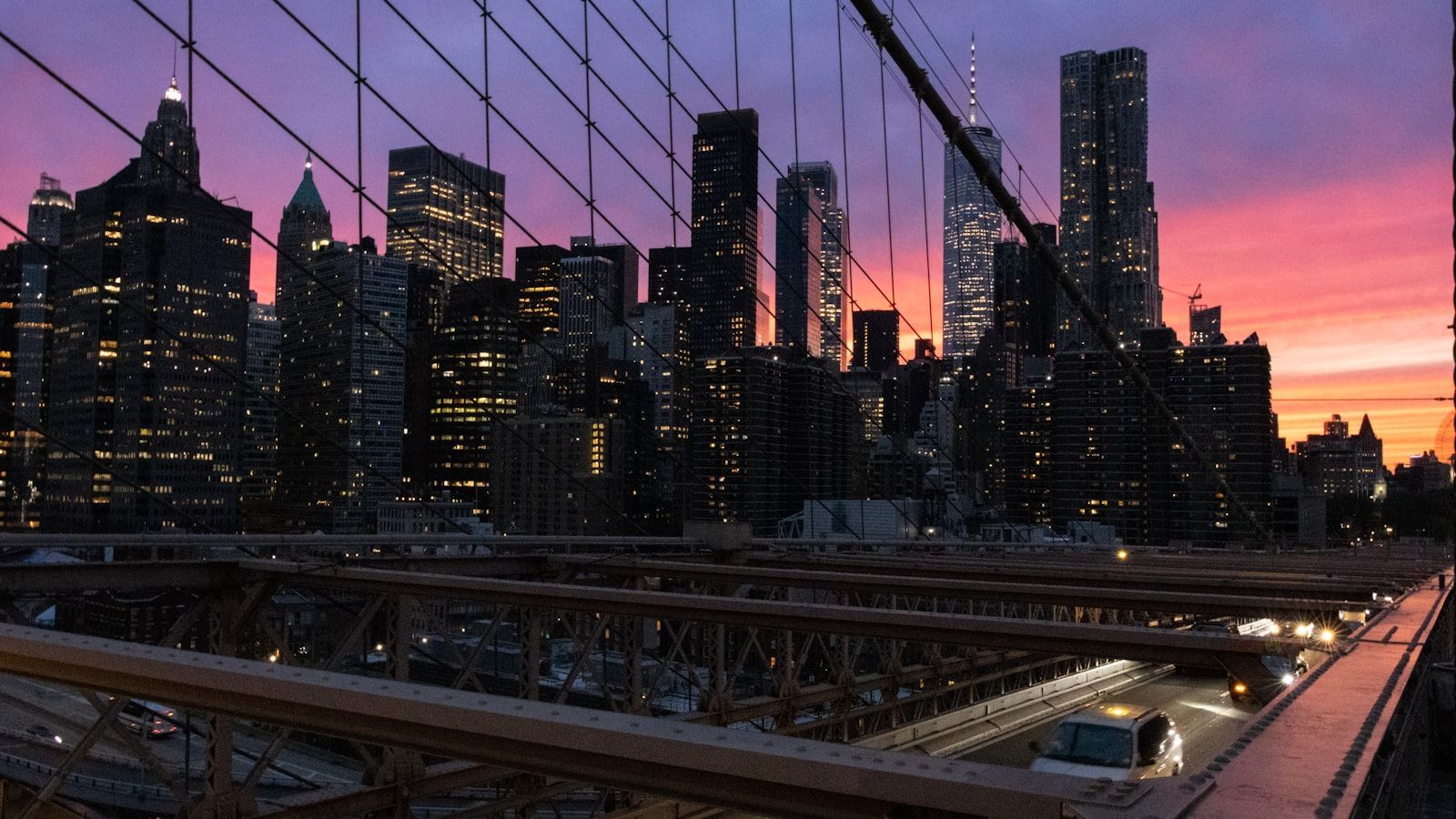
The Brooklyn Bridge towers over the park’s northern edge, still carrying thousands of pedestrians a day across the East River — many of them arriving in DUMBO on the other side.
DUMBO Today: What to See, Eat, and Experience
Today, DUMBO is one of Brooklyn’s most sought-after addresses. The artists who made it famous have mostly moved on — the rents eventually proved them wrong. But the bones of what they built remain.
The cobblestone streets are still there. So are the converted warehouse buildings, now home to tech companies, boutique hotels, and the galleries and studios that have held on. Walking through on a weekday morning, you still feel the particular quality of light that drew people here in the first place.
DUMBO’s food scene has grown into something exceptional. Jacques Torres, the city’s most celebrated chocolatier, runs his flagship workshop here — the smell of chocolate drifts onto the street on cool mornings. Almondine Bakery has been serving French pastries from a tiny shop for over two decades. Juliana’s and Grimaldi’s, two of Brooklyn’s most beloved pizza spots, sit within two blocks of each other and have been rivals for as long as anyone can remember.
On weekend mornings, the Brooklyn Flea sets up under the Manhattan Bridge — a sprawling outdoor market of vintage dealers, food vendors, and makers from across the city. Brooklyn’s wider history of reinvention runs deep, as anyone who’s read about how Williamsburg accidentally changed the way cities are built will recognize.
Come early. The neighborhood feels different before the crowds arrive — quieter, more itself, with the bridges catching the morning light and the cobblestones still damp from the night before.
What does DUMBO stand for in Brooklyn?
DUMBO stands for Down Under the Manhattan Bridge Overpass. The name was coined in the 1970s by artists living in the neighborhood’s cheap industrial warehouses. They chose it deliberately, hoping an unappealing acronym would discourage developers and keep rents low. It worked for a few decades — then DUMBO became one of the most desirable and expensive addresses in New York City.
What is the best time to visit DUMBO Brooklyn?
Early weekday mornings offer the best experience — the Washington Street bridge view is less crowded, the light on the cobblestones is beautiful, and the neighborhood feels its most authentic. Weekends are busier, especially around the Brooklyn Flea market on Saturdays and Sundays. Spring and fall bring the most comfortable walking weather for DUMBO and Brooklyn Bridge Park.
How do you get to DUMBO from Manhattan?
Take the F or A subway train to the York Street stop in DUMBO — about a 10-minute ride from Lower Manhattan. You can also walk across the Brooklyn Bridge from City Hall, arriving directly in DUMBO after a 20-25 minute walk — one of the great New York experiences. The NYC Ferry stops at Brooklyn Bridge Park right at DUMBO’s waterfront.
Is DUMBO worth visiting for a day trip?
Absolutely. DUMBO easily fills half a day — the Brooklyn Bridge Park waterfront, the iconic Washington Street view, the galleries and boutique shops, and some of Brooklyn’s best food are all within easy walking distance. Combine DUMBO with a walk across the Brooklyn Bridge for one of the most memorable days you can have in New York.
DUMBO started as a neighborhood with an ugly name and a determination to be left alone. It ended up becoming one of the most iconic addresses in one of the world’s most iconic cities. That’s New York in a nutshell — the places that fight hardest to stay hidden are always the ones most worth finding.
You Might Also Enjoy
- Why the First Person to Cross the Brooklyn Bridge Was Carrying a Rooster — the strange and wonderful history of the bridge that defines DUMBO’s skyline.
- The Woman Who Actually Built the Brooklyn Bridge — and Never Got the Credit — a remarkable story of the landmark visible from every corner of DUMBO.
- The Brooklyn Neighborhood That Accidentally Changed the Way Cities Look and Feel — more stories of Brooklyn reinvention.
Plan Your New York Trip
Ready to explore DUMBO and beyond? Our 5-day New York City itinerary covers the best the city has to offer, from Brooklyn’s cobblestone streets to Manhattan’s skyline — everything you need to plan an unforgettable visit.
Join 1,100+ New York Lovers
Every weekday morning, get New York’s hidden gems, neighbourhood stories, food origins, and city secrets — straight to your inbox.
Subscribe free — enter your email:
📲 Know someone who’d love this? Share on WhatsApp →
Love more? Join 65,000 Ireland lovers → · Join 43,000 Scotland lovers →
Free forever · Unsubscribe anytime

Subscribe Free